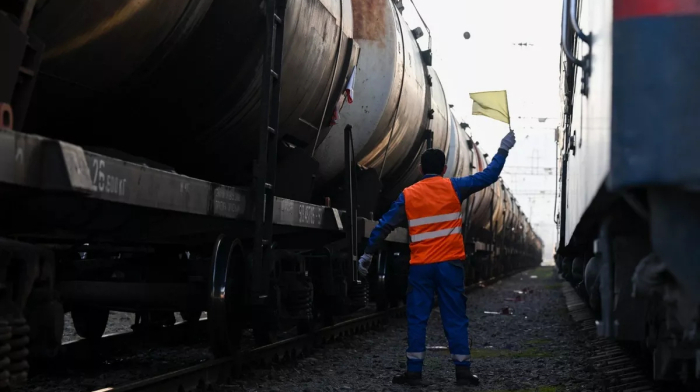
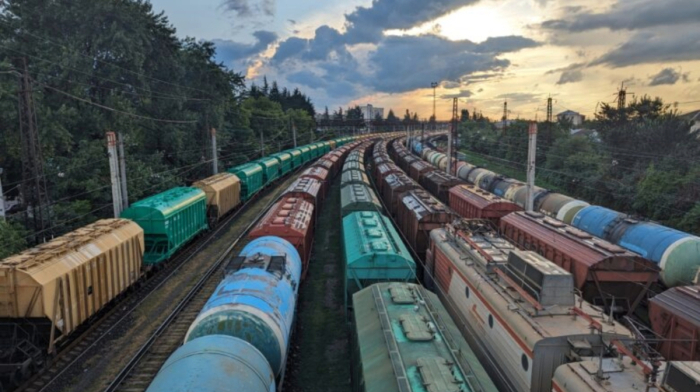
Azerbaijan sends 2,698 tons of fuel to Armenia by rail
Azerbaijan has dispatched a new rail shipment of petroleum products to Armenia, marking a continued resumption of trade following the lifting of long ...
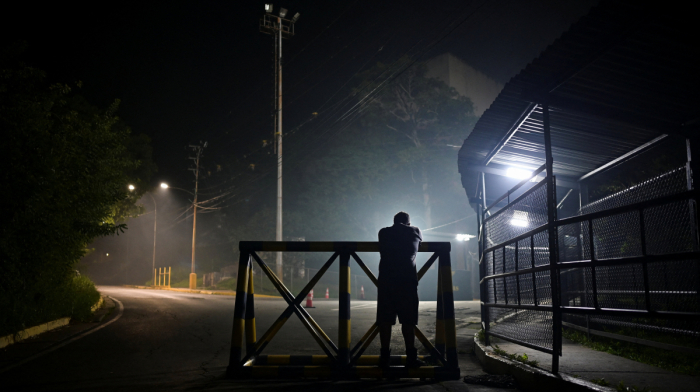
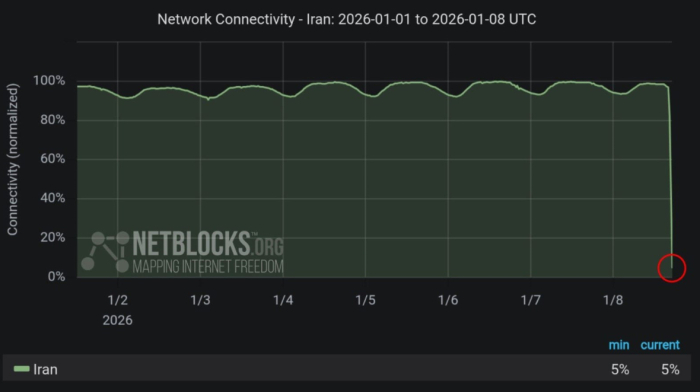
Iran is now facing a near‑total internet blackout as anti-government protests sweep the country. Major cities including Tehran have seen connectivity drop sharply, leaving millions of residents isolated from online communication.
NetBlocks, a digital rights monitor, reported widespread loss of access to online services on Thursday, with connectivity falling sharply across multiple providers at the height of demonstrations that have entered their second week.
By Friday (9 January), latest independent reports claim, Iran’s internet has been down for 12 hours, with connectivity dropping to around 1% of normal levels.
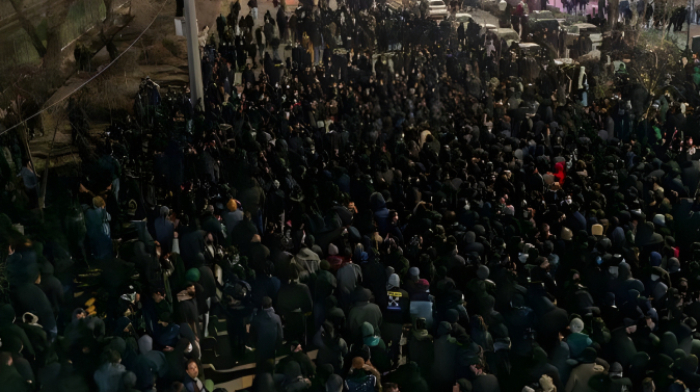
The shutdown comes amid an escalation in unrest, with demonstrators clashing with security forces and targeting symbols of the Islamic Republic. Authorities appear to be restricting internet access to limit coordination among protesters and control the flow of information.
Human rights observers warn that internet blackouts during periods of unrest can conceal violent crackdowns and prevent independent reporting. With online communication cut, it is difficult to confirm events on the ground, raising concerns about civilian safety.
No official statement has been issued by Iranian authorities regarding the scope or duration of the outage. Residents report that access to social media, messaging apps, and other online services has been severely restricted, intensifying fears about what may be happening amid the ongoing demonstrations.
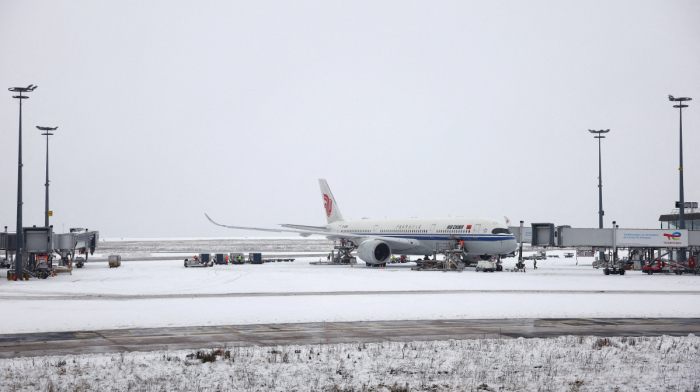
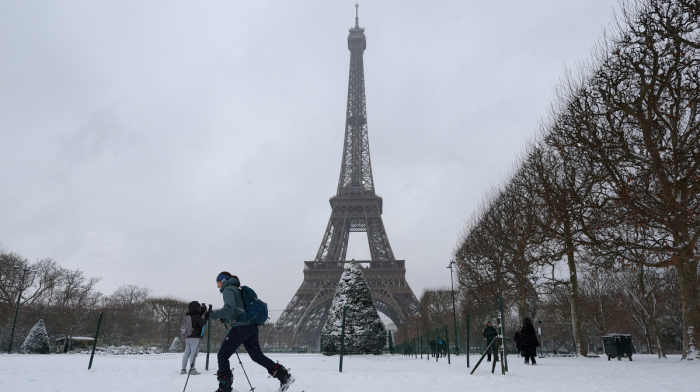
Snow and ice stalled travellers in northwest Europe on Wednesday, forcing around a thousand to spend the night in Amsterdam's Schiphol airport but delighting others who set out to explore a snow-blanketed Paris on sledges and skis.
U.S. President Donald Trump has warned that Iran could face a strong response from the United States if its authorities kill protesters amid ongoing unrest.
Snow and ice caused travel chaos in northwest Europe on Wednesday, while others were delighted by the snow-covered streets of Paris, venturing out on sledges and skis.
Iran is now facing a near‑total internet blackout as anti-government protests sweep the country. Major cities including Tehran have seen connectivity drop sharply, leaving millions of residents isolated from online communication.
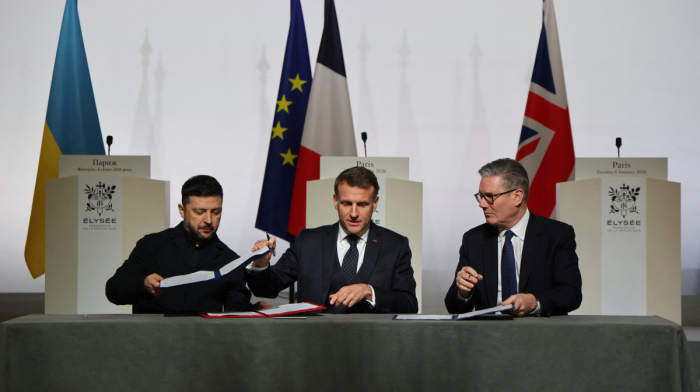
Hungary’s foreign minister on Wednesday criticised European plans to establish military hubs in Ukraine, saying the move risks pushing Europe closer to a direct confrontation with Russia.
Azerbaijan has dispatched a new rail shipment of petroleum products to Armenia, marking a continued resumption of trade following the lifting of long standing transit restrictions.
Georgia is set to impose a transit fee on the second shipment of petroleum products from Azerbaijan to Armenia, according to Armenian media quoting a statement from Karen Ayiryan, Director of Mega Trade on Thursday (8 January).
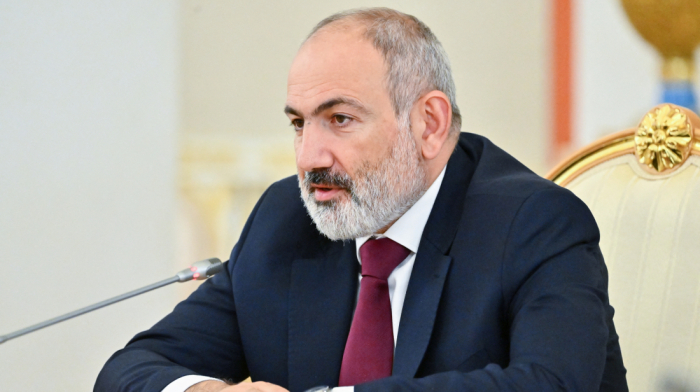
Overhauling Armenia's economic structure and strengthening state institutions is a main focus as the Armenian government adopts a 42-page Doctrine of Economic and Institutional Transformation on Thursday (8 January), Prime Minister Nikol Pashinyan announced.
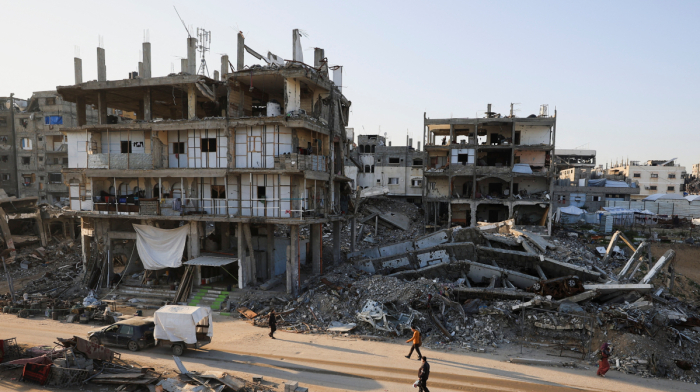
The Israel Defence Forces (IDF) and Shin Bet say they carried out targeted strikes on Hamas operatives and infrastructure in the Gaza Strip on Thursday (8 January) after detecting a failed rocket launch from the Gaza City area.
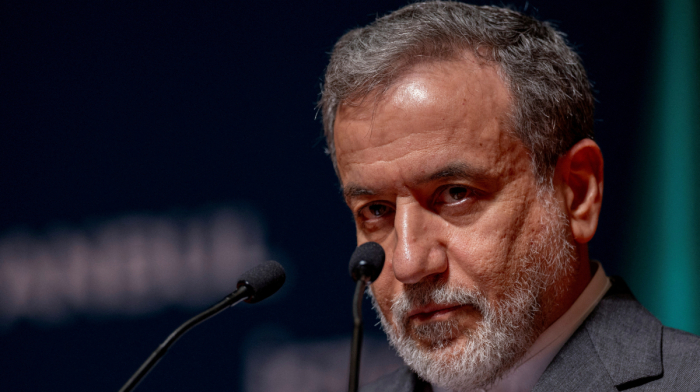
Iran does not seek war with Israel or the United States but is prepared to respond if attacked, Iranian Foreign Minister Abbas Araghchi said on Thursday (8 January ) as economic protests sweep the country and Tehran's crackdown reportedly intensifies.
You can download the AnewZ application from Play Store and the App Store.
What is your opinion on this topic?
Leave the first comment