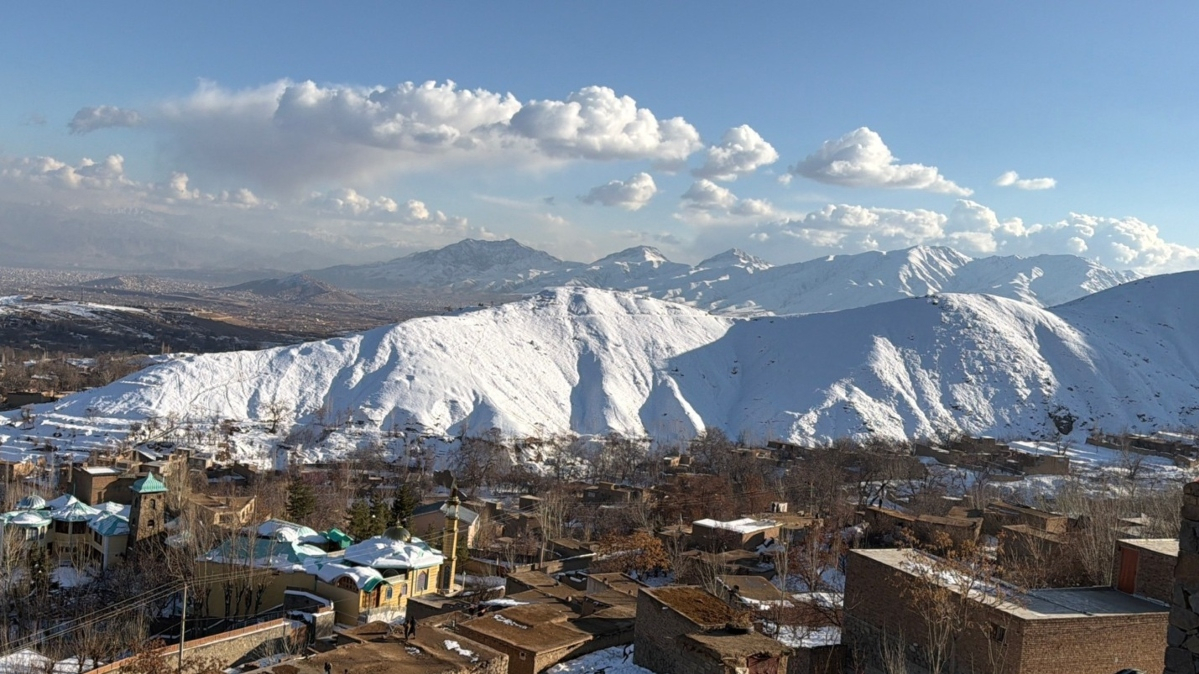
Afghanistan is entering winter with a high risk of continued dryness and unusually warm conditions, with mountain snowpack at its lowest level in at least 25 years, the Food and Agriculture Organization of the United Nations has warned.
Seasonal forecasts published by the FAO for December 2025 to February 2026 indicate a strong likelihood of below-average precipitation and above-average temperatures across most of Afghanistan, influenced by a weak La Niña signal.
The agency said early-season rainfall and snowfall deficits were unlikely to be fully offset during the winter months, raising concerns about water availability later in the year.
The FAO linked the outlook to a severe lack of snow in mountainous areas, citing analysis by the Group on Earth Observations Global Agricultural Monitoring Initiative, which found that the 2025–26 snow season had begun with the lowest snow-water-equivalent levels recorded in the past 25 years.
It said the shortfall represented a ‘critical hydrological deficit’ with major implications for spring irrigation, particularly for irrigated wheat-growing areas that depend on snowmelt-fed rivers.
The agency warned that the dry and warm start to winter was already affecting rural livelihoods.
FAO and partner assessments indicate that consecutive seasons of poor rainfall, above-average temperatures and low soil moisture have placed sustained pressure on agricultural systems.
As a result, millions of people are likely to face high levels of acute food insecurity between late 2025 and early 2026, classified as IPC Phase 3 or above.
Temperatures are expected to remain uneven, with daytime highs in some lowland areas forecast to be 2–4°C above average on many days, even as frost episodes continue at higher elevations.


















What is your opinion on this topic?
Leave the first comment