Israel–Lebanon ceasefire at risk as “incompatible” interpretations emerge
Lebanon and Israel have a “fundamentally incompatible” understanding of the ceasefire agreed on Thursday (16 April), Dr Nouran El-Bayaa...
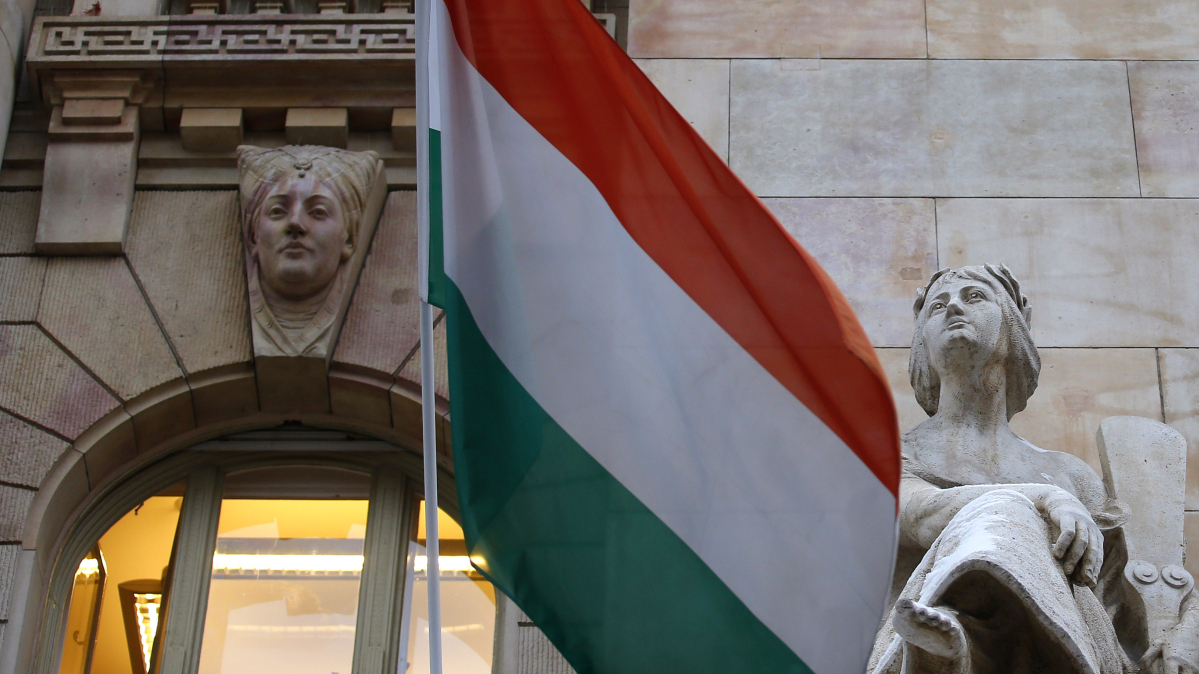
Hungary’s European Union affairs minister on Monday criticised an EU statement on Venezuela, calling it evidence of “the deep crisis” in the bloc’s foreign policy.
Janos Boka said the statement by EU foreign policy chief Kaja Kallas “clearly exposes the deep crisis of the EU’s common foreign policy” and described it as a “sign of weakness and a fundamental misunderstanding of the transformation of international relations.” He added that the EU “has no real message or strategy” for Venezuela and lacks tools or influence in the region.
Boka said Budapest is taking all necessary steps to protect Hungarian citizens in Venezuela, safeguard energy supplies, and monitor developments on the ground.
In a separate statement, Balazs Orban, political director to Prime Minister Viktor Orban, said the EU’s position “undermines the bloc’s international credibility” and criticised it for addressing a situation over which it has “neither meaningful influence nor real leverage.”
Prime Minister Viktor Orban welcomed the U.S. capture of Venezuelan President Nicolás Maduro and the intervention in the country, saying it could improve global energy markets. “Together with Venezuela, the U.S. will now be able to control an estimated 40-50% of the world’s oil reserves,” he said, calling the development “good news” for Hungary.
The EU statement, supported by 26 member states, had urged calm and restraint, called for respect of international law and human rights, and stressed the importance of a Venezuelan-led, peaceful transition. It said Nicolás Maduro lacks legitimacy as a democratically elected president and underlined the need for dialogue among all parties to reach a negotiated solution. The bloc also demanded the unconditional release of political prisoners and highlighted ongoing EU efforts to protect citizens in Venezuela.
U.S. President Donald Trump confirmed the military operation on Saturday, saying Maduro and his wife Cilia Flores were captured and pledged to assert American control over Venezuela if necessary. Maduro has denied the accusations, while officials in Caracas have called for the couple’s release.

The past 24 hours of the Russia-Ukraine war have seen a drastic escalation in both aerial bombardment and frontline losses.
Iran reopened the Strait of Hormuz to commercial shipping on Friday (17 April) for the first time since the U.S. and Israel killed Iran's ex-Supreme Leader in air strikes, triggering the Middle East conflict, at the end of February. A U.S. blockade on Iranian ports, however, remains in force.
Iran's Islamic Revolutionary Guards Corps (IRGC) said in a Saturday statement that the Strait of Hormuz has returned to its "previous state" under the control of its "armed forces," citing the ongoing U.S. blockade on Iranian ports.
Russia published addresses of manufacturers allegedly producing drones or components for Ukraine on Wednesday (15 April), warning European countries against plans to step up UAV supplies to Kyiv.
Netflix shares fell sharply on Friday after the streaming group issued a weaker-than-expected outlook and said chairman and co-founder Reed Hastings will step down from the board.
Bulgaria heads to the polls on Sunday (19 April) for its eighth election in five years, amid mounting public frustration over corruption scandals and repeated government collapses.
The Trump administration extended a sanctions exemption on some Russian oil as prices continue to skyrocket in the wake of the U.S.- Israeli war against Iran on Friday (17 April).
Australia and Japan signed contracts on Saturday (18 April) launching their landmark A$10 billion ($7 billion) deal to supply Australia with warships, Tokyo's most consequential military sale since ending a military export ban in 2014.
Leaders from across Europe and beyond gathered in Paris on Friday for a summit aimed at managing the global impact of the Middle East conflict.
European leaders have set out plans for a coordinated defensive mission to restore freedom of navigation in the Strait of Hormuz, once security conditions allow, following talks involving more than 40 countries.
You can download the AnewZ application from Play Store and the App Store.
What is your opinion on this topic?
Leave the first comment