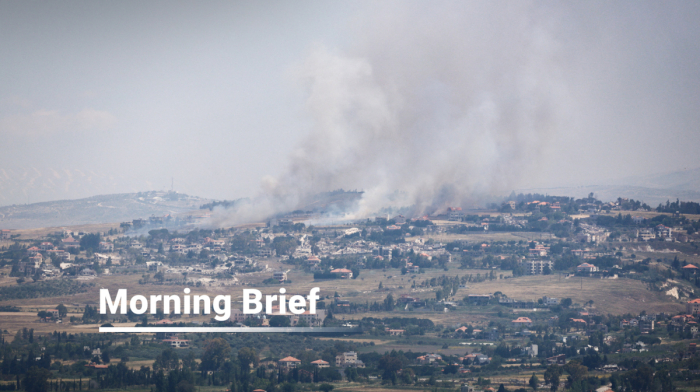
live Iran-U.S.-Israel tensions rise after strikes and threats of retaliation- 31 March
The Iran-U.S.-Israel conflict is intensifying, with fresh strikes near Tehran, European calls for restraint, and Iran threatening to target U.S. fi...
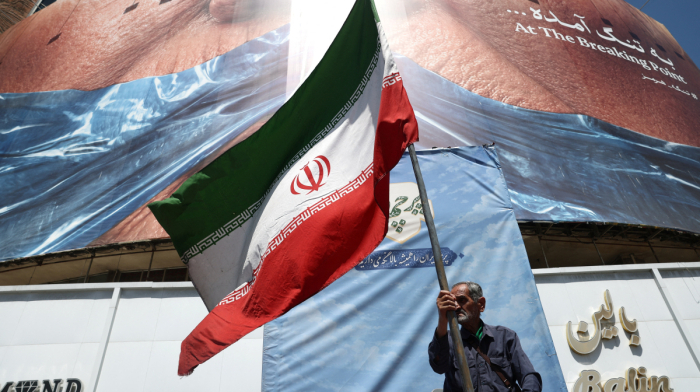
At least 16 people have been killed during a week of unrest in Iran, rights groups say, as demonstrations over soaring prices spread nationwide and trigger violent clashes with security forces.
Deaths and arrests have been reported throughout the week by state media and rights groups, though figures vary and cannot be independently verified. The latest unrest marks the biggest protests to hit the country in three years and comes amid deep economic strain and mounting international pressure.
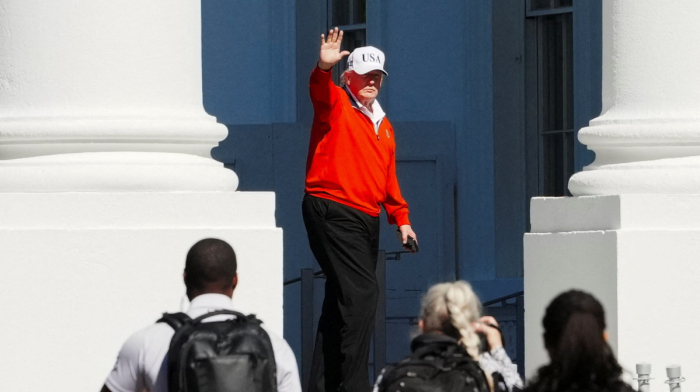
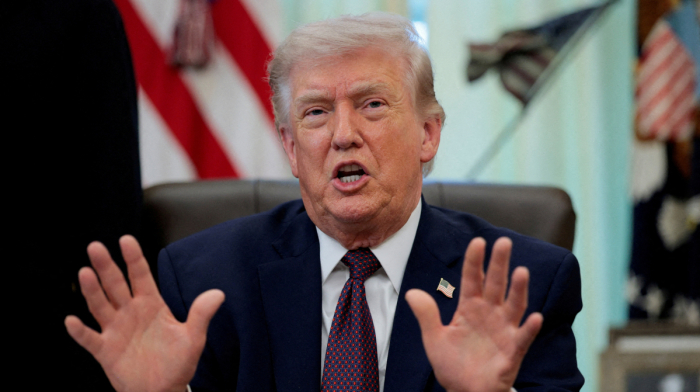
Reuters reported that U.S. President Donald Trump warned Washington could come to protesters’ aid if violence escalated, prompting senior Iranian officials to threaten retaliation against U.S. forces in the region. Supreme Leader Ayatollah Ali Khamenei said Iran would not yield to its enemies, while adding that authorities were open to dialogue but that those he described as rioters should be confronted.
Rights groups offered differing tallies. The Kurdish group Hengaw said at least 17 people had been killed, while the activist network HRANA put the death toll at 16 and said 582 people had been arrested. Police chief Ahmad-Reza Radan said security forces had targeted protest organisers, including online activists, with dozens detained in Tehran over what authorities described as false posts aimed at stirring unrest. The state-affiliated Tasnim said administrators of online accounts urging protests had been arrested.
The most intense clashes have been reported in western Iran, with further confrontations in Tehran and the southern Baluchistan province. In Qom, a conservative clerical centre, local officials said two people were killed, including one who died when an explosive device he had made detonated prematurely.
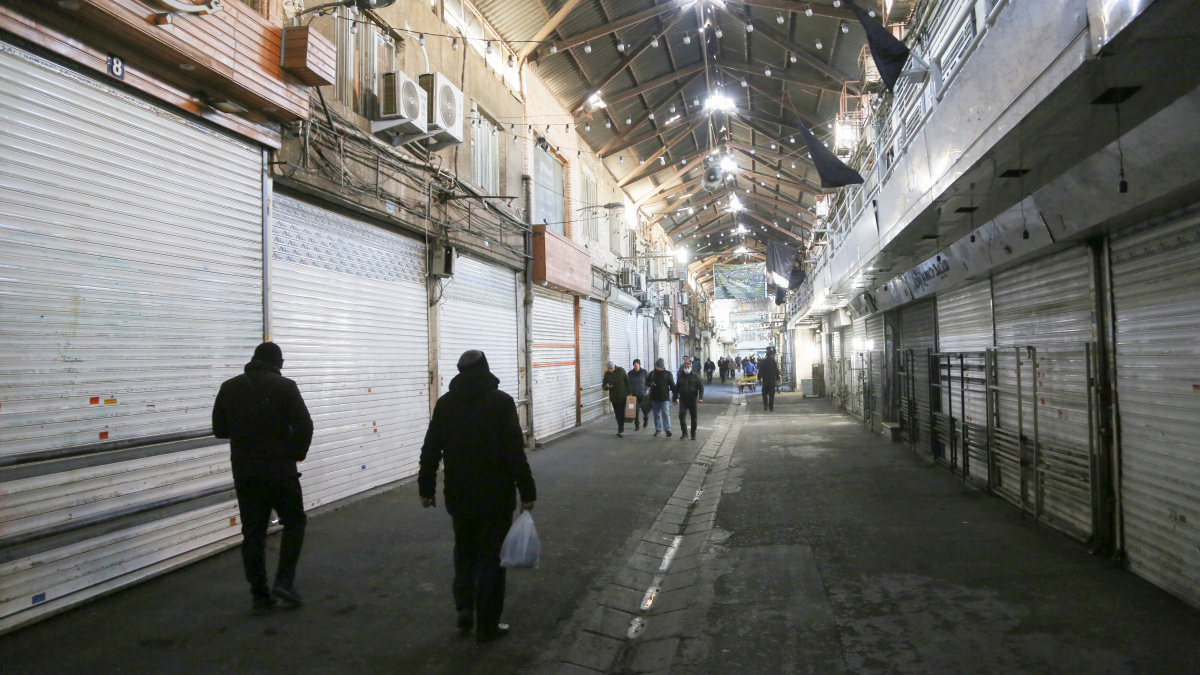
Protests began among bazaar traders and shopkeepers before spreading to students and provincial cities, where chants against the clerical leadership have been reported. Inflation has exceeded 36% since March, the rial has lost around half its value against the dollar, and sanctions linked to Iran’s nuclear programme have added to economic pressure. Authorities have combined pledges of dialogue with forceful measures to quell dissent.
Vice President Mohammadreza Aref said the government recognised shortcomings but warned that some were seeking to exploit the demonstrations, urging young people not to fall into what he called the trap of external enemies.
U.S. President Donald Trump has said that the U.S is in talks with the new Iranian regime. He said this in a post on his Truth Social account but warned that the U.S. will "Obliterate" Iran's electric and oil facilities if no deal is reached, especially regarding the Strait of Hormuz closure.
NASA is aiming to launch its Artemis 2 mission on Wednesday (1 April), sending astronauts on a 10-day journey around the Moon, officials confirmed. According to the Space Administration, the launch window is due to open at 23:24 GMT, with additional opportunities to 6 April if delays occur.
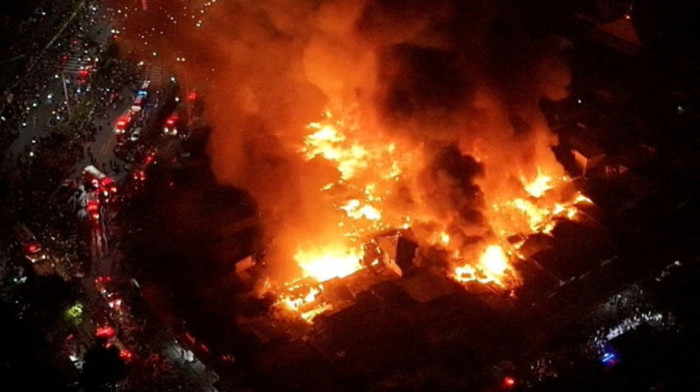
The Iran-U.S.-Israel conflict is intensifying, with fresh strikes near Tehran, European calls for restraint, and Iran threatening to target U.S. firms in the region, raising fears of a broader escalation across the Middle East.
The war in Iran has rapidly upended regional security, triggering spillover across the Middle East and raising fears of wider economic disruption that could threaten globalisation.
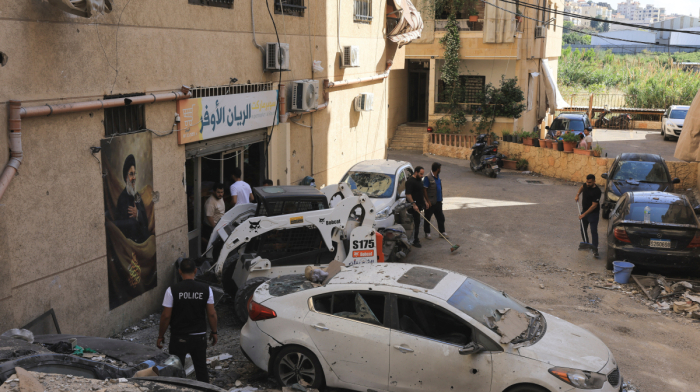
The Israeli military said on Monday that Iran launched multiple waves of missiles at Israel, and an attack had also been launched from Yemen for the second time since the U.S.-Israeli war began on Tehran. It said two drones from Yemen were intercepted early 30 March but gave no further details.
A Russia-flagged tanker carrying about 700,000 barrels of crude has arrived in Cuba’s Matanzas Bay, marking the first major oil delivery to the island since the Trump administration cut off its fuel supplies.
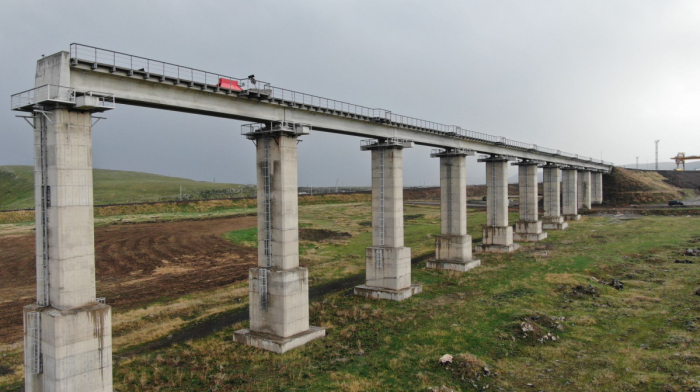
China and Kenya have agreed to revive a long-delayed railway project, signalling renewed momentum in infrastructure cooperation and a shift towards more sustainable financing models across Africa.
HHungary’s foreign minister has been drawn into controversy after an audio recording, released by an investigative outlet, appeared to show him discussing EU sanctions with his Russian counterpart days before an election that could shape Budapest’s relationship with Moscow, Reuters reports.
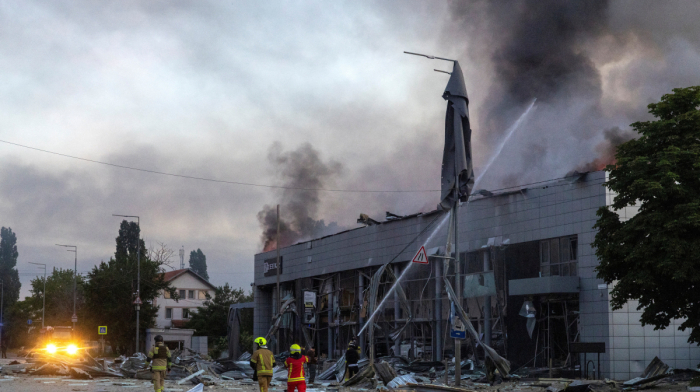
The European Union's top diplomat Kaja Kallas and several EU foreign ministers arrived in Kyiv on Tuesday to mark the fourth anniversary of the Bucha massacre and to voice their support for Ukraine, amid tensions within the bloc over blocked EU aid.
Start your day informed with the AnewZ Morning Brief. Here are the top stories for 31 March, covering the latest developments you need to know.
You can download the AnewZ application from Play Store and the App Store.
What is your opinion on this topic?
Leave the first comment