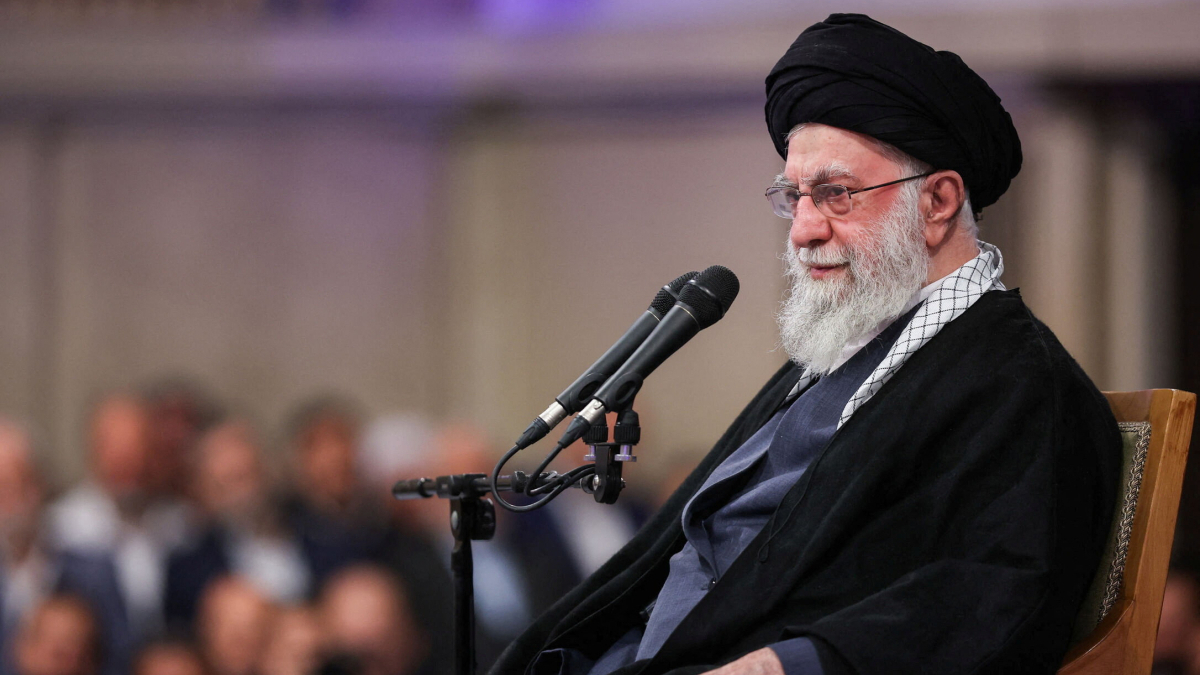
Iran’s Supreme Leader Ayatollah Ali Khamenei has warned protesters to stand down, saying the Islamic Republic “will not yield to the enemy,” as unrest driven by economic hardship spreads and detentions sharply increase.
In a recorded address broadcast on state television on Saturday, Khamenei drew a distinction between what he called legitimate economic protests and violent unrest. While acknowledging grievances over inflation and the collapsing rial, he said those he labelled “rioters” should be “put in their place”.
Rights groups say more than 10 people have been killed since demonstrations erupted earlier this week, with scores more detained. The protests, which began among shopkeepers and market traders, have spread across several provinces as inflation tops 40% and the currency continues to slide.
Authorities have adopted a mixed response, publicly offering dialogue over economic demands while deploying security forces to disperse protests in some areas. Khamenei himself said traders were justified in complaining about the currency crisis but dismissed engagement with protesters accused of violence.
Much of the reported unrest has been concentrated in western Iran, where clashes between demonstrators and security forces have turned deadly. Officials say at least two members of the security services have been killed and more than a dozen injured.
Hengaw, a Kurdish rights group, said it had identified at least 133 arrests by late Friday, a sharp rise from the previous day. Activists have reported further detentions in multiple cities, including parts of Tehran, though these accounts could not be independently verified.
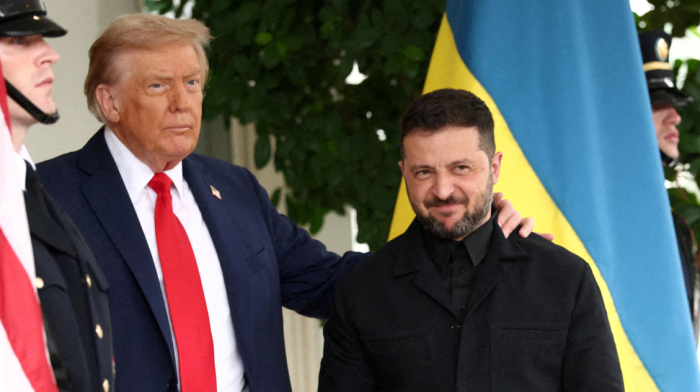
The unrest has drawn international attention. U.S. President Donald Trump said on Friday that Washington was “locked and loaded and ready to go,” without detailing what action might follow. The comments add pressure on Iran’s leadership, which is already grappling with sanctions, economic contraction and infrastructure shortages.
Iran’s domestic turmoil comes against the backdrop of significant regional setbacks. Since the war in Gaza began in 2023, Tehran has seen key allies weakened or removed, while Israeli and U.S. strikes last year damaged its nuclear programme and killed senior military figures.
The current protests are the most serious challenge to Iran’s leadership since nationwide demonstrations in late 2022 following the death of Mahsa Amini in police custody. While smaller in scale, they represent the most severe domestic unrest in three years, as authorities struggle to contain public anger over living costs and economic decline.
State media has accused “infiltrators” of attacking property under the cover of protests and reported arrests linked to alleged weapons production. Rights groups and activists, however, say security forces are using force to suppress dissent.
As tensions rise, it remains unclear whether promised dialogue will ease public anger or whether a widening crackdown will deepen the crisis facing Iran’s leadership.










What is your opinion on this topic?
Leave the first comment