




23:25 CET
Nigeria confirms Ebola case in Abuja
Nigerian health authorities have confirmed a case of Ebola disease in the Federal Capital Territory (FCT)...


More than 17 million people in Afghanistan are facing acute food insecurity this winter, according to the United Nations World Food Programme (WFP).
This represents a sharp increase from 14.8 million last year, as reductions in international humanitarian funding have forced aid agencies to scale back operations.
New figures from the latest Integrated Food Security Phase Classification (IPC) report show that three million more people are experiencing acute hunger or worse compared with last year. The WFP said the situation is expected to deteriorate further as winter deepens.
John Aylieff, WFP Country Director in Afghanistan, said the data reflects what teams are already seeing on the ground.
“WFP has been warning for months about the clear signs of a deepening humanitarian crisis in Afghanistan, and the latest data confirms our worst fears.” he said.
He added that families are resorting to extreme measures to survive. “Our teams are seeing families skipping meals for days on end,” Aylieff said.
“Child deaths are rising, and they risk becoming worse in the months ahead.”
The WFP warned that child malnutrition is projected to affect nearly four million children in the coming year, at a time when access to treatment is shrinking.
“All key indicators point to a brutal winter season ahead for Afghanistan’s most vulnerable families,” the agency said.
Save the Children, another aid organisation, citing its own analysis of the IPC data, said just over nine million children, that is 36% of all children in Afghanistan, are expected to face crisis or emergency levels of hunger before March 2026.
Samira Sayed Rahman, Programme Development and Advocacy Director for Save the Children Afghanistan, said,
“The increase in children expected to face severe levels of hunger and malnutrition this winter should sound an alarm.”
She added, “As winter bites, more families will be forced to make agonising choices, including pulling children out of school or sending them to work, just to afford a single meal.”
The agenycy said it urgently needs US$468 million to reach six million people over the next six months. “We must stand with the people of Afghanistan who depend on critical support to survive,” Aylieff said.
The WFP, which provides emergency food assistance and nutrition support, including therapeutic feeding for malnourished children and pregnant women, says it is operating with about 40% less funding globally than required.
The funding crisis has been driven by reduced contributions from major donor countries, including the U.S. and several European states, amid wider cuts to overseas aid budgets and shifting foreign aid priorities, United Nations officials say.

The shortfall has led to reduced rations, limited coverage and the suspension of preventive nutrition programmes in Afghanistan and other crisis zones.
Nearly 3.7 million children under the age of five in Afghanistan are currently acutely malnourished, while an additional 1.5 million are assessed to be at low to moderate risk. Aid agencies also estimate that about two million pregnant and breastfeeding women will require treatment for malnutrition.
Humanitarian organisations warn that without urgent funding and sustained access for aid delivery, the situation in Afghanistan will continue to deteriorate as winter sets in, placing millions of lives at increasing risk.

Nigerian health authorities have confirmed a case of Ebola disease in the Federal Capital Territory (FCT)...
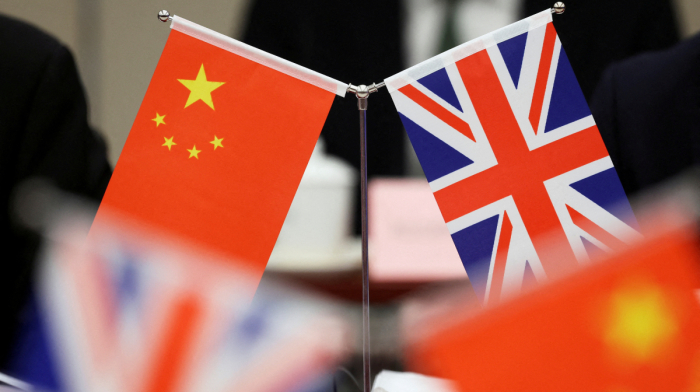
China has lodged a formal diplomatic protest with the UK after British border officials allegedly subjected Chinese travellers to lengthy questioni...
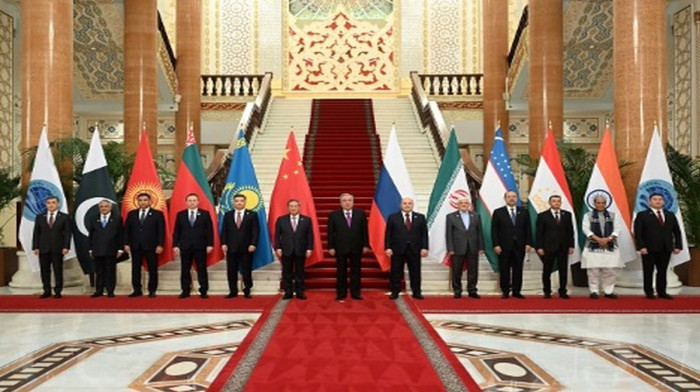
Member states of the Shanghai Cooperation Organisation (SCO) prevented 273 terrorist attacks and more than 3,000 crimes linked to terrorism, separa...

Ukrainian President Volodymyr Zelenskyy has arrived in Norway for talks about the Russia-Ukraine war. He is expected to meet with U.S. President Donald Trump's Special Envoy Steve Witkoff, who arrived in Oslo earlier. Witkoff will also meet European officials.
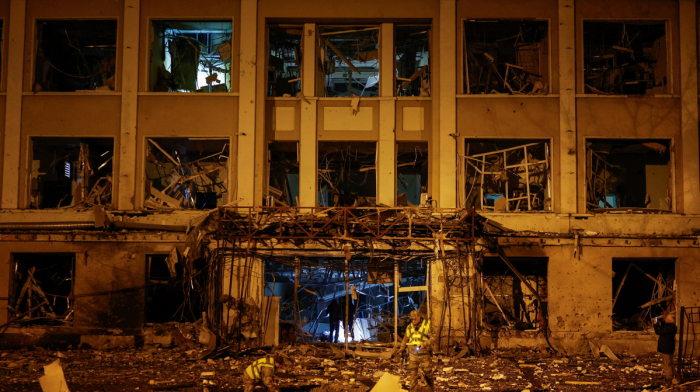
U.S. President Donald Trump has criticised Ukrainian President Volodymyr Zelenskyy for continuing to target Russia's energy infrastructure, while Russian strikes on Kyiv overnight killed at least one person and damaged a metro station.

French President Emmanuel Macron has condemned the violence, looting and vandalism that erupted during cost-of-living protests across France. Prime Minister Sébastien Lecornu held crisis talks on Monday, calling for partial curfews and raising the possibility of a state of emergency.

An oil tanker caught fire after striking a naval mine in the southern part of the Strait of Hormuz, Iran’s Islamic Revolutionary Guard Corps (IRGC) Navy said late Sunday.
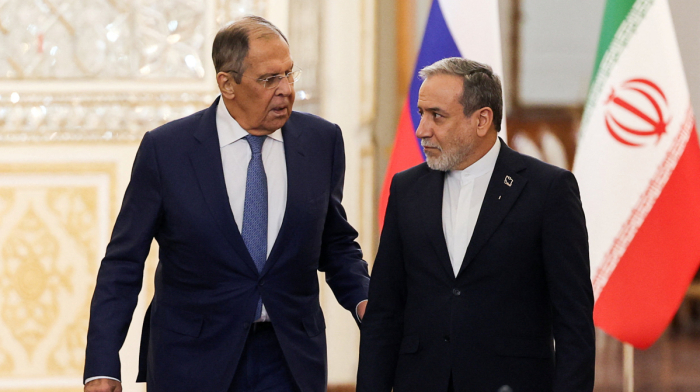
Iranian Foreign Minister Abbas Araghchi said regional issues should be resolved through diplomacy and blamed the United States for insecurity and tensions in the Strait of Hormuz, speaking at a joint news conference with Russian Foreign Minister Sergey Lavrov on Monday.
Nigerian health authorities have confirmed a case of Ebola disease in the Federal Capital Territory (FCT), prompting the activation of emergency public health measures aimed at preventing further transmission of the deadly virus.
China has lodged a formal diplomatic protest with the UK after British border officials allegedly subjected Chinese travellers to lengthy questioning and seized personal electronic devices, including phones, laptops and smartwatches.
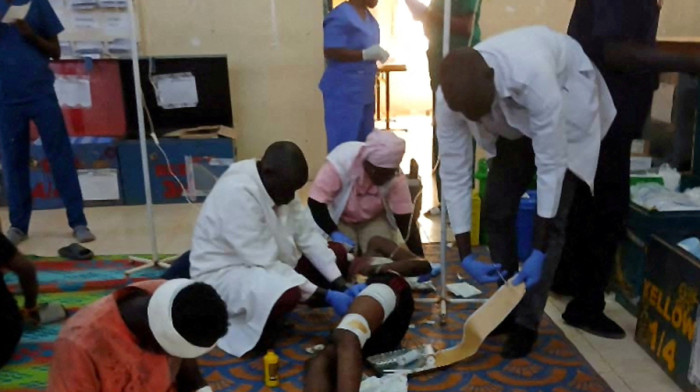
More than 150 people have been killed in a drone strike on a crowded market in the disputed Abyei region, South Sudanese officials said, marking one of the deadliest attacks linked to Sudan's civil war since it began in April 2023.
Ukrainian President Volodymyr Zelenskyy has arrived in Norway for talks about the Russia-Ukraine war. He is expected to meet with U.S. President Donald Trump's Special Envoy Steve Witkoff, who arrived in Oslo earlier. Witkoff will also meet European officials.
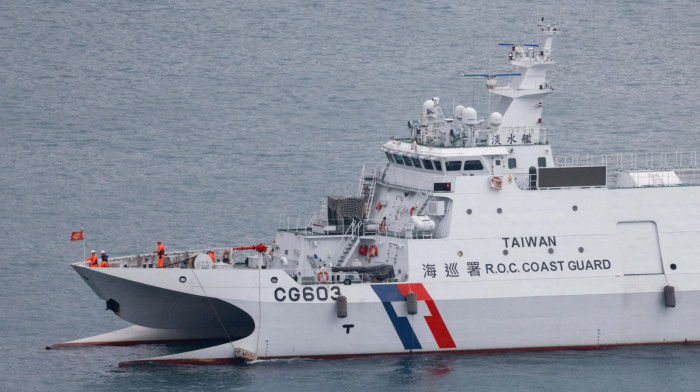
Beijing says it deployed naval forces to monitor a U.S. warship near Sabina Shoal, while Taiwan reports a separate confrontation with a Chinese coast guard vessel near the Pratas Islands.
You can download the AnewZ application from Play Store and the App Store.




What is your opinion on this topic?
Leave the first comment