Ukrainian President Volodymyr Zelenskyy is facing growing international pressure to hold elections, with voices from both the United States and Europe highlighting the issue, even as the country remains in the midst of a protracted conflict with Russia
Speaking to Anewz, John Kavulich, senior editor at Issue Insight, emphasised the complexities facing Kyiv in trying to balance democratic processes with wartime realities.
“Wartime conditions make normal politics virtually impossible,” Kavulich said.
“While Ukraine could theoretically organise elections, there are massive practical and logistical hurdles. President Zelenskyy is correct in insisting that elections cannot be conditional on Russia ending the military conflict. Instead, they would need to occur only under secure circumstances.”
Kavulich outlined several key challenges. Large portions of Ukrainian territory remain under Russian occupation, complicating the ability to conduct free and fair voting. Additionally, millions of Ukrainians have fled the country or been internally displaced.
“You have soldiers on the front lines who may be unable to vote, and you have millions living outside Ukraine. These are not trivial issues,” Kavulich explained.
He added that funding is another obstacle. “A year ago, President Zelenskyy noted that holding an election would require roughly $135 million, and he made it clear that diverting military funds for an election is not feasible.”
Meanwhile, U.S. President Donald Trump has repeatedly pressed Zelenskyy to move forward with elections, suggesting that Kyiv may be using the ongoing war as an excuse to avoid the democratic process.
Speaking to the media, Trump said, “They haven’t had an election in a long time… it’s losing a lot of people… at what point will they have an election in Ukraine?”
He cited public polls showing that a majority of Ukrainians want a settlement and expressed concerns over corruption. Trump also indicated that he had discussed the issue with European leaders, who are urging a coordinated meeting involving both Zelenskyy and the U.S.
Previously Zelenskyy has told reporters that Ukraine is “ready for elections” if security can be guaranteed, ideally with support from the United States and European partners.
“I’m asking – and now declaring it openly – the United States to help me, maybe along with European colleagues, to provide security for holding the vote,” Zelenskyy said. He stressed that the timing and conduct of elections is ultimately a matter for the Ukrainian people, not external actors.
Kavulich underscored the president’s cautious approach. “President Zelenskyy has indicated he will not run again, which is a strategic decision to ensure a clean slate. But even if elections are possible in the near term, they cannot proceed until proper security guarantees are in place, especially for soldiers and displaced citizens.”
“Ukraine has made remarkable progress in digital governance over the past four years, achieving in a short time what many countries might take decades to accomplish," Kavulich said.
Yet no amount of digitalisation can overcome the basic realities of war. Holding elections under these conditions is not impossible, but it is fraught with risk and will require unprecedented co-ordination with international partners.”
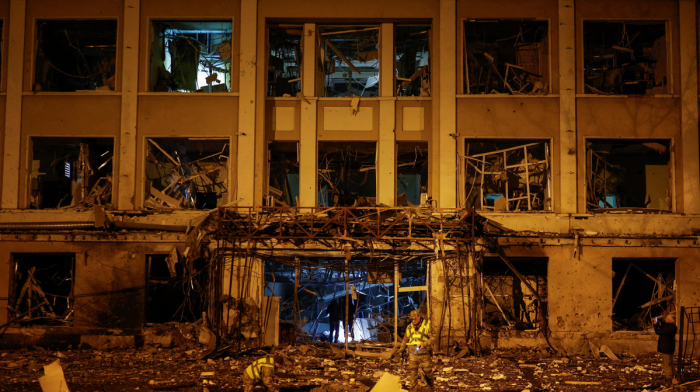
As the conflict enters its fifth year, the timing of Ukrainian elections remains uncertain. With pressure from the U.S., European allies, and domestic constituencies, Kyiv faces a delicate balancing act between democratic legitimacy and the imperatives of national security.










What is your opinion on this topic?
Leave the first comment