Russia has welcomed U.S. President Donald Trump’s new National Security Strategy, calling it largely consistent with Moscow’s own vision, as Washington pushes forward with efforts to broker an end to the war in Ukraine.
The 33-page document, released this week, uses noticeably softer language toward Russia and does not describe it as a direct threat to the United States.
It warns instead that Europe faces what it calls “civilisational erasure” and argues that Washington must re-establish strategic stability with Russia to stabilise European economies. The strategy also accuses the European Union of blocking U.S. efforts to bring the conflict to an end.
Kremlin spokesman Dmitry Peskov said the text includes language favouring dialogue over confrontation, in line with positions long expressed by Russian President Vladimir Putin. He cautioned, however, that implementation would be the real test, warning that plans that look positive on paper often unfold differently in practice.
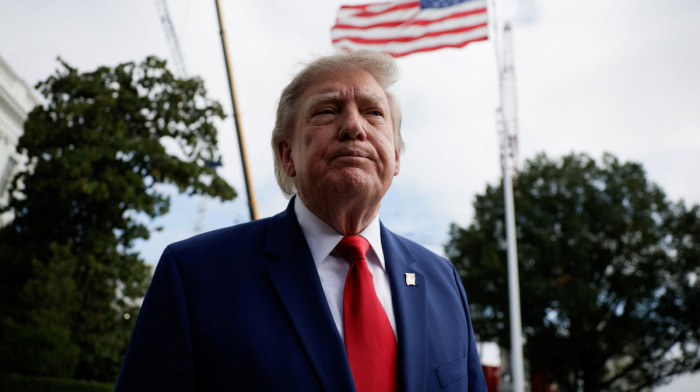
Against that backdrop, Trump offered fresh comments on his direct engagement with both sides of the conflict. He said he had spoken with Putin and with Ukrainian leaders, including President Volodymyr Zelenskyy.
Trump added that he was disappointed Zelenskyy had not yet personally reviewed the U.S. peace proposal, despite what he described as strong support from Zelenskyy’s team. Trump said Russia was “fine with it”, but he was unsure whether Zelenskyy himself was aligned.
Zelenskyy struck a more cautious tone on Sunday, saying talks with U.S. representatives had been constructive but difficult. He stressed that American officials now clearly understand Ukraine’s core positions on peace, security and reconstruction.
The remarks followed a lengthy phone call on Saturday (6 December) with Trump’s special envoy Steve Witkoff and Trump’s son-in-law Jared Kushner.
Witkoff and Kushner had just completed two days of closed-door talks in Miami with Ukraine’s chief negotiator Rustem Umerov. Both sides described the meetings as constructive discussions aimed at shaping a credible pathway toward a durable and just peace. Witkoff was also expected to brief Umerov on his earlier visit to Moscow, where he met Putin.
Zelenskyy said Kyiv would continue working in good faith with Washington and that next steps and formats for further talks had been agreed. He added that not everything could be settled by phone and that detailed work would continue through teams on security, peace and reconstruction.
Diplomacy is set to continue on Monday (8 December) in London, where British Prime Minister Sir Keir Starmer is expected to host Zelenskyy. French President Emmanuel Macron and German Chancellor Friedrich Merz are also due to attend, as European leaders seek to secure a direct role in shaping the endgame of the war.
UK's Work and Pensions Secretary Pat McFadden said Ukraine’s security and self-determination would be at the heart of the London talks. He described the U.S.-led negotiations as being at a really pivotal moment.
After three days of talks in Miami, Trump’s outgoing Ukraine envoy Keith Kellogg said a deal to end the war was “really close” but depended on Russia’s cooperation. He said negotiations remain stuck on two key issues, the future size of Ukraine’s army and the status of the eastern Donbas under Russian control.
Washington has been pressing Kyiv and Moscow to engage around a multi-point peace plan. Early versions triggered criticism in Ukraine and across Europe for appearing too favourable to Russian demands. Those drafts included limits on Ukraine’s military, restrictions on NATO involvement and acceptance of Russian control over parts of the Donbas.
European leaders have since pushed for a step-by-step diplomatic track backed by long-term security guarantees and sustained military aid. They have also promoted the idea of a European-led security force to monitor any future agreement, a proposal rejected by Moscow.
Russia says it is open to talks and blames Kyiv and the West for blocking peace. Ukraine and its allies say the Kremlin is using diplomacy to entrench battlefield gains. Putin has ruled out territorial concessions and has warned that Russia would take the Donbas by force if Ukraine refuses to withdraw.
Trump has said ending the war in Ukraine remains his toughest foreign policy challenge. At the same time, the softer tone toward Russia in the new U.S. strategy has triggered unease across Europe.
Polish Prime Minister Donald Tusk urged Washington to preserve transatlantic unity, calling it the only realistic foundation for shared security.
Even as diplomacy accelerates, the fighting continues
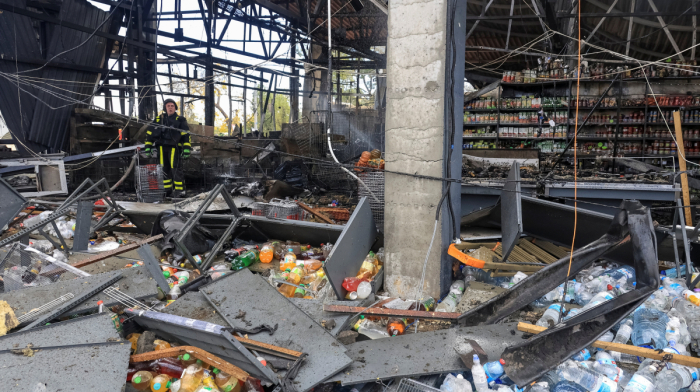
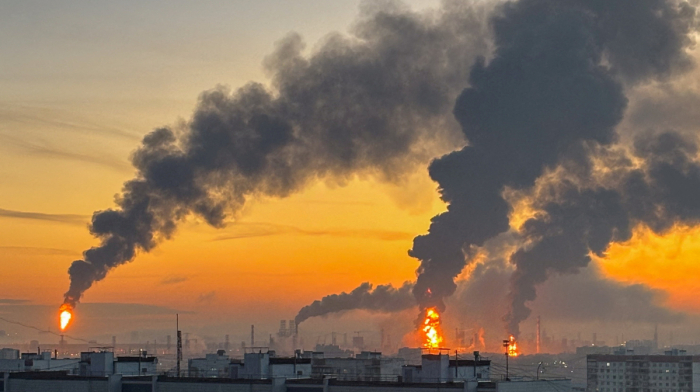
Over the weekend, Russia launched another large-scale aerial attack across Ukraine. Kyiv reported a wave of missiles and drones overnight into Sunday, a day after hundreds more were fired across the country, triggering air raid alerts nationwide.
Macron expressed full solidarity with Ukraine after the latest strikes and said efforts with the Americans would continue.










What is your opinion on this topic?
Leave the first comment