Faced with mounting public outrage following one of the deadliest environmental disasters in the nation’s recent history, the Indonesian government has pledged to investigate and potentially shut down mining operations found to have contributed to the catastrophic flooding on Sumatra.
Questions are intensifying regarding the role of unchecked deforestation and industrial extraction in worsening the disaster, which has devastated large swathes of the archipelago’s western island.
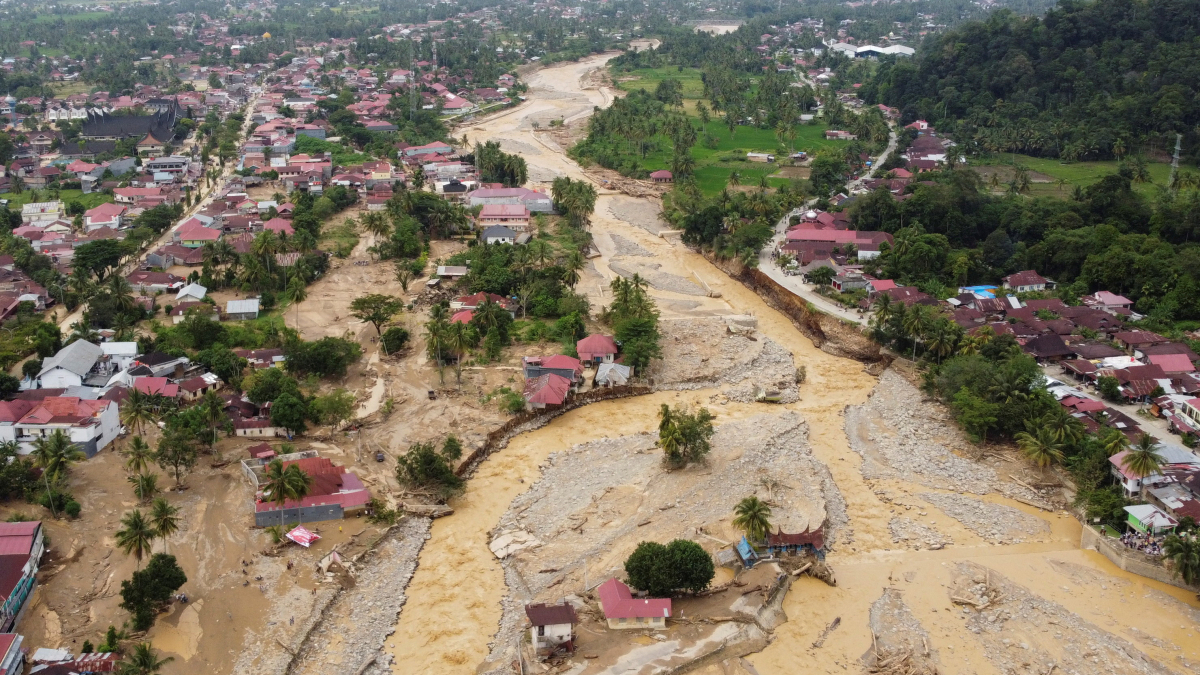
According to the latest government data, cyclone-induced floods and landslides have left approximately 800 people dead and 564 missing across the provinces of West Sumatra, North Sumatra, and Aceh.
The extreme weather systems responsible for the deluge have wreaked havoc across Southeast Asia, killing almost 200 people in neighbouring Malaysia and Thailand.
This follows months of volatile weather in the region, including deadly typhoons in the Philippines and Vietnam, which scientists say are becoming more frequent and intense due to anthropogenic climate change.
However, in Indonesia, the crisis has reignited a fierce national debate about land use. While the archipelago is prone to hydro-meteorological disasters due to its tropical climate and volcanic topography, environmentalists argue that rapid land conversion for mining and agriculture has stripped the soil of its ability to absorb heavy rainfall.
Government Response
Energy Minister Bahlil Lahadalia, visiting evacuated residents in West Sumatra on Wednesday, issued a stark warning to the extractive sector.
He confirmed the government would review and potentially revoke the permits of any companies found violating environmental standards.
"If in our evaluations they have proven to have violated or are not adherent, then we will do our job without any hesitation according to the rules in place," Lahadalia said.
This stance was echoed by Environment Minister Hanif Faisol Nurofiq, who took to Instagram on Thursday to attribute the scale of the disaster to a combination of "changing climate intensifying bad weather events" and severe environmental degradation.
He specifically pointed to shrinking forest cover across the three worst-affected provinces as a critical exacerbating factor.
The Cost of Extraction
Sumatra, a biodiversity hotspot once covered in dense rainforests, has become a focal point for Indonesia’s resource-driven economy.
Between 2001 and 2024, the island lost 4.4 million hectares (11 million acres) of forest—an area larger than Switzerland—according to David Gaveau, founder of the deforestation monitor Nusantara Atlas.
Images circulating on social media of huge logs washing ashore and destroying villages have sparked anger among Indonesians, many of whom view the debris as physical evidence of illegal logging and upstream mining activities.
JATAM, an environment-focused NGO, noted that legal permits to convert forests into extraction zones cover about 54,000 hectares (133,000 acres) in the affected areas, with the majority allocated for mining.
Among the permit holders is PT Agincourt Resources, which operates the Martabe gold mine in the ecologically sensitive Batang Toru ecosystem.
In a statement to Reuters this week, the company pushed back against the allegations, stating that making a direct link between the floods and the mine's operations was "a premature and inaccurate conclusion".
Rescue Efforts Hampered
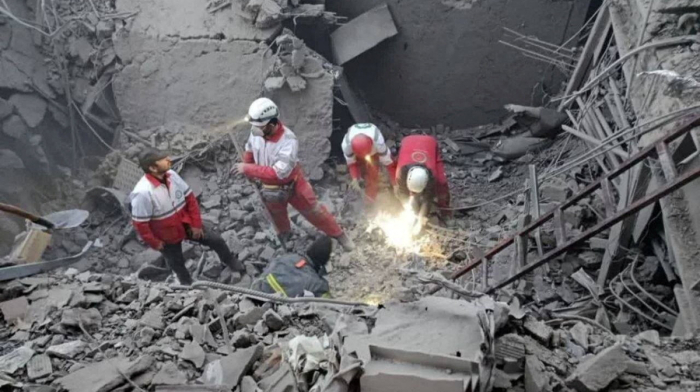
On the ground, the situation remains dire. Landslides have severed power lines and blocked major arterial roads, severely hampering the ability of rescuers to deliver aid to isolated mountain villages.
As the search for the 564 missing persons continues, the disaster serves as a grim test for Jakarta’s ability to balance its economic reliance on natural resources with the urgent need to protect its population from the escalating climate emergency.


















What is your opinion on this topic?
Leave the first comment