British Chancellor Rachel Reeves has reaffirmed her confidence in the country’s independent fiscal watchdog, the Office for Budget Responsibility (OBR), despite a significant operational blunder that saw sensitive budget details published hours ahead of schedule on Wednesday.
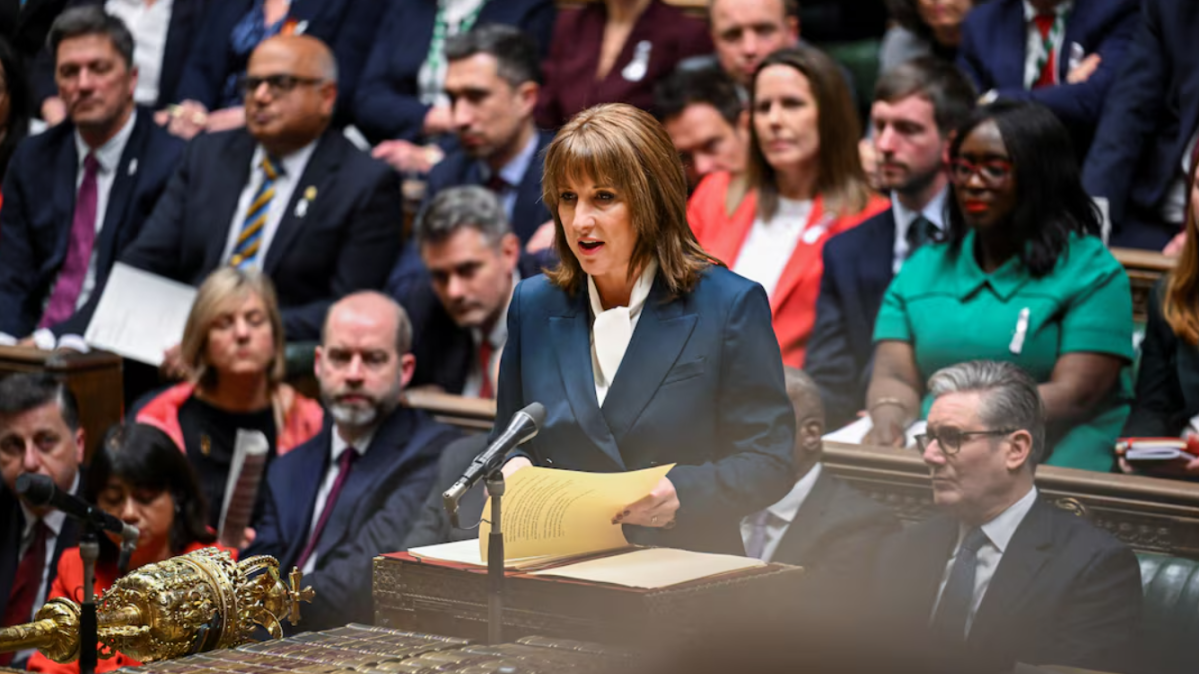
The error caused immediate ripples in the financial markets and sparked anger among lawmakers, overshadowing parts of Reeves' major fiscal presentation in the House of Commons on 26 November.
Speaking to Sky News on Thursday, the Chancellor described the premature publication as a "serious breach" of protocol but confirmed she retains full confidence in OBR Chair Richard Hughes.
"I think Richard Hughes does a good job," Reeves said, emphasising the importance of the institution's independence, even as she acknowledged the gravity of the mistake.
The OBR serves as the United Kingdom's independent economic forecaster. Its primary role is to "mark the government's homework," providing credible analysis of the Chancellor's tax and spending plans.
Strict protocols usually dictate that OBR data is released only after the Chancellor has finished speaking to Parliament. This is to prevent market volatility and to uphold the principle that elected Members of Parliament should be the first to hear major policy announcements.
However, on Wednesday, the OBR’s "Economic and Fiscal Outlook" appeared on the watchdog's website while Reeves was still briefing the Cabinet, long before her speech to the House of Commons began.
The early release triggered immediate "market moves," with traders reacting to borrowing forecasts and growth figures before the Chancellor had the chance to contextualise them. Sterling and UK government bonds (gilts) saw increased volatility in the minutes following the accidental upload.
This sensitivity is heightened in the UK following the market crash of 2022, caused by former Prime Minister Liz Truss's "mini-budget," which was released without OBR analysis.
Since taking office, Reeves has staked her reputation on fiscal discipline and stability, making a procedural error of this magnitude particularly embarrassing for the Treasury, even though the fault lay with the independent watchdog.
Investigation launched
OBR Chair Richard Hughes issued a stark apology on Thursday, stating he felt "personally mortified" by the incident.
In an interview with BBC Radio, Hughes confirmed that a rigorous investigation is already underway. To ensure transparency, the probe will be overseen by the chair of the OBR’s oversight board rather than internal management.
Crucially, the OBR has drafted in external expertise to review its digital security and publishing processes.
Professor Ciaran Martin, the former head of the UK’s National Cyber Security Centre (NCSC), will provide expert input into the review.
Hughes stated that the objective of the review is to identify the specific technical or human errors that led to the breach and to implement safeguards "to make sure it will never happen again."
While the opposition Conservative party has seized on the error to criticise the government's competence, Reeves' public backing of Hughes suggests she is keen to draw a line under the incident and refocus attention on the substance of her budget measures.
















What is your opinion on this topic?
Leave the first comment