A senior Japanese diplomat will head to China on Monday, Japanese media reported, as Tokyo tries to calm an escalating diplomatic spat over Taiwan that is straining relations between the East Asian neighbours.
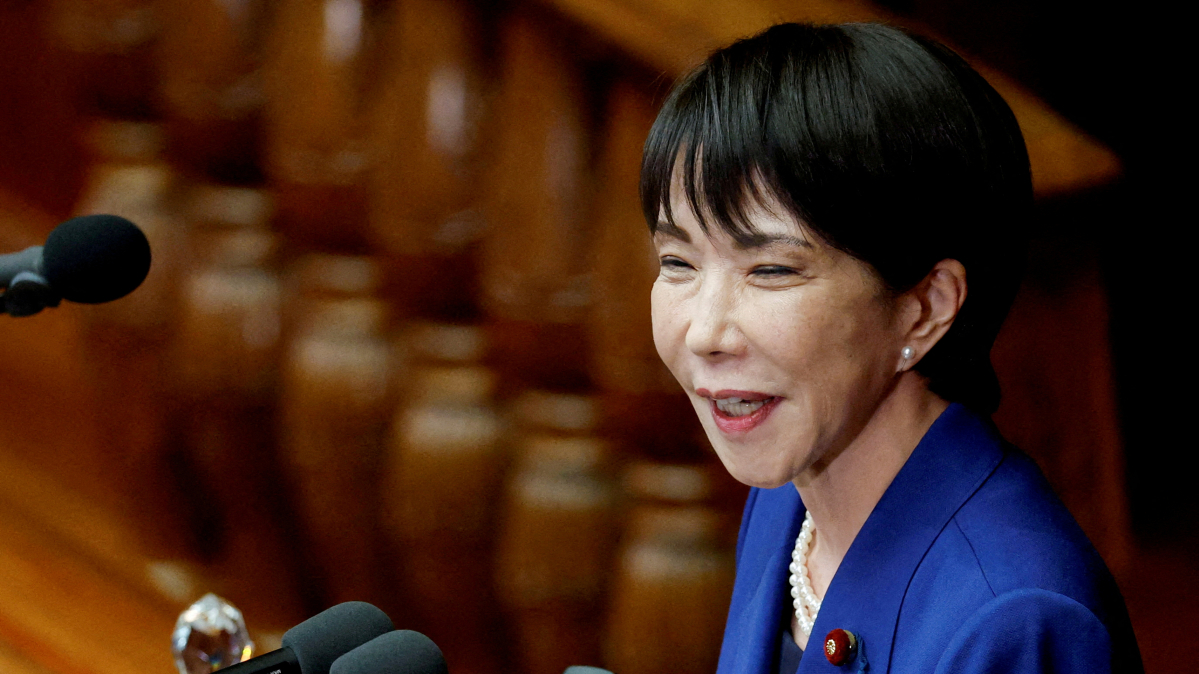
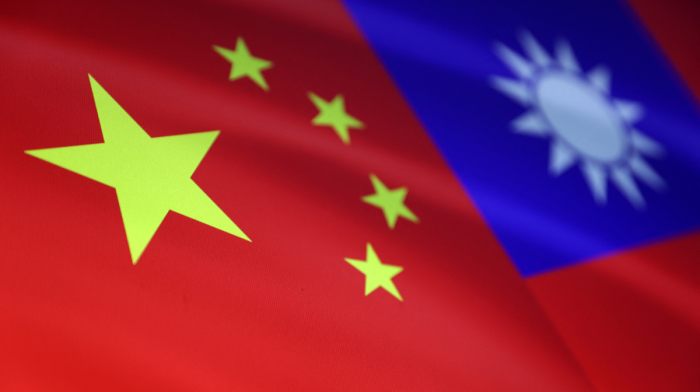
The row erupted after Prime Minister Sanae Takaichi told Japanese lawmakers that a Chinese attack on Taiwan could threaten Japan's survival and potentially trigger a military response, something officials had long avoided airing in public for fear of provoking Beijing, which claims the democratically-governed island.
Masaaki Kanai, the director general of the Japanese foreign ministry's Asia and Oceania bureau, will meet his Chinese counterpart, Liu Jinsong, Japanese media reported. Kanai is expected to explain that Takaichi's comment does not signal a shift in Japanese security policy and to urge China to refrain from actions that would damage ties, media said.
Japan's Ministry of Foreign Affairs said it was not immediately able to confirm whether Kanai was travelling to China.
Beijing on Friday warned Japan it would face a "crushing" military defeat if it uses force to intervene over Taiwan and summoned Japan's ambassador to lodge a "strong protest". It also advised Chinese citizens against visiting Japan, raising concern that tourism-related companies in Japan will see a downturn in business.
Speaking to reporters in New Taipei on Monday, Taiwan President Lai Ching-te said China was carrying out a "multifaceted attack" on Japan, severely impacting peace and stability in the Indo-Pacific region.
"I call on the international community to continue paying close attention and I also urge China to exercise restraint and demonstrate the conduct befitting a major power, rather than becoming a troublemaker for regional peace and stability," he said.
"China should return to a rules-based international order; only then will it be helpful for the region's development. We ask China to think twice."
Lai and his government reject Beijing's sovereignty claims.
Chinese state-linked media has continued to target the Japanese premier.
"Takaichi's dangerous remarks, which have touched the nerves of all parties, were not only strategic recklessness, but also deliberate provocation," the People's Daily, the official newspaper of China's ruling Communist Party, said in a Monday editorial.
A downturn in Chinese visitor numbers similar to the 25% fall Japan experienced during an earlier diplomatic row in 2012 could result in a significant economic loss, according to Takahide Kiuchi, executive economist at Nomura Research Institute.
"A drop in visitor numbers on this scale would have a dampening effect exceeding half of Japan’s annual growth," he said.


















What is your opinion on this topic?
Leave the first comment