The eastern Ukrainian city of Pokrovsk has emerged as a critical point in Russia’s campaign to seize the remaining Ukrainian-held parts of Donetsk, and its fate could shape the course of the conflict in the region.
Strategically located as a road and rail hub, the city once supported Ukraine’s steel industry and military logistics. Today, it lies almost encircled by Russian forces, with most civilians having fled and Ukrainian troops facing mounting operational challenges.
Military analyst Rob Lee, a senior fellow at the U.S.-based Foreign Policy Research Institute, explains the stakes: “So for Russia, they’ve advanced probably about twice the rate in 2025 as they did in 2024. But in many cases, they’re advancing in somewhat less important directions. They didn’t take as many large cities…Pokrovsk could be a really important kind of informational win for Russia and also an operational kind of success.”
Russian forces have used a mix of pincer movements, small infiltration units, and unmanned aerial vehicles (UAVs) to disrupt Ukrainian supply lines. Lee notes that Russian troops are increasingly concentrated in the city: “Different estimates put it at maybe 200–300 or more soldiers. And clearly, as more soldiers enter the city, Russia is getting a better degree of control over the city itself.”
The “grey zone” around Pokrovsk is complicating Ukrainian operations. Lee adds: “Once you have this whole grey-zone area, it means Russian infiltration groups can walk into all these areas. That means if you’re a Ukrainian UAV team, you get to focus on your own security more than you would normally. It’s not always clear what is a safe area. To the rear, to the front, once that becomes more chaotic, it becomes much more difficult for UAV teams to operate too.”
While Pokrovsk is under pressure, Lee stresses that other cities remain key to Ukraine’s defence in Donetsk: “Sloviansk and Kramatorsk are still the most vital, important part of Donetsk for Ukraine to defend. They are the centre for command and control, logistics, and for holding much of the frontline. Even if Russia cannot capture these cities directly, daily drone and glide bomb strikes make life increasingly difficult for civilians.”
Ukraine still holds about 10% of Donbas, roughly 5,000 square kilometres in western Donetsk, while Moscow claims the entire region as Russian territory. Capturing Pokrovsk would provide Russia not only a tactical advantage but also an informational victory after struggling to take major towns and cities in 2025.
Lee warns that the city’s outcome could influence Russian strategy going forward: “If Russia is able to capture Pokrovsk, then it’s the question of where they will reorient their focus. Right now, they’re putting a lot of reinforcements with key UAV units and other main units on this city.”
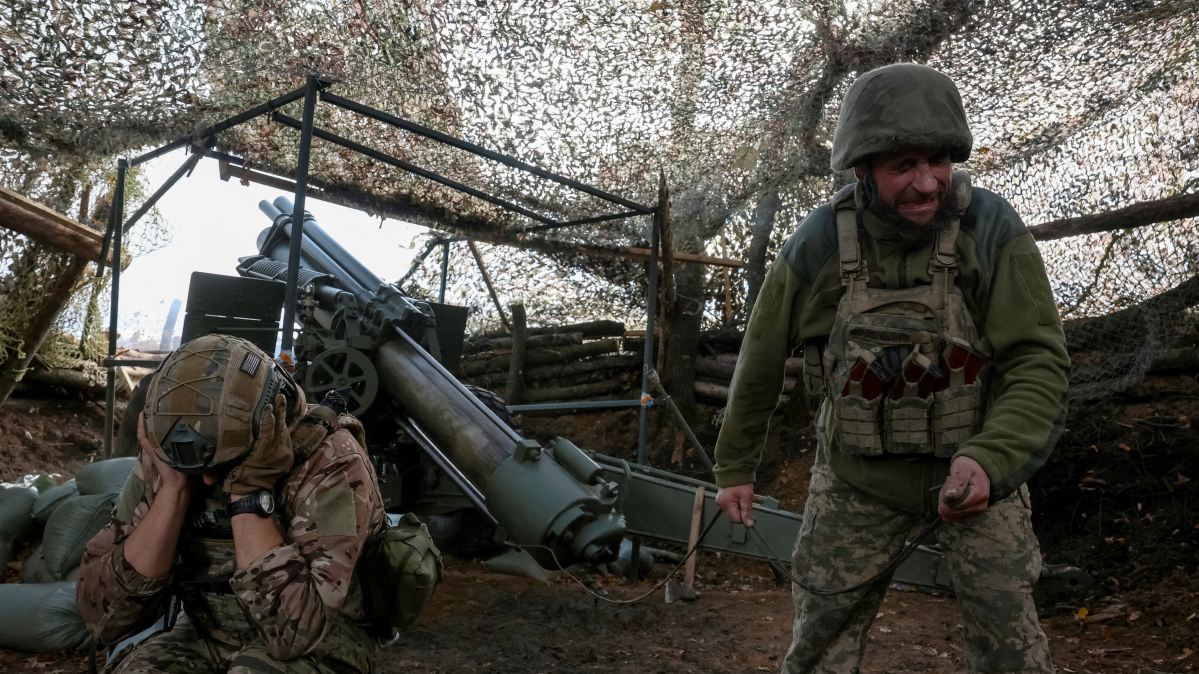
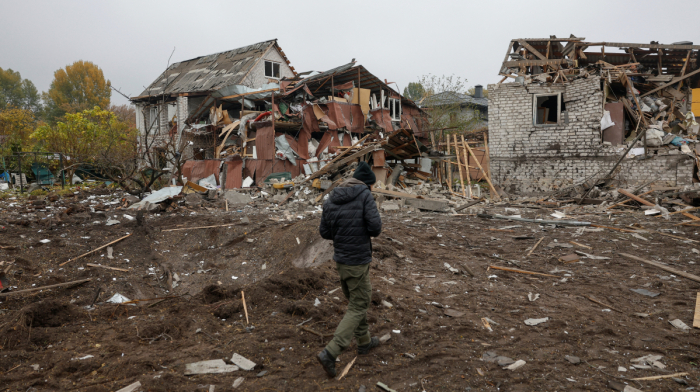
The battle for Pokrovsk illustrates the ongoing intensity of the Donbas conflict: a mix of conventional assaults, urban warfare, and drone attacks, with civilians caught in the crossfire. Its eventual fall—or defence—could shape the frontlines and the broader narrative of the war in Ukraine for the months ahead.











What is your opinion on this topic?
Leave the first comment