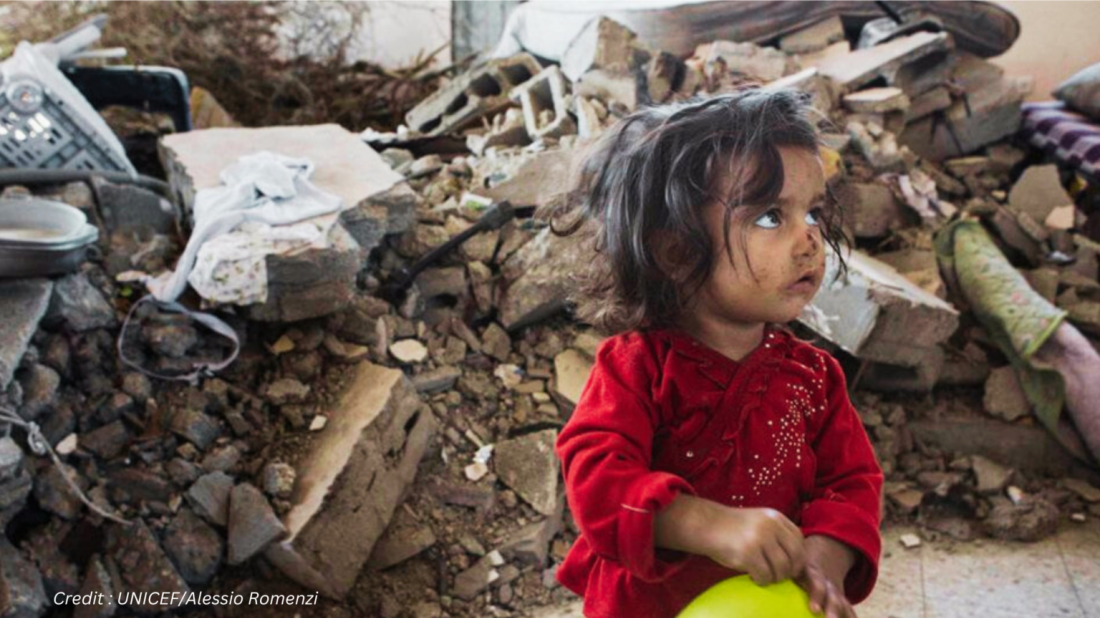
Over 473 million children live in conflict zones, facing unprecedented risks to safety, health, and education. UNICEF urges action to protect their rights and end their suffering.
Over 473 million children—more than one in six globally—now live in areas affected by conflict, with the world experiencing the highest number of conflicts since World War II, according to UNICEF, an agency of the United Nations providing aid to children worldwide.
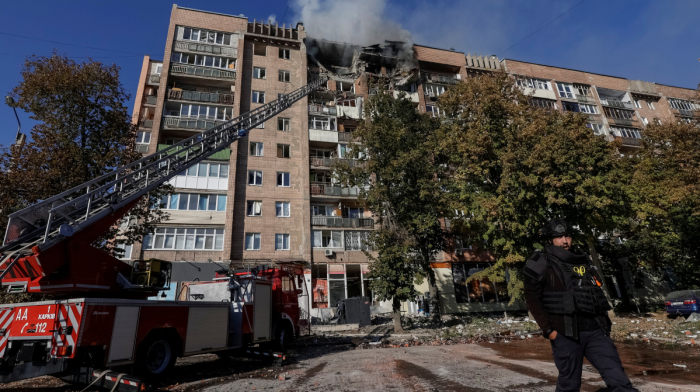
Trends in 2024 indicate additional displacement due to the intensification of conflicts, including in Ukraine, Haiti, Lebanon, Myanmar, the State of Palestine, and Sudan.
More children than ever are estimated to be either living in conflict zones or forcibly displaced due to conflict and violence, the agency stated on Saturday and drew the attention to the fact that “a record number of children has being killed and injured or having their rights violated.”
“By almost every measure, 2024 has been one of the worst years on record for children in conflict in UNICEF’s history—both in terms of the number of children affected and the level of impact on their lives,” said UNICEF Executive Director Catherine Russell.
“A child growing up in a conflict zone is far more likely to be out of school, malnourished, or forced from their home—too often repeatedly—compared to a child living in places of peace. This must not be the new normal.”
Children account for 30 per cent of the global population, yet on average account for roughly 40 per cent of refugee populations and 49 per cent of internally displaced people. According to a review by UNICEF of the latest available global data, the proportion of children living in areas of conflict has doubled – from about 10 percent in the 1990s to almost 19 percent today.
Conflicts are also having devastating effect on children’s access to critical healthcare children are also missing out on vital vaccinations and are being deprived of other healthcare due to wars. UNICEF said around 40% of unvaccinated or under-vaccinated children live in countries affected by conflict, making them vulnerable to disease.
“Children in war zones face a daily struggle for survival that deprives them of a childhood,” said Russell. “Their schools are bombed, homes destroyed, and families torn apart. They lose not only their safety and access to basic life-sustaining necessities, but also their chance to play, to learn, and to simply be children.”
UN agency reiterated a call for all parties to conflicts to end the suffering of children and ensure their rights are upheld in accordance with international humanitarian obligations.












What is your opinion on this topic?
Leave the first comment