The United Nations has warned of a catastrophic humanitarian situation in Sudan after reports emerged of mass killings, sexual violence, and forced displacements following the capture of al-Fashir by the Rapid Support Forces (RSF).
The city, the Sudanese army’s last major stronghold in Darfur, fell on Sunday after an 18-month siege. According to witnesses and humanitarian agencies, hundreds of civilians and unarmed fighters were killed as RSF forces swept through the area. One survivor described the killing of “a couple of hundred men” by fighters using racial slurs before opening fire.
A senior RSF commander dismissed the accounts as “media exaggeration,” accusing the army and its allies of fabricating reports “to cover up their defeat.”
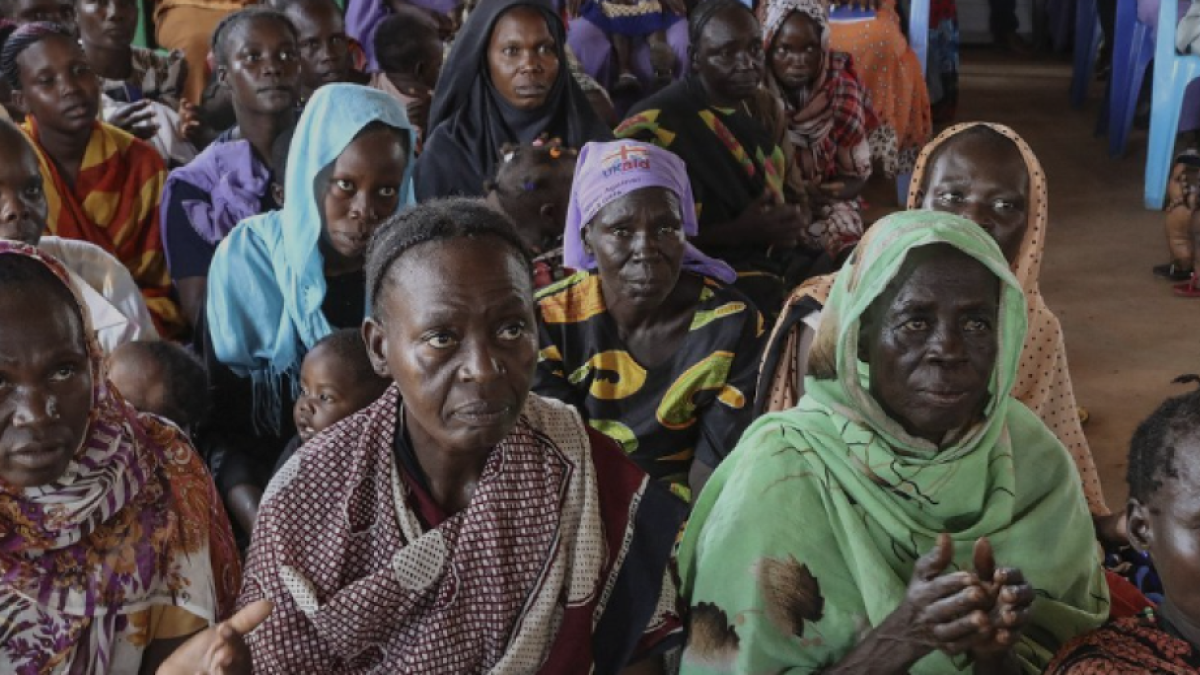
U.N. spokesperson Stephane Dujarric described the situation as “horrific to say the least,” warning that North Darfur remains in chaos. “Ongoing attacks against civilians, humanitarian access to al-Fashir cut off, and desperate people continuing to flee towards Tawila and other towns seeking safety,” he said during a briefing in New York.
The International Organization for Migration estimates that at least 62,000 people have fled al-Fashir and its surrounding areas between October 26 and 29. Humanitarian corridors remain blocked, telecommunications are down, and aid workers say thousands are stranded without shelter, food, or medical care. “The videos we’re seeing on TV coming out of al-Fashir are bloodcurdling, to say the least,” Dujarric said.
In neighbouring North Kordofan, the RSF’s seizure of Barah town has displaced nearly 36,000 people. The U.N. said it has received credible reports of serious abuses, including the alleged summary execution of five Red Crescent volunteers and the gang rape of at least 25 women at a displacement shelter near al-Fashir University.
“These latest reports of serious violations potentially amount to numerous crimes under international law,” Dujarric said, calling for “independent, prompt, transparent and thorough investigations” and for perpetrators to be held accountable. “The rights of victims and their families to truth, justice and reparations must be ensured,” he added.
The U.N. is urging the Security Council to send an “unambiguous message” demanding a halt to the fighting, the protection of civilians, and full humanitarian access to all affected regions.
Diplomatic efforts are continuing, with U.N. envoy Ramtane Lamamra reportedly in contact with members of the “Quad” — comprising the United States, the United Kingdom, Saudi Arabia, and the United Arab Emirates — to coordinate a response.
Meanwhile, humanitarian partners are struggling to deliver emergency relief to the tens of thousands displaced by the violence. “Huge gaps persist, including shelter materials, medicines, trauma care, food assistance and psychosocial support,” the U.N. said.
As the conflict in Sudan enters its 19th month, the violence in Darfur and Kordofan marks a grim escalation in what the U.N. has described as one of the world’s fastest-growing humanitarian crises — with millions displaced, thousands killed, and entire communities on the brink of famine.












What is your opinion on this topic?
Leave the first comment