Afghanistan and Pakistan have extended their ceasefire, following several days of negotiations in Istanbul from October 25 to 30, 2025, mediated by Türkiye and Qatar.
A statement from the Turkish Ministry of Foreign Affairs confirmed that both sides have agreed to extend the ceasefire and to establish a monitoring and verification mechanism to ensure its implementation, including penalties for any violators.
The next principal-level meeting will take place in Istanbul on 6 November 2025 to finalise the modalities of the ceasefire and border management.
In a statement, the spokesperson of the de facto Afghan government, Zabihullah Mujahid, said the talks were held “in line with its permanent and principled policy that issues should be resolved through diplomacy and understanding.”
Zabihullah added that the Afghan delegation, described as a “comprehensive and professional team,” conducted the negotiations in a sincere and patient manner.
The statement continued that Afghanistan seeks “good relations with neighbouring countries, including Pakistan,” and remains committed to ties “based on mutual respect, non-interference in internal affairs, and not posing a threat to any side.”
It also confirmed that both countries will meet again to discuss remaining issues, noting the Istanbul negotiations were “a complex process.”
Pakistan’s Information Minister Attaullah Tarar described the outcome of the Istanbul talks as a “victory” for Pakistan, saying it was now up to Kabul to take firm and verifiable action against militant groups, Pakistan TV Digital reported.
Minister Tarar stated, “Pakistan’s stance has been clear: support for terrorism must end. A mechanism for monitoring, verification, and enforcement in case of violations will also be implemented.”
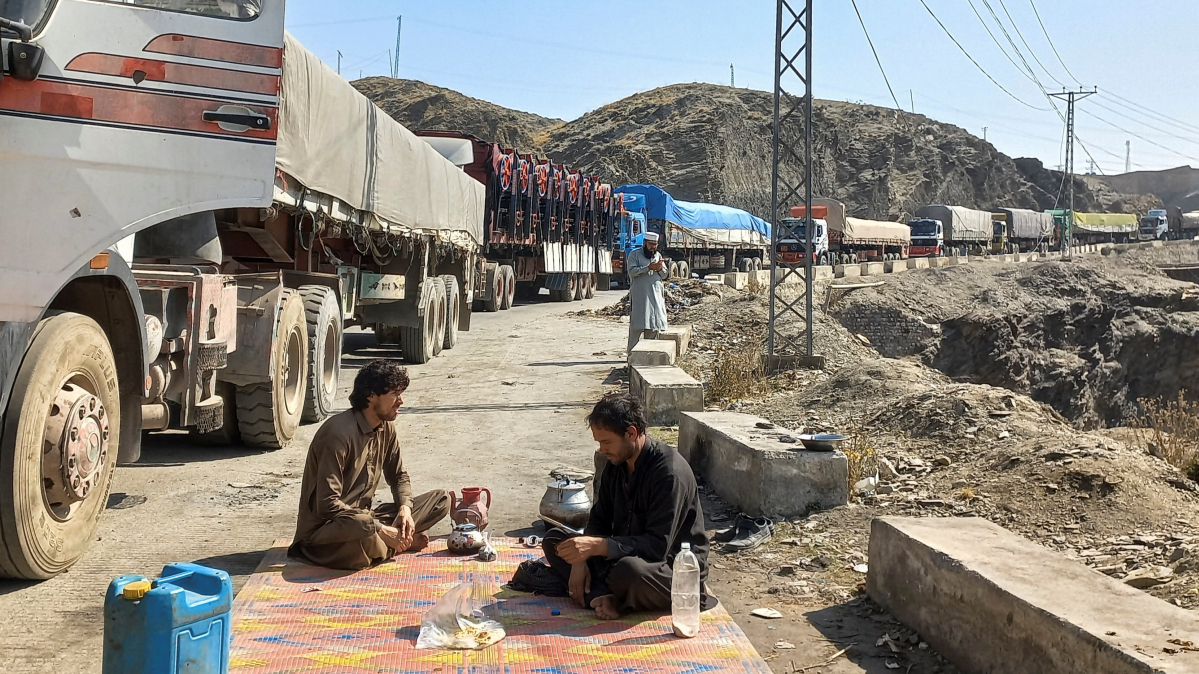
The diplomatic progress, however, comes amid twenty consecutive days of border closures at five major crossings.
Afghan local news reports indicate that more than 5,000 trucks loaded with fruit, vegetables, and other goods remain stranded, while traders report that perishables are decaying at both the Torkham and Chaman border crossings. Landlocked Afghanistan, reliant on Pakistani routes for imports, has been especially hard hit.
The Afghan Embassy in Islamabad said thousands of refugees remain stuck without food, water, or medical care, and that around 10,000 have been detained since the closures began.
The embassy reported several deaths, including children and a woman, and urged Pakistan to reopen crossings or temporarily halt deportations. It also appealed to international organisations to intervene and increase humanitarian assistance.
Mediators Türkiye and Qatar expressed appreciation for the “active contribution of both sides” and said they would continue to support efforts towards lasting peace and stability in the region.












What is your opinion on this topic?
Leave the first comment