Tensions between Afghanistan and Pakistan are showing no signs of waning after a weekend of clashes on the volatile Afghan border between the security forces of the two countries.
The clashes took place a day after Pakistan carried out airstrikes inside Afghanistan, targeting areas in Kabul and Paktika provinces on Friday night. In retaliation, Afghan security forces launched attacks on multiple Pakistani military outposts along the border.
Afghan Foreign Ministry said the fighting eventually stopped following mediation efforts by Qatar and Saudi Arabia.
Islamabad accuses Kabul of sheltering militant groups said to be behind the surge in attacks inside Pakistan. Kabul denies these allegations and maintains that no one is allowed to use Afghan soil to threaten other countries.
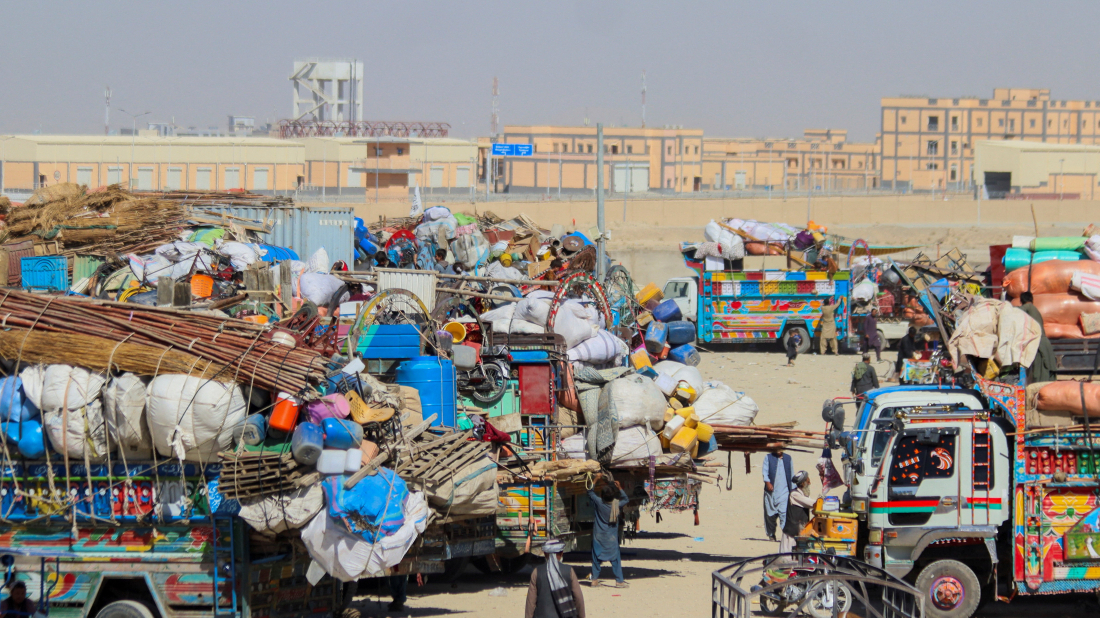
Although the clashes have ceased, tensions remain high as border crossings between Afghanistan and Pakistan are closed to all kinds of movement.
According to local Pakistani media outlets, only Afghan refugees returning from Pakistan are allowed to cross into Afghanistan via the Spin Boldak border crossing. More than 1.5 million Afghan refugees are expected to be repatriated from Pakistan.
The spillover effect from these border closures are affecting commerce, food imports and supply chains in Afghanistan. Although imports via Pakistan have significantly reduced due to repeated hurdles and border closures by the Pakistani side, a significant amount of goods still come through Pakistan.
On the political front, tensions are also high as Russia and China have both expressed concern and urged the two countries to show restraint.
At a briefing in Beijing, Foreign Ministry spokesperson Lin Jian said China “sincerely hopes both sides will focus on the broader picture, remain calm and restrained, resolve mutual concerns through dialogue and consultation, avoid further escalation, and jointly maintain peace and stability in both countries and the wider region.”
At the same time, the Russian Foreign Ministry said in a statement, “According to the latest information, the situation has been stabilising as of late. We welcome this process. We call upon Kabul and Islamabad to show restraint and resolve all differences through political and diplomatic methods.”
Local Afghan media have reported that Kabul has repeatedly rejected Pakistan’s requests for senior-level delegation visits to Afghanistan in the past three days.
Currently all border crossings remain sealed as tensions continue to run high, and both sides are under pressure to find ways to de-escalate before the situation worsens.














What is your opinion on this topic?
Leave the first comment