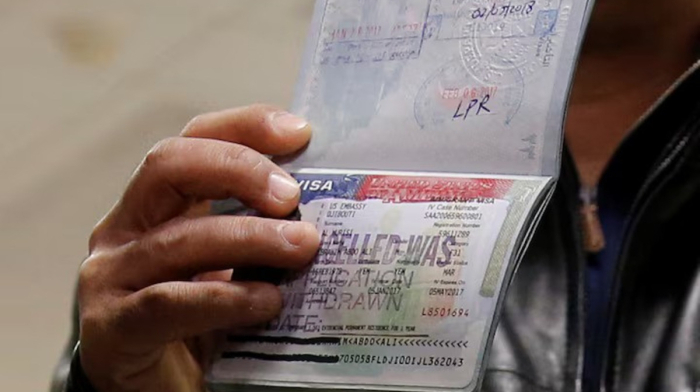
Israel, Colombia announce mutual visa exemption from September
Israel and Colombia will waive advance visa requirements for travellers from 1 September as the two countries move to restore diplomatic and econom...
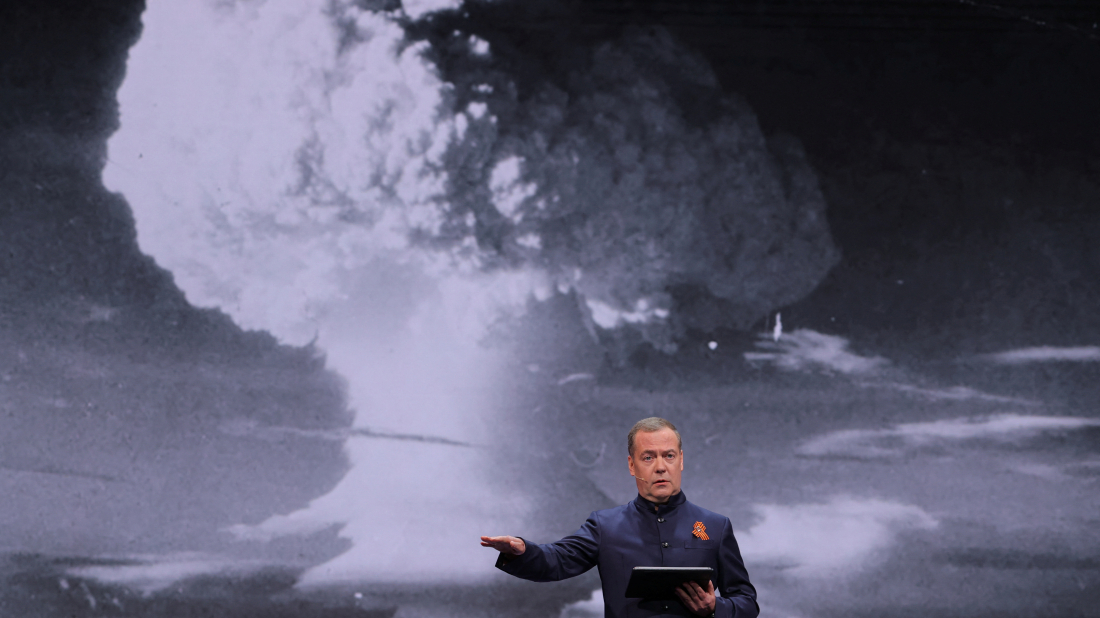
Former Russian President Dmitry Medvedev warned on Monday that Europe cannot afford a war with Russia, but if its leaders were to trigger one, it could spiral into a conflict involving weapons of mass destruction.
Writing on Telegram, Medvedev — now deputy chairman of Russia’s Security Council — said Moscow has no desire for such a confrontation, including with what he described as “frigid old Europe.” He claimed that European powers “simply cannot afford a war with Russia,” warning of the “risk of a fatal accident” that could tip events out of control.
Medvedev’s remarks come amidst heightened tensions between Moscow and NATO countries over the war in Ukraine, with Western leaders pledging further military support to Kyiv, including long-range missiles capable of striking deep inside Russian territory.
The Kremlin has repeatedly accused the West of pushing the world closer to a direct clash, while Medvedev in particular has used stark language to caution against what he frames as reckless escalation.
He added that such a conflict carries a very real danger of escalating into a war fought with weapons of mass destruction — rhetoric consistent with Moscow’s attempts to deter deeper Western involvement.

The collective-defence agreement between Türkiye, Saudi Arabia and Pakistan signals that regional powers no longer want to rely solely on external security guarantees. Whether it becomes a stabilising deterrent or another axis of rivalry remains unresolved.
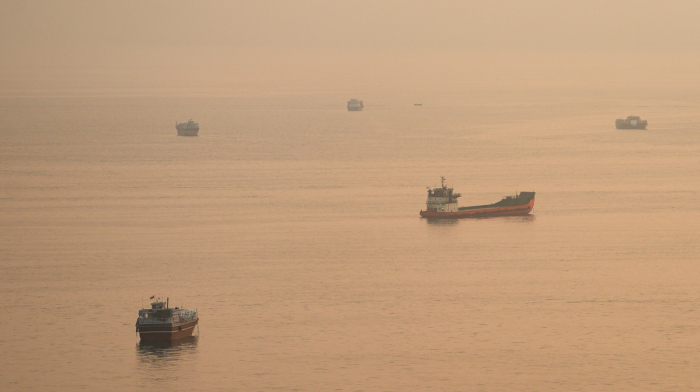
Shipping traffic through the Strait of Hormuz remains limited on Thursday, with no increase in vessel crossings as U.S.-Iran talks to resolve the conflict remained stalled. Nine commodity vessels transited the key waterway on Wednesday, unchanged from the previous day, according to Kpler data.
Shipping through the Strait of Hormuz has slowed, according to the latest data, as uncertainty over the waterway’s reopening kept most shipowners away. Six commodity vessels crossed the strait on Tuesday, down from nine the day before and below the 10-day daily average of 11.
Start your day informed with AnewZ Morning Brief. Here are the top news stories for the 19th of August, covering the latest developments.
Start your day informed with AnewZ Morning Brief. Here are the top news stories for the 20th of August, covering the latest developments.
South African human rights and environmental groups have urged the government to block Israeli-linked Navitas Petroleum from acquiring a stake in a major offshore oil block, citing concerns over the war in Gaza and environmental risks.
Israel and Colombia will waive advance visa requirements for travellers from 1 September as the two countries move to restore diplomatic and economic relations following years of tensions over the war in Gaza.
Shipping traffic through the Strait of Hormuz remains limited on Thursday, with no increase in vessel crossings as U.S.-Iran talks to resolve the conflict remained stalled. Nine commodity vessels transited the key waterway on Wednesday, unchanged from the previous day, according to Kpler data.
The United States imposed fresh sanctions on Hezbollah on Thursday, redesignating the Lebanese group over what Washington described as its actions on behalf of the Iranian government and targeting 10 people accused of moving cash for the group.
Australia on Thursday condemned Israel’s decision to close its criminal investigation into the deaths of Australian aid worker Zomi Frankcom and six World Central Kitchen colleagues killed in Gaza in April 2024.
You can download the AnewZ application from Play Store and the App Store.
What is your opinion on this topic?
Leave the first comment