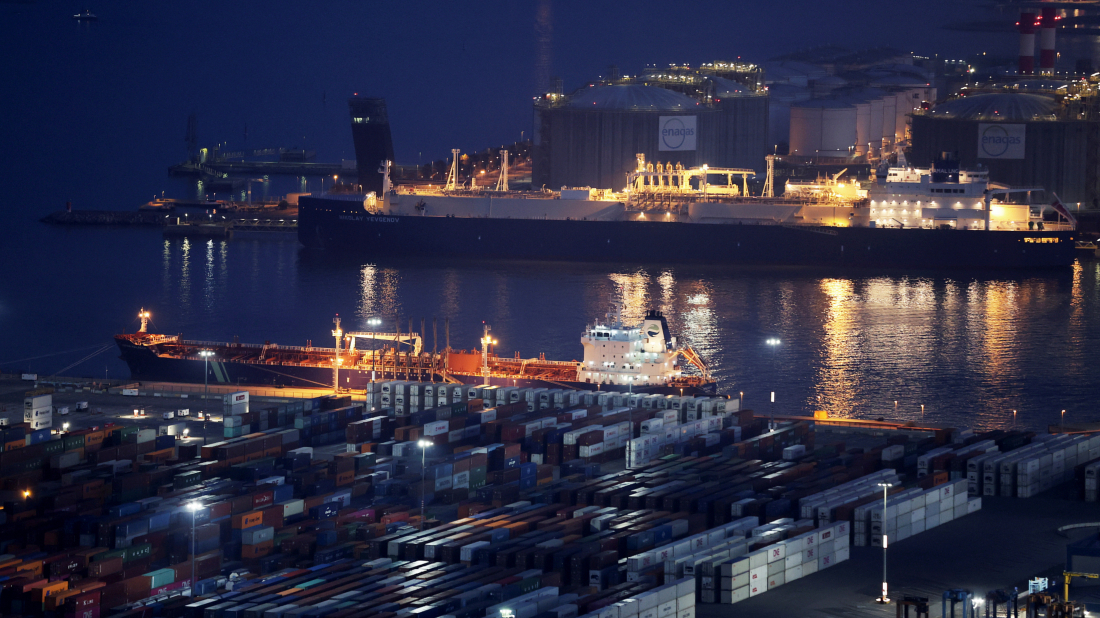
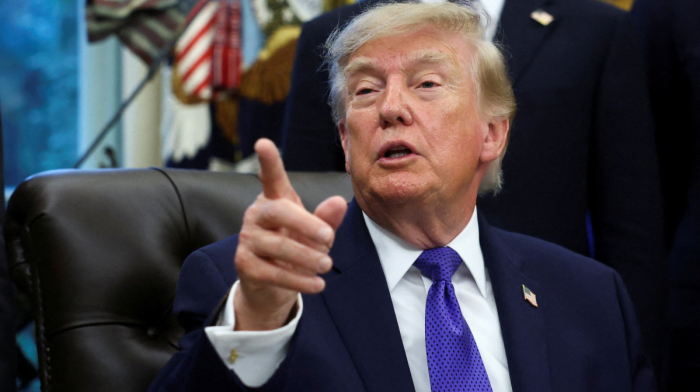
The European Union plans to ban Russian LNG imports into the bloc a year earlier than envisaged as part of a 19th package of sanctions against Moscow, EU officials said on Friday, a change that follows pressure from U.S. President Donald Trump.
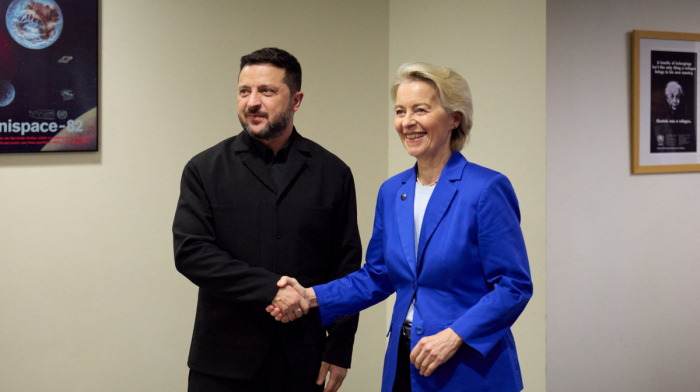
"Russia's war economy is sustained by the revenues from fossil fuels. We want to cut these revenues," said European Commission President Ursula von der Leyen, as she announced the proposal, which requires approval from EU governments.
"So we are banning imports of Russian LNG into European markets. It is time to turn off the tap," von der Leyen said.
Kaja Kallas, the EU's foreign policy chief, said on X that the aim was to "to speed up the phase-out of Russian liquefied natural gas (to be complete) by 1 Jan 2027".
The EU had previously planned a phase-out by 1 January, 2028, but Trump has repeatedly urged the bloc to end Russian energy purchases faster before he does anything further to pressure Moscow.
Sanctions in the EU need the unanimous approval of all 27 of its member states.
Beyond LNG, or liquefied natural gas, the proposed sanctions would also target more of Russia's shadow tanker fleet and cryptocurrency.
Von der Leyen and Kallas did not give full details of the new package, but officials said it would also target Russian and central Asian banks, Chinese refineries and special economic zones, a customs loophole used by Moscow to import dual-use goods for its military.
"We are now going after these who fuel Russia's war, who purchase oil in breach of sanctions," von der Leyen said.
"We target refineries, oil traders, petrochemical companies in third countries including China."
Kremlin spokesman Dmitry Peskov said on Wednesday that any EU proposal to phase out Russian energy more quickly would not affect Russia and would not force it to change its position.
Trump presses Europe to shoulder more of the cost of supporting Ukraine's military and to do more to cut off Moscow’s energy revenues that fund its war, in his efforts to help end Russia's war in Ukraine.
The proposal risks compelling EU countries to cover any shortfalls in LNG supplies through purchases from the United States, increasing their energy dependency on the U.S. in an era when Washington is using trade tariffs as a policy tool.
One European official said advancing the ban on Russian LNG became a "priority" after von der Leyen spoke with Trump this week.
Russia's share in EU imports of LNG decreased to 14% in the second quarter of 2025 from 22% in the first quarter of 2021, according to Eurostat. Spain, Belgium, the Netherlands and France import Russian LNG.
Gas piped via TurkStream goes to Slovakia, Hungary and Bulgaria.
Totalenergies CEO Patrick Pouyanne said last week that Russian gas was needed until the end of 2027, "then we can exit from that because we can source it from other places without impact on the price".















What is your opinion on this topic?
Leave the first comment