Inside Shusha prison: A journalist’s account of alleged torture
A new AnewZ documentary, 'Inside Shusha prison', highlights what is considered one of the most dreadful prisons during both the Russian Empire and the...
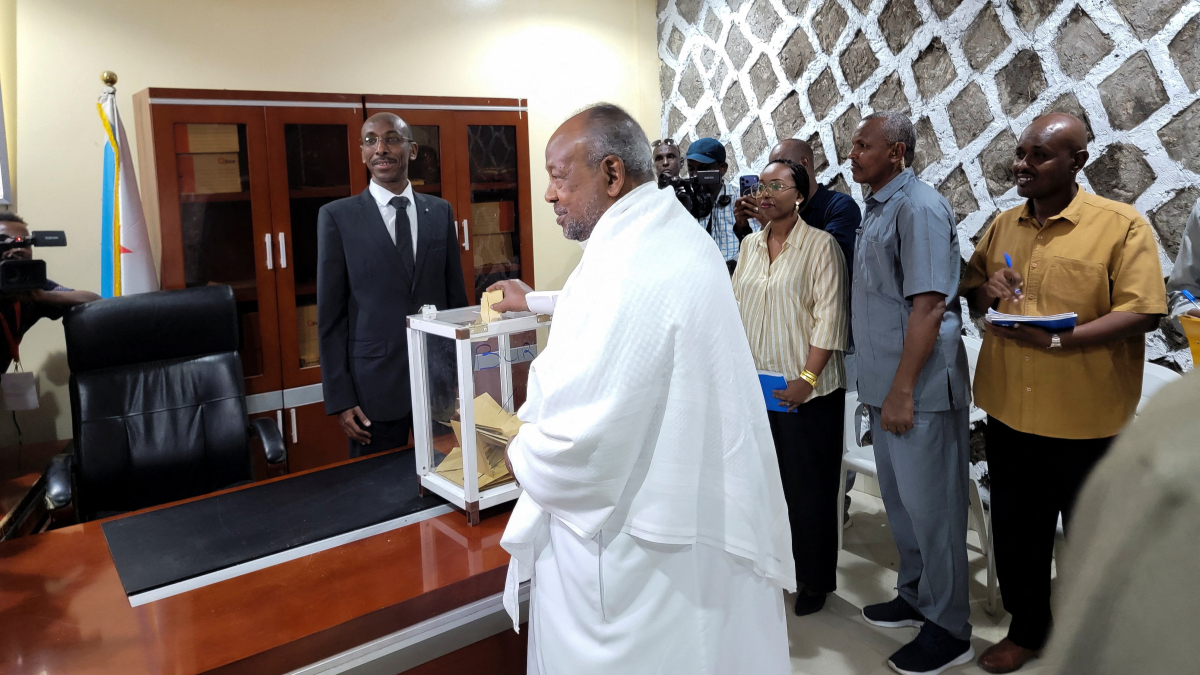
Ismail Omar Guelleh has been re-elected for a sixth term with 97.8% of the vote, according to state media, extending his nearly three-decade hold on power in the small but strategically significant East African nation.
The 78-year-old leader, who has governed Djibouti since 1999, confirmed the result in a brief post on X, sharing a photo of himself alongside the word “réélu” - French for “re-elected”. Official figures reported voter turnout at just over 80%.
Guelleh’s victory had been widely expected. His only challenger, Mohamed Farah Samatar, represents a minor party with no seats in parliament and secured just over 2% of the vote.
Major opposition groups have boycotted elections for years, citing concerns over fairness and transparency.
Last year, lawmakers removed the presidential age limit, allowing Guelleh to stand again, while also scrapping the requirement for a referendum on constitutional changes. Critics say such moves have further consolidated his grip on power, though the government denies accusations of democratic backsliding.
Despite political tensions, Djibouti has remained relatively stable compared with its neighbours. Positioned on the Gulf of Aden at the entrance to the Red Sea, the country hosts several foreign military bases and plays a key role in global shipping routes.
It has also invested heavily in port infrastructure, becoming a vital gateway for landlocked Ethiopia.
However, rights groups continue to accuse the authorities of suppressing dissent, targeting journalists and limiting political freedoms - claims the government strongly rejects.
For many in Djibouti, the latest result signals continuity rather than change, with Guelleh set to remain at the helm of a country whose strategic importance far outweighs its size.

Start your day informed with AnewZ Morning Brief. Here are the top news stories for the 5th of August, covering the latest developments.
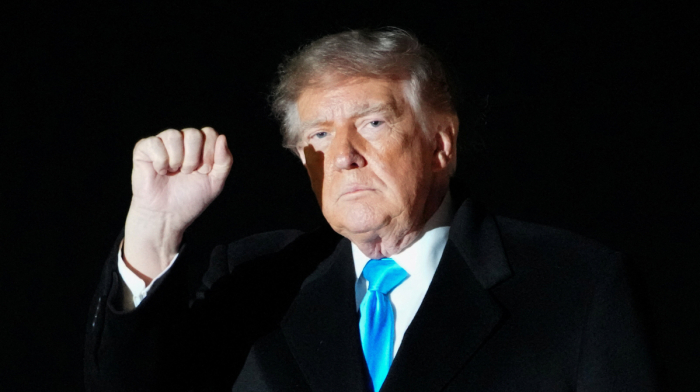
U.S. President Donald Trump said there was an "all-day negotiation" on Tuesday with Iran, characterising the talks positively while also threatening to hit Iran "really hard" if a deal was not reached.
Shipping traffic through the Strait of Hormuz and the Bab el-Mandeb Strait, two key maritime chokepoints in the region, decreased significantly from the previous day, according to shipping data.
Kazakhstan’s main oil export corridor was disrupted by drone strikes near Russia’s Black Sea coast in July, forcing a temporary suspension of crude loadings and raising fresh concerns over the vulnerability of regional energy infrastructure to the war in Ukraine.
Start your day informed with AnewZ Morning Brief. Here are the top news stories for the 6th of August, covering the latest developments.
The UK government announced a new package of sanctions on Thursday (6 August) aimed at disrupting Russia's financial sector and oil exports, expanding pressure on Moscow more than four years after its full-scale invasion of Ukraine.
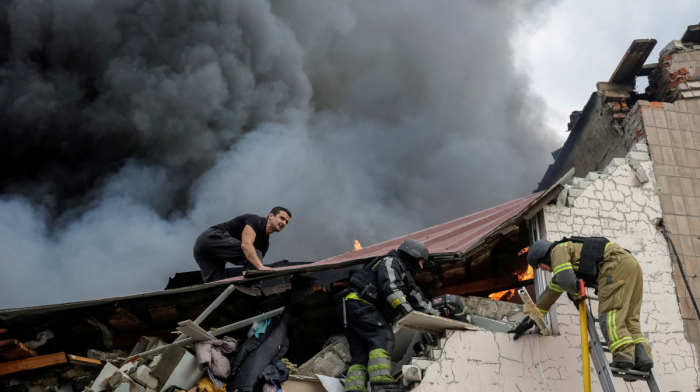
Ukraine’s National Security and Defense Council (NSDC) has approved Kyiv’s Resilience Plan for the autumn-winter season, aimed at strengthening the capital’s ability to withstand continued Russian attacks and ensuring the uninterrupted operation of critical services.
Extreme heat and historically low river levels are forcing nuclear power plants across southeast Europe to reduce output, increasing pressure on already strained electricity supplies and prompting governments to urge lower power consumption.
A powerful El Niño weather event could push nearly 49 million more people into acute food insecurity across some of the world's most vulnerable regions by the end of 2027, the UN's World Food Programme (WFP) has warned.
Ukraine has received only about one-third as many air-defence missile interceptors from its allies in 2026 as it did in 2025, President Volodymyr Zelenskyy said, as intensified Russian attacks expose widening gaps in the country's air defences.
You can download the AnewZ application from Play Store and the App Store.
What is your opinion on this topic?
Leave the first comment