




23:25 CET
Nigeria confirms Ebola case in Abuja
Nigerian health authorities have confirmed a case of Ebola disease in the Federal Capital Territory (FCT)...
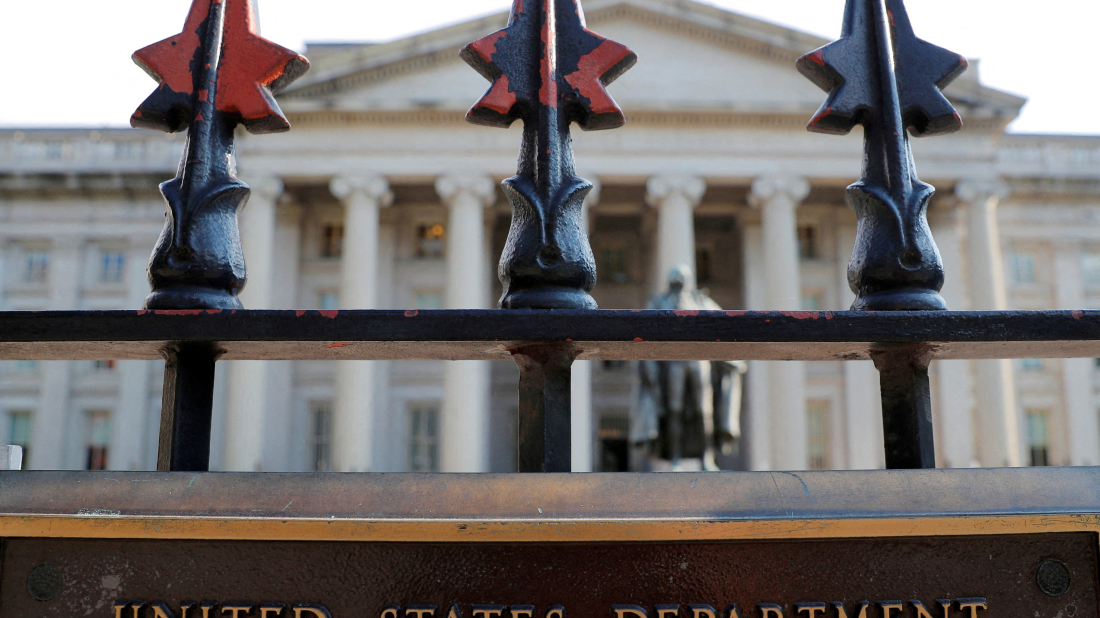


U.S. Treasury and State Department officials held talks on Thursday in Washington with Syrian Foreign Minister Asaad Hassan al-Shaibani, the Treasury Department announced.
The visit, the first by a Syrian foreign minister to the United States in more than 25 years, comes as Damascus seeks the permanent lifting of remaining U.S. sanctions.
“Treasury is working with Syria to responsibly and safely reconnect its economy to the global financial system while combating the financing of terrorism,” the department said in a post on X, the U.S. social media platform formerly known as Twitter.
Those present included U.S. Ambassador to Türkiye and Special Envoy for Syria Tom Barrack, senior Treasury officials, and members of Shaibani’s delegation, including Qutaiba Idlbi, director of American affairs at the Syrian Foreign Ministry.
According to Axios, Shaibani is scheduled to meet U.S. senators to discuss the permanent removal of sanctions imposed under the Caesar Syria Civilian Protection Act of 2019, which targeted the Assad government for war crimes during the civil war.
President Donald Trump issued an executive order on 30 June to terminate the U.S. sanctions programme on Syria, though measures linked to human rights abuses, chemical weapons activity and drug trafficking remain in place.
The visit follows Trump’s announcement in May 2025 at a Saudi investment forum that he intended to lift the “brutal and crippling” Syria sanctions. A day later, Trump met Syrian President Ahmad al-Sharaa in Saudi Arabia, marking the first meeting between U.S. and Syrian leaders in 25 years.

Nigerian health authorities have confirmed a case of Ebola disease in the Federal Capital Territory (FCT)...
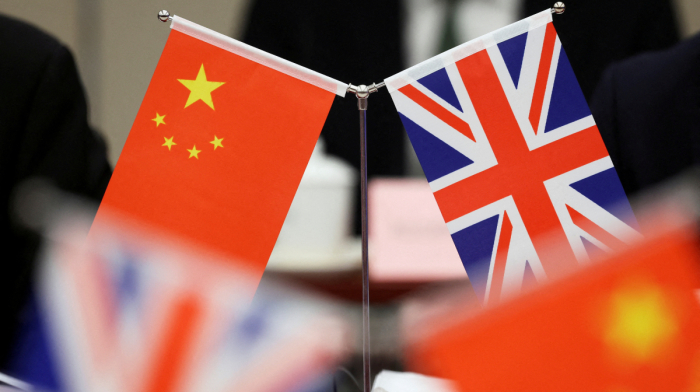
China has lodged a formal diplomatic protest with the UK after British border officials allegedly subjected Chinese travellers to lengthy questioni...
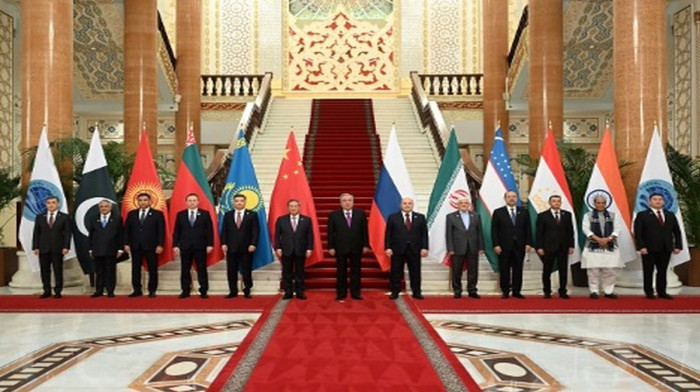
Member states of the Shanghai Cooperation Organisation (SCO) prevented 273 terrorist attacks and more than 3,000 crimes linked to terrorism, separa...
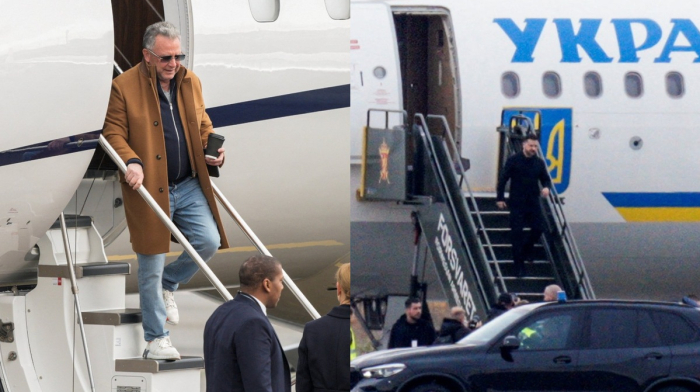
Ukrainian President Volodymyr Zelenskyy has arrived in Norway for talks about the Russia-Ukraine war. He is expected to meet with U.S. President Donald Trump's Special Envoy Steve Witkoff, who arrived in Oslo earlier. Witkoff will also meet European officials.
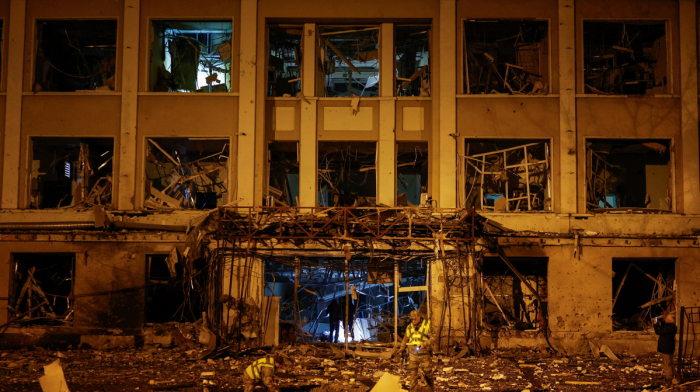
U.S. President Donald Trump has criticised Ukrainian President Volodymyr Zelenskyy for continuing to target Russia's energy infrastructure, while Russian strikes on Kyiv overnight killed at least one person and damaged a metro station.

French President Emmanuel Macron has condemned the violence, looting and vandalism that erupted during cost-of-living protests across France. Prime Minister Sébastien Lecornu held crisis talks on Monday, calling for partial curfews and raising the possibility of a state of emergency.

An oil tanker caught fire after striking a naval mine in the southern part of the Strait of Hormuz, Iran’s Islamic Revolutionary Guard Corps (IRGC) Navy said late Sunday.
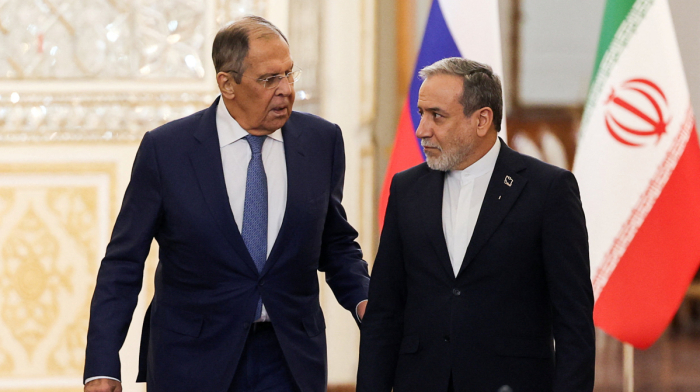
Iranian Foreign Minister Abbas Araghchi said regional issues should be resolved through diplomacy and blamed the United States for insecurity and tensions in the Strait of Hormuz, speaking at a joint news conference with Russian Foreign Minister Sergey Lavrov on Monday.
Nigerian health authorities have confirmed a case of Ebola disease in the Federal Capital Territory (FCT), prompting the activation of emergency public health measures aimed at preventing further transmission of the deadly virus.
China has lodged a formal diplomatic protest with the UK after British border officials allegedly subjected Chinese travellers to lengthy questioning and seized personal electronic devices, including phones, laptops and smartwatches.
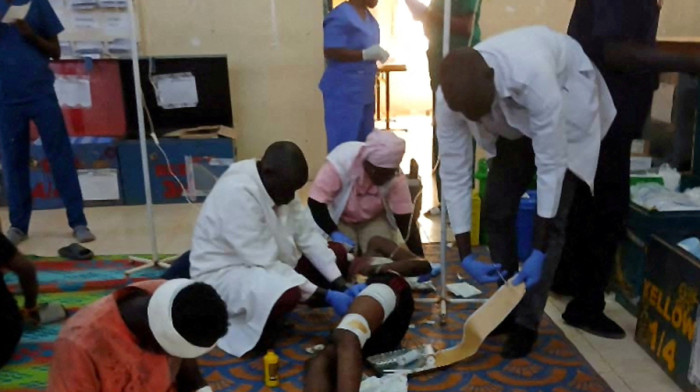
More than 150 people have been killed in a drone strike on a crowded market in the disputed Abyei region, South Sudanese officials said, marking one of the deadliest attacks linked to Sudan's civil war since it began in April 2023.
Ukrainian President Volodymyr Zelenskyy has arrived in Norway for talks about the Russia-Ukraine war. He is expected to meet with U.S. President Donald Trump's Special Envoy Steve Witkoff, who arrived in Oslo earlier. Witkoff will also meet European officials.
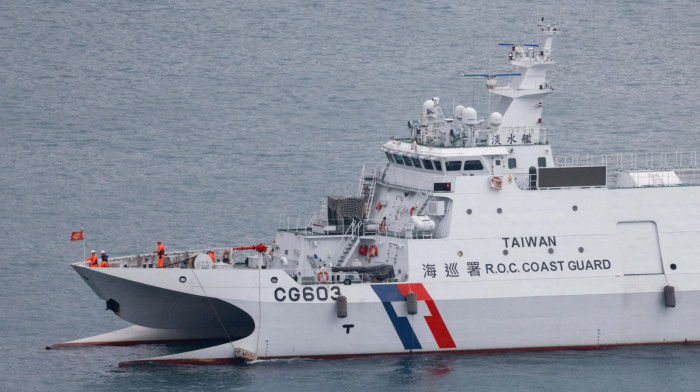
Beijing says it deployed naval forces to monitor a U.S. warship near Sabina Shoal, while Taiwan reports a separate confrontation with a Chinese coast guard vessel near the Pratas Islands.
You can download the AnewZ application from Play Store and the App Store.




What is your opinion on this topic?
Leave the first comment