Kazakhstan vows to fast-track AZAL crash investigation amid rising diplomatic tensions
Kazakhstan has vowed to speed up its investigation into the Azerbaijan Airlines (AZAL) crash near Aktau, as mounti...
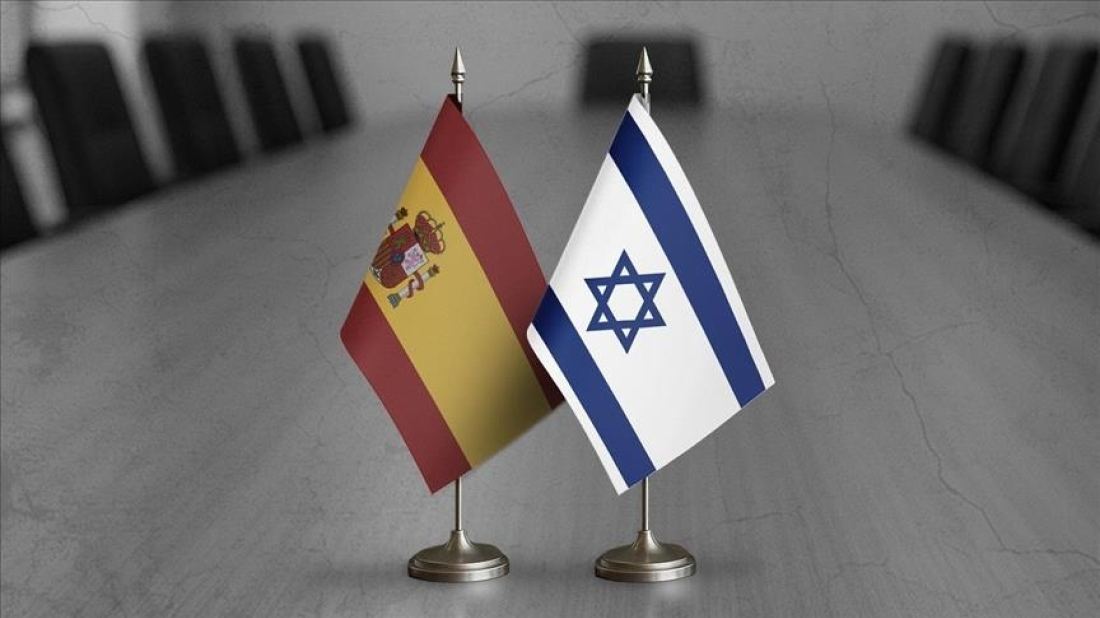
Diplomatic tensions between Spain and Israel have escalated sharply, with Madrid recalling its ambassador from Tel Aviv on Monday. The move came after the Israeli government accused Spain of antisemitism and barred two Spanish ministers from entering the country.
Spanish Foreign Minister José Manuel Albares said the decision was taken in response to “slanderous accusations and unacceptable measures against two members of the government.”
Earlier the same day, Prime Minister Pedro Sánchez described events in Gaza as “genocide” and announced nine measures aimed at halting it. These include a permanent arms embargo, a ban on imports from occupied territories, and prohibiting individuals involved in the war from entering Spain.
Israeli Foreign Minister Gideon Sa’ar, writing on social media platform X, branded the Spanish government “antisemitic” and declared that Deputy Prime Minister Yolanda Díaz and Youth Minister Sira Rego would be denied entry to Israel. Díaz retorted: “It is a point of pride that a genocidal state is banning me.”
Later on Monday, Spain condemned a terrorist attack in Jerusalem which killed six people, including a Spanish national.
The diplomatic row deepened as Spain recalled its envoy, prompting Sa’ar to write: “Sánchez has messed with the wrong people. The days of the Inquisition, persecution and expulsion are over. Israel is a strong and sovereign country.”

The Kremlin is utilising the recent United States and Israeli military strikes on Iran to validate its ongoing war in Ukraine. Russian officials are pointing to the escalation in the Middle East as evidence that Western nations do not adhere to international rules.
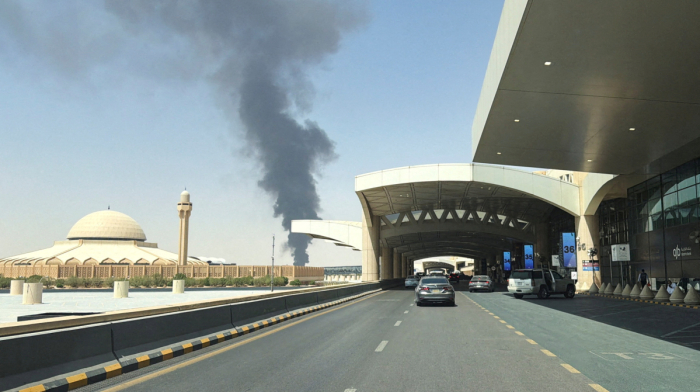
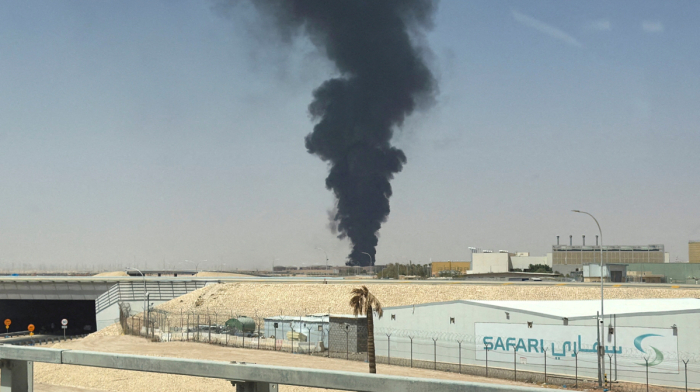
Saudi Arabia’s state oil giant Saudi Aramco closed its Ras Tanura refinery on Monday following an Iranian drone strike, an industry source told Reuters as Tehran retaliated across the Gulf after a U.S.-Israeli attack on Iranian targets over the weekend.
The Middle East crisis intensifies after the deadly attack on the compound of the Supreme Leader of Iran Ali Khamenei on Saturday that killed him, other family members and senior figures. Iran has launched retaliatory strikes on U.S. targets in the region.
U.S. President Donald Trump said the U.S. military has enough stockpiled weapons to fight wars "forever"; in a social media post late on Monday. The remarks came hours before conflict in Iran and the Middle East entered its fourth day.
Türkiye raised its security level for Turkish-flagged vessels in the Strait of Hormuz to Level 3 on Sunday (2 March). The development follows Iranian restrictions on shipping after U.S. and Israeli strikes and confirmation of Supreme Leader Ali Khamenei’s death.
Strikes across the Middle East are intensifying, fuelling travel disruption, driving up global energy prices and forcing diplomatic missions to shut their doors as tensions continue to rise.
U.S. President Donald Trump has said the United States has a “virtually unlimited supply” of munitions and is capable of sustaining military action indefinitely, as the conflict with Iran entered its fourth day.
The United Nations has called for an investigation into a deadly attack on a girls’ primary school in Iran, which Iranian officials say has killed more than 100 children. The U.S. has said its forces “would not” deliberately target a school.
U.S. first lady, Melania Trump chaired a UN Security Council meeting on children and education in conflict on Monday (2 March), a move criticised by Iran as hypocritical following U.S. and Israeli strikes that triggered a UN warning about risks to children.
Start your day informed with AnewZ Morning Brief. Here are the top news stories for the 3rd of February, covering the latest developments you need to know.
You can download the AnewZ application from Play Store and the App Store.
What is your opinion on this topic?
Leave the first comment