G7 set to discuss climbing oil prices, release of emergency reserves
The Group of Seven (G7) finance ministers will meet on Monday to discuss a global rise in oil prices and a joint r...
Google services including YouTube, Gmail and Maps were restored on Thursday following a widespread outage that left millions of users across dozens of countries unable to access key platforms.
Monitoring site DownDetector reported a sharp surge in complaints at around 10:00 local time (07:00 GMT), as users struggled to connect to Chrome, Google Translate and other services. The disruption, which lasted for about an hour, eased at roughly 08:00 GMT.
Turkey’s Deputy Minister of Transport and Infrastructure, Ömer Fatih Sayan, confirmed the outage, saying it had affected both Türkiye and much of Europe.
“Google, Android and related services are experiencing an outage across Türkiye and Europe. Our National Cyber Incident Response Centre has requested a technical report from Google regarding the cause. We are monitoring the situation closely,” Sayan said.
Google has not yet commented on the cause of the outage.
Outage tracker Outage Report noted:
“There was a surge in reports starting at 07:10 GMT and lasting for the past hour. We received complaints from Türkiye, Bulgaria, Greece, Georgia, Croatia, Serbia, Armenia, Romania, the Netherlands, Germany and 38 other countries.”
Some users also reported difficulty accessing Spotify during the blackout.

Trump says the United States "don’t need people that join wars after we’ve already won," targeting his criticism at UK Prime Minister Keir Starmer. Israel continues to fire missles at strategic sites in Iran and Gulf regions report more strikes from Iran.
Baku has completed its evacuation of staff from the Azerbaijan Consulate General in Tabriz, while most employees from the Azerbaijan Embassy in Tehran have also returned.
Tehran’s Mehrabad Airport came under attack in heavy airstrikes on early Saturday morning (7 March), Iranian news agencies reported.
U.S. President Donald Trump threatened further attacks on Iran on Saturday (7 March), while the United Arab Emirates and Saudi Arabia continued to shoot down missiles in their airspace. Meanwhile, Iran’s President Masoud Pezeshkian said Tehran would stop attacking its neighbours.
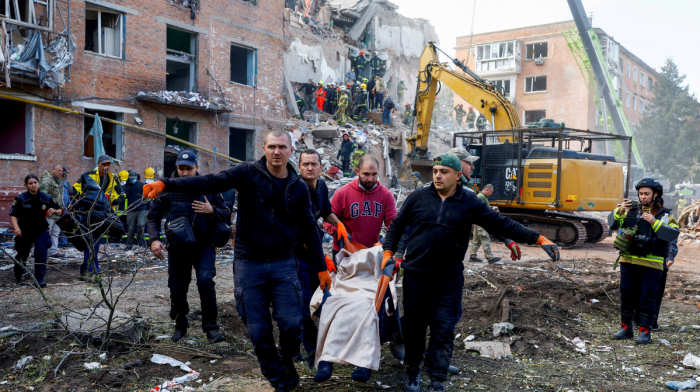
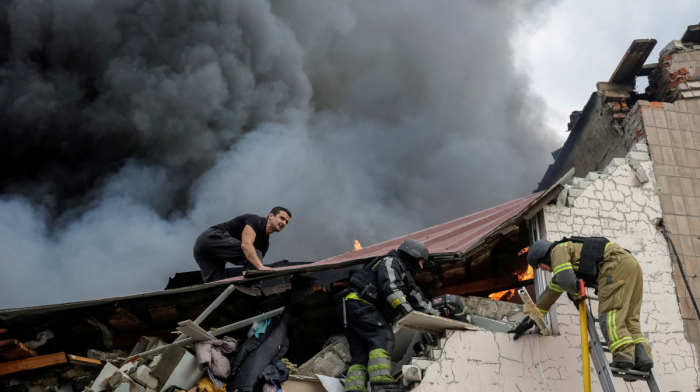
Russian attacks on Ukraine’s second largest city in the early hours of Saturday (7 March) killed 10 people, including two children. Kharkiv mayor, Ihor Terekov, said 10 residents died after a Russian ballistic missile hit a five storey apartment block in the city.
The Group of Seven (G7) finance ministers will meet on Monday to discuss a global rise in oil prices and a joint release of oil from emergency reserves coordinated by the International Energy Agency, the Financial Times reports.
Recent operations by the U.S. military have led some to believe that a decapitating strike is a silver bullet capable of fixing any foreign policy problem swiftly. However, this logic is flawed, and the risks of relying on swift, targeted actions are too great to ignore.
Start your day informed with AnewZ Morning Brief. Here are the top news stories for the 9th of March, covering the latest developments you need to know.
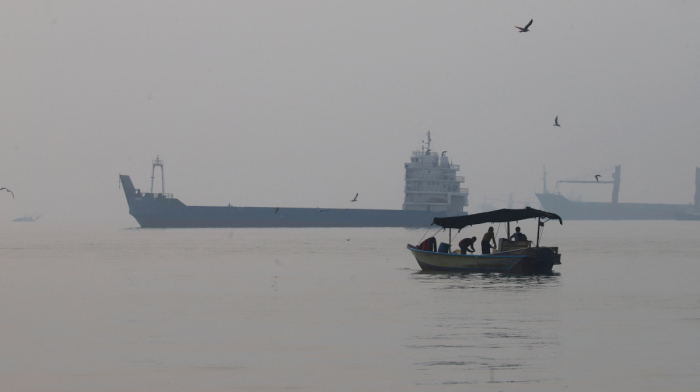
Global oil prices have surged past $110 a barrel this Monday as fresh U.S.-Israeli strikes hit multiple targets, including oil depots. Stock markets fell on fears the conflict with Iran could disrupt shipments through the Strait of Hormuz, raising concerns over global energy supply.
The U.S. embassy in Oslo was hit by a loud explosion early on Sunday (8 March), causing minor damage but no injuries, in what may have been a deliberate attack linked to the crisis in the Middle East, Norwegian police said.
You can download the AnewZ application from Play Store and the App Store.
What is your opinion on this topic?
Leave the first comment