AnewZ Morning Brief - 7 January, 2026
Start your day informed with AnewZ Morning Brief: here are the top news stories for the 7th of January, covering the latest developments you need to k...
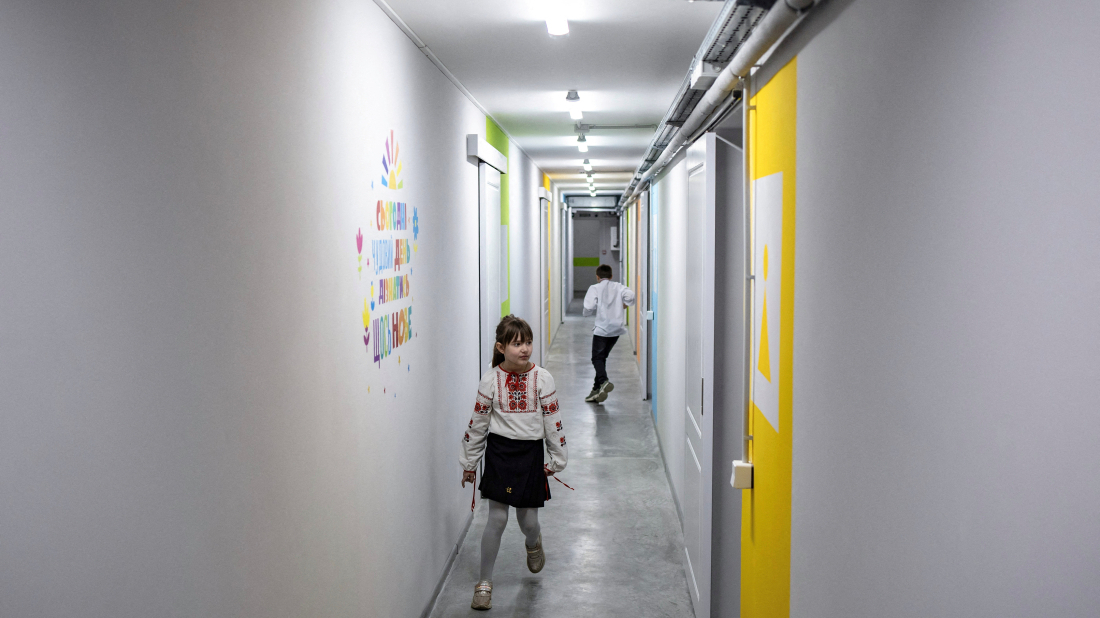
The sound of a school bell echoes not through hallways, but through tunnels. In Kharkiv, Ukraine’s second-largest city, childhood has moved underground.
Seventeen thousand children now descend flights of stairs each morning. Hand in hand. Step by step. Their classrooms are three floors down, shielded from the missiles above.
Anastasia Pochergina’s daughter walked into school for the first time. A first grader, in the deepest school in Northern Saltivka, a suburb scarred by strikes. “As a parent, I was desperate,” she said. “This is the safest place. We never expected it would be possible.”
The tradition of 1 September remains. Pupils arrive with flowers, gifts for teachers. Yet instead of sunlight and courtyards, they enter concrete chambers lit by artificial light. “We expected things to get better,” Pochergina said. “But not peace. We do not build illusions.”
Teachers hurry children through the doors. The youngest cling to older hands. In the classrooms, lessons begin as if nothing outside exists, art, numbers, games. Childhood is rehearsed, even in war.
Mayor Ihor Terekhov calls it survival through routine. Six metro stations have been remade as schools. Three more will open soon. “This one alone has 1,500 students,” he said. “The depth matters. That is what keeps them safe.”
For six-year-old Maria Yampolska, it was her first day of school. Asked how it compared to kindergarten, she answered with disarming honesty: “I never went. Because of the war.”

Germany’s foreign intelligence service secretly monitored the telephone communications of former U.S. President Barack Obama for several years, including calls made aboard Air Force One, according to an investigation by the German newspaper Die Zeit.
Israeli media report that Israeli Prime Minister Benjamin Netanyahu chaired a lengthy security meeting that reportedly focused on the country’s regional threats, including Gaza, Lebanon, and Iran.
At the end of last year, U.S. President Donald Trump was reported to have raised the Azerbaijan–Armenia peace agenda during a conversation with Israel’s prime minister, warning that if peace were not achieved, Washington could raise tariffs on both countries by 100 percent.
President Ilham Aliyev said 2025 has politically closed the Armenia-Azerbaijan conflict, as a Trump-era reset in U.S. ties, new transport corridors and a push into AI, renewables and defence production reshape Azerbaijan’s priorities.
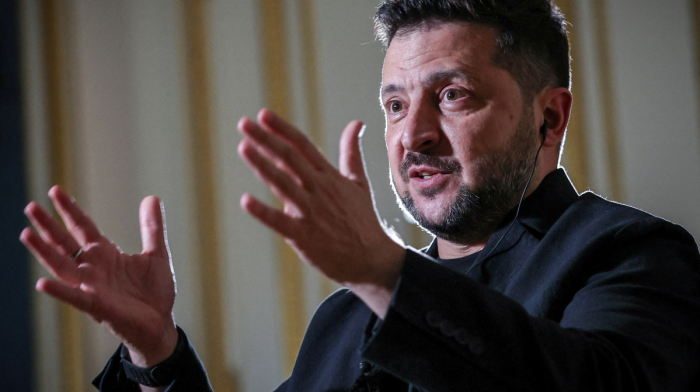
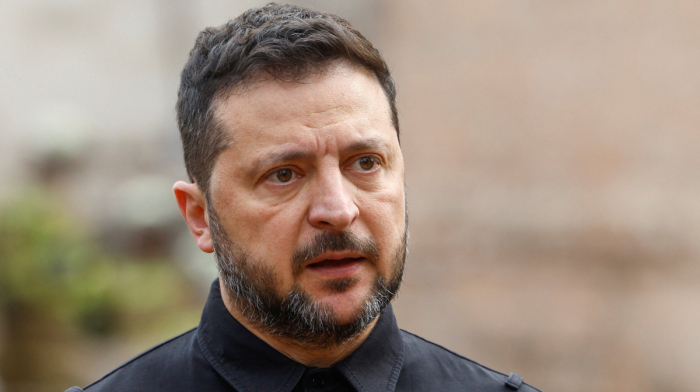
Dmitry Medvedev has warned that Ukrainian President Volodymyr Zelenskyy could face the same fate as Venezuelan leader Nicolás Maduro, following what he described as a U.S. ‘abduction’ of the Venezuelan president.
Start your day informed with AnewZ Morning Brief: here are the top news stories for the 7th of January, covering the latest developments you need to know.
South Korean President Lee Jae Myung said on Wednesday (7 January), that significant progress has been made in restoring trust with China. He also reiterated that relations with Japan are equally important for Seoul’s diplomacy amid shifting regional dynamics.
A magnitude 6.7 earthquake has struck off the southern Philippines, with no immediate reports of damage or injuries, the U.S. Geological Survey (USGS) has said.
U.S. President Donald Trump and his team say they're actively exploring options to acquire Greenland, with discussions including the potential use of U.S. military, which is "always an option," according to a statement from the White House on Tuesday.
Leaders from the U.S. and European countries moved closer to finalising legally binding security guarantees for Ukraine following a “Coalition of the Willing” meeting in Paris on Sunday.
You can download the AnewZ application from Play Store and the App Store.
What is your opinion on this topic?
Leave the first comment