live Iran warns of confrontation if U.S. blockade persists - Thursday, 30 April
A senior adviser to Iran’s Supreme Leader warned the U.S. port blockade would fail, saying Tehran has ways to bypass it and could turn to con...
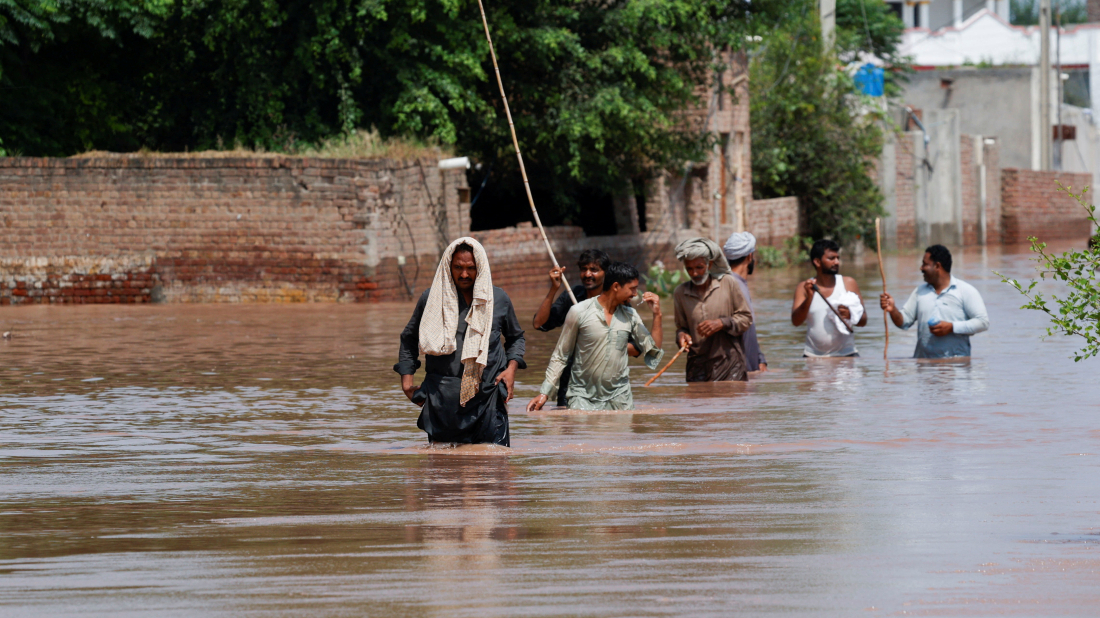
Catastrophic flooding in Pakistan has affected 1.5 million people, with more than 850 deaths reported this monsoon season, as swollen rivers devastate villages and force mass displacement.
Pakistan’s National Disaster Management Authority reported on Sunday that severe flooding has struck thousands of villages in the northeast, impacting 1.5 million people.
Torrential rain combined with India’s release of excess dam water caused the Ravi, Sutlej, and Chenab rivers to overflow, flooding more than 1,400 villages in Punjab, including parts of Lahore.
Across Punjab, families are struggling to recover after unprecedented flooding submerged villages, homes, and farmland.
Muhammad Amjad, a rice and potato farmer in Chiniot, said, "Thirteen of my 15 acres are gone. Our rice is completely destroyed. Women and children have evacuated. Men are left guarding what remains."
Thousands of homes have been destroyed, and displaced families are sheltering in temporary camps.
The floods compound economic pressures in a country where inflation had recently eased. Analysts say delayed wheat sowing, reduced rice exports, and the need to import cotton could worsen food prices.

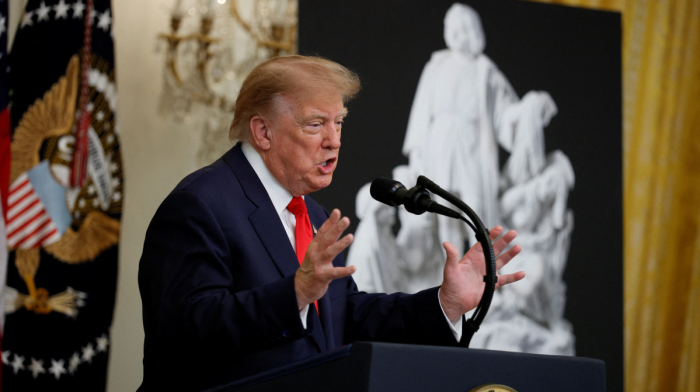
A Pentagon official provided the first official estimate of the cost of the U.S. war in Iran on Wednesday (29 April), telling lawmakers that $25 billion had so far been spent on the conflict, most of it on munitions. Earlier, Donald Trump said that the U.S. had "militarily defeated" Tehran.
Tensions between the United States and Iran remain high after a U.S. official said President Donald Trump was unhappy with a proposal from Tehran that does not deal with its nuclear programme. Washington is insisting that any talks must address Iran’s nuclear activities.
The decision by the United Arab Emirates to leave OPEC+ on 1 May has put renewed focus on one of the most influential groups in global energy - and how its decisions can shape oil prices worldwide.
Mexican special forces arrested Audias Flores, known as “El Jardinero”, a senior commander of the powerful Jalisco New Generation Cartel (CJNG), during an operation in the western state of Nayarit, Security Minister Omar García Harfuch said on Monday (27 April).
The United Arab Emirates has said it's quitting OPEC from 1 May, dealing a major blow to the oil producers’ group and its de facto leader, Saudi Arabia, amid disruption caused by the Iran war.
Britain's King Charles and Queen Camilla commemorated victims of the 11 September, 2001, an al Qaeda attack on New York City on Wednesday, laying a floral bouquet at the memorial where the World Trade Centre's twin towers once stood.
Two Jewish men have been stabbed in London in an incident that British police are treating as a terrorist attack.
Reversing a decade of restrictions, New South Wales has opened new areas for gas exploration in its remote west. The move reflects growing concern over future energy supply across Australia’s east coast.
Travel demand across China is expected to remain robust during the upcoming five-day Labour Day holiday starting 1 May.
Start your day informed with the AnewZ Morning Brief. Here are the top stories for the 29th of April, covering the latest developments you need to know.
You can download the AnewZ application from Play Store and the App Store.
What is your opinion on this topic?
Leave the first comment