Iran: 'No enemy troops should survive if adversaries attempt a ground operation' - Middle East conflict on 2 April
Fears of wider escalation grow despite President Donald Trump saying U.S. strikes on Iran could end within weeks. Meanwhile ...
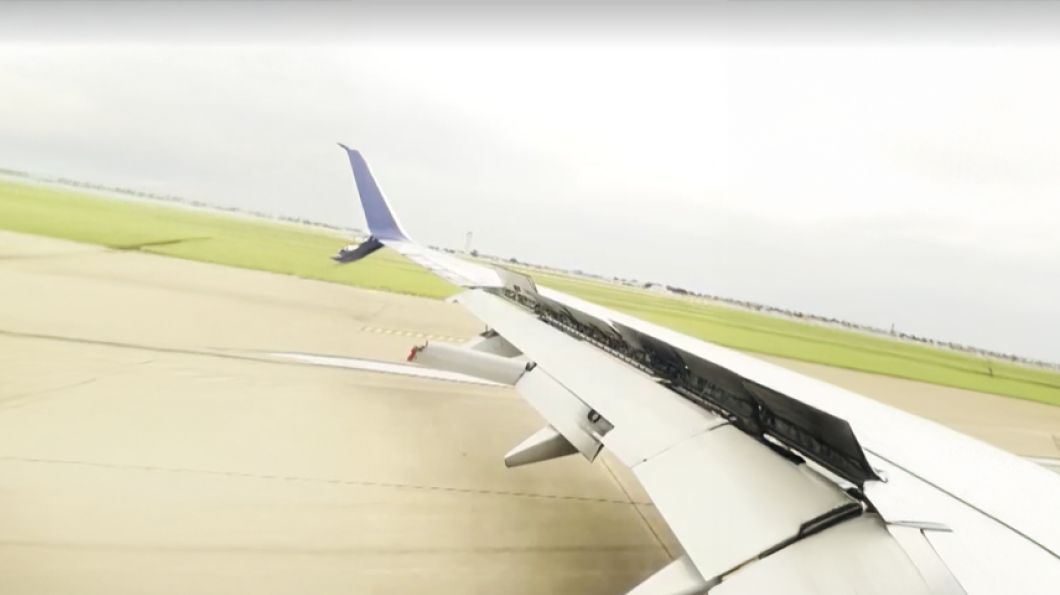
A wing flap partially detached from Boeing 737 during a Delta Air Lines Flight as the plane approached Austin-Bergstrom International Airport in Texas on Tuesday.
Delta Air Lines confirmed that Flight 1893, flying from Orlando to Austin, landed safely and that the aircraft has been taken out of service for maintenance. There were 62 passengers and six crew members onboard, and no injuries are reported.
After landing, the airline said in a statement that "it was observed that a portion of the left wing's flap was not in place."
"The aircraft has been taken out of service for maintenance," they concluded in their statement referenced by CNN.
The US Federal Aviation Administration (FAA) is investigating the incident and Delta has agreed to fully cooperate.
A passenger captured video of the partially detached flap dangling from the wing as the plane approached the airport.
"We felt it was bad turbulence. The plane was shaking," passenger Shanila Arif told CNN.
"The lady in front of us opened the window and told us it is broken. I opened the window and got scared."
Aircraft wings flaps are movable surfaces on the wing's trailing edge that help a plane slow down and maintain lift during takeoff and landing, according to the FAA.
Partial wing flaps detaching in flight are extremely rare and could pose serious risks.
Such detachments can sometimes result from mechanical and structural issues, which are usually identified in maintenance checks.
FAA experts note that flap mechanisms are routinely inspected, as they endure repeated stress during takeoff and landing.
The FAA has investigated similar structural incidents in the past, including rare cases of wing components loosening during flight.

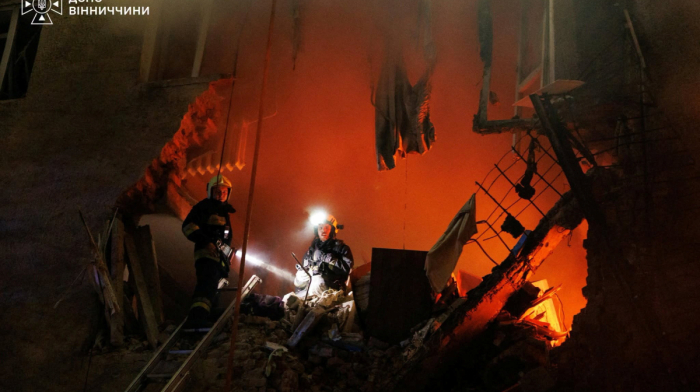
There are fears of an oil spill after a drone strike hit a Kuwaiti oil tanker near Dubai on Tuesday, while U.S.-Israeli strikes in Iran reportedly killed at least two people. A loud explosion was heard in Beirut in southern Lebanon early Wednesday, as oil prices climbed above $100 a barrel.
Fears of wider escalation grow despite President Donald Trump saying U.S. strikes on Iran could end within weeks. Meanwhile missile attacks, tanker incidents and rising casualties across Israel, Lebanon and the Gulf heighten risks to regional stability and energy routes.
Russian-flagged tanker carrying approximately 700,000 barrels of crude oil docked at Cuba's Matanzas oil terminal on Tuesday, shipping data confirmed, marking a vital and controversial delivery to an island paralysed by severe energy shortages and a suffocating U.S. blockade.
A Russian military An-26 aircraft has crashed in Crimea, killing all 30 people on board, Russia’s Defence Ministry has confirmed.
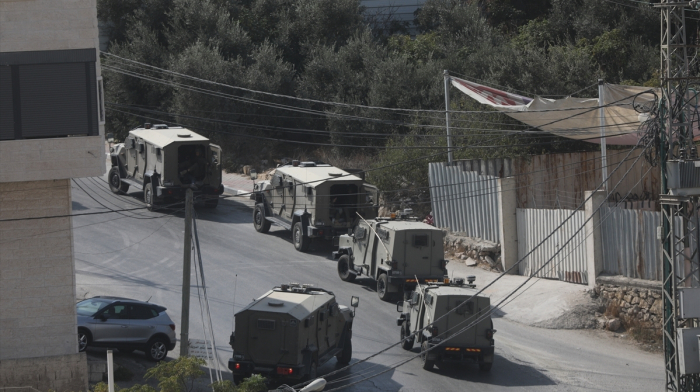
Explosions were heard in the Syrian capital Damascus as Israeli air defences intercepted Iranian missiles, Syrian state television reported on Tuesday.
In a dramatic shake-up at the top of the U.S. Justice Department, President Donald Trump has removed Attorney General Pam Bondi from her post, a White House official confirmed on Thursday.
American President Donald Trump threatened on Wednesday to pull the United States out of NATO after European nations refused to join a U.S.-led naval mission to unblock the Strait of Hormuz.
France has unveiled a delayed wave of renewable energy tenders to boost energy independence and strengthen domestic and European industry.
China is emerging as one of the more stable economies amid the latest global oil shock, thanks to years of planning, diversified energy sources and a steady shift towards renewable power.
In a major policy reversal, the U.S. Treasury has removed Venezuela’s acting president, Delcy Rodríguez, from its sanctions list, signalling a sharp shift in Washington’s approach to Caracas.
You can download the AnewZ application from Play Store and the App Store.
What is your opinion on this topic?
Leave the first comment