




23:25 CET
Nigeria confirms Ebola case in Abuja
Nigerian health authorities have confirmed a case of Ebola disease in the Federal Capital Territory (FCT)...
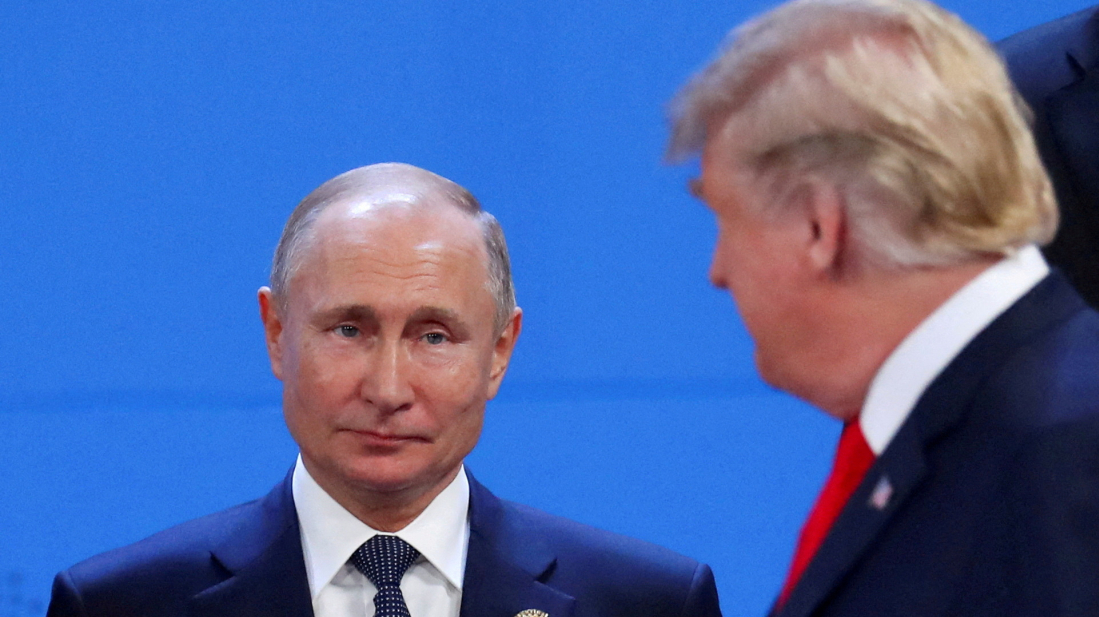


U.S. President Donald Trump announced on Friday his support for maintaining the restrictions on U.S. and Russian strategic nuclear weapons outlined in the 2010 New START treaty, which is set to expire in February
Speaking to reporters before departing for Scotland, Trump emphasized the importance of the treaty, stating, “That’s not an agreement you want expiring. We’re starting to work on that.”
This marks the first time during his presidency that Trump publicly backed the treaty’s limits, which cap deployments at 1,550 strategic warheads on 700 delivery systems, including intercontinental ballistic missiles, submarines, and bombers.
"When you take off nuclear restrictions, that's a big problem," Trump said.
The New START treaty is the last standing arms control pact between the two nuclear superpowers. Although it was extended for five years by former U.S. President Joe Biden and Russian President Vladimir Putin in 2021, it cannot be prolonged further under current terms.
Previously, Trump had opposed a simple extension and instead pushed for a broader agreement that would also include China — a proposal Beijing rejected.
Despite his earlier stance, Trump has expressed interest in negotiating nuclear limits with both Putin and Chinese President Xi Jinping.
The backdrop of these developments is increasingly tense U.S.-Russia relations, strained further by Moscow's nuclear threats and advanced weapons development amid the war in Ukraine.
Experts warn that the expiration of New START could lead to an unchecked arms race, making it harder for both sides to assess each other's capabilities and intentions.

Nigerian health authorities have confirmed a case of Ebola disease in the Federal Capital Territory (FCT)...
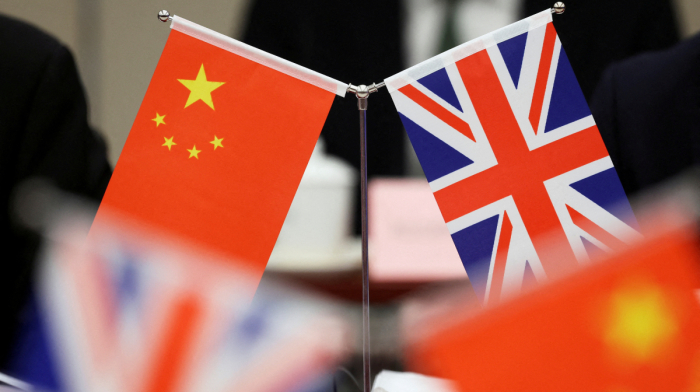
China has lodged a formal diplomatic protest with the UK after British border officials allegedly subjected Chinese travellers to lengthy questioni...
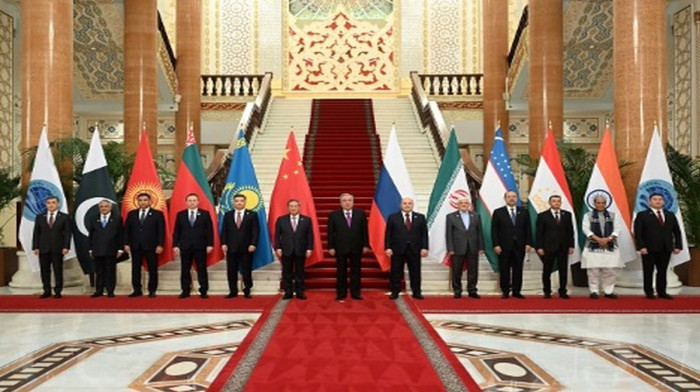
Member states of the Shanghai Cooperation Organisation (SCO) prevented 273 terrorist attacks and more than 3,000 crimes linked to terrorism, separa...
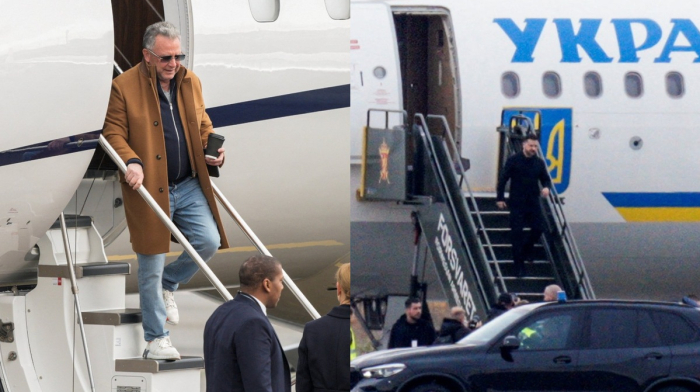
Ukrainian President Volodymyr Zelenskyy has arrived in Norway for talks about the Russia-Ukraine war. He is expected to meet with U.S. President Donald Trump's Special Envoy Steve Witkoff, who arrived in Oslo earlier. Witkoff will also meet European officials.
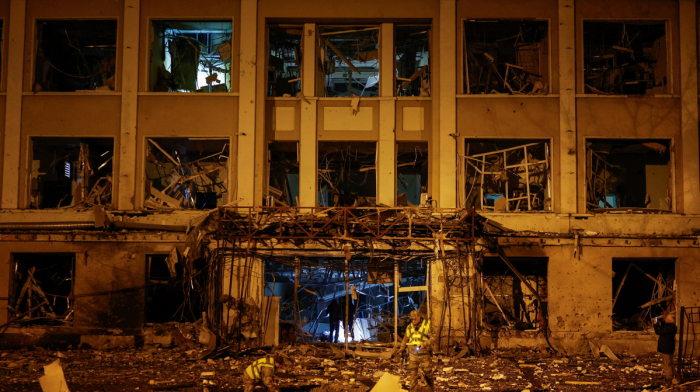
U.S. President Donald Trump has criticised Ukrainian President Volodymyr Zelenskyy for continuing to target Russia's energy infrastructure, while Russian strikes on Kyiv overnight killed at least one person and damaged a metro station.
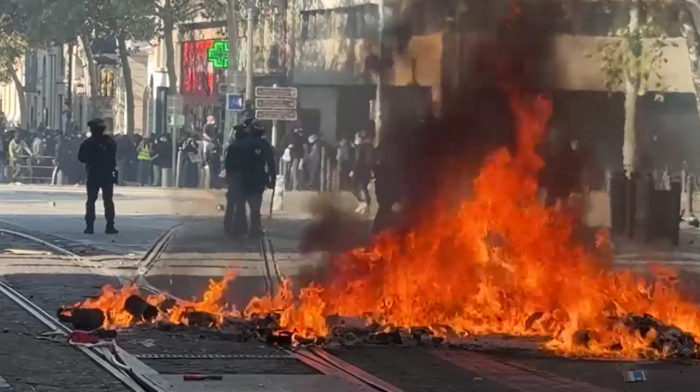
French President Emmanuel Macron has condemned the violence, looting and vandalism that erupted during cost-of-living protests across France. Prime Minister Sébastien Lecornu held crisis talks on Monday, calling for partial curfews and raising the possibility of a state of emergency.

An oil tanker caught fire after striking a naval mine in the southern part of the Strait of Hormuz, Iran’s Islamic Revolutionary Guard Corps (IRGC) Navy said late Sunday.
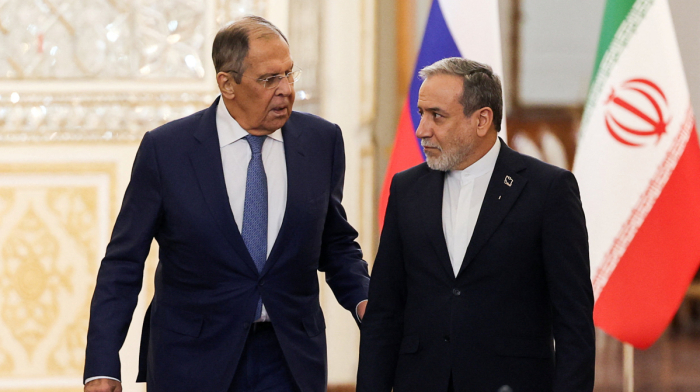
Iranian Foreign Minister Abbas Araghchi said regional issues should be resolved through diplomacy and blamed the United States for insecurity and tensions in the Strait of Hormuz, speaking at a joint news conference with Russian Foreign Minister Sergey Lavrov on Monday.
Nigerian health authorities have confirmed a case of Ebola disease in the Federal Capital Territory (FCT), prompting the activation of emergency public health measures aimed at preventing further transmission of the deadly virus.
China has lodged a formal diplomatic protest with the UK after British border officials allegedly subjected Chinese travellers to lengthy questioning and seized personal electronic devices, including phones, laptops and smartwatches.
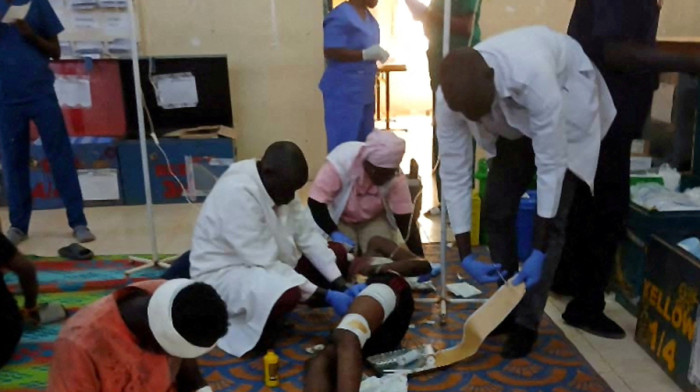
More than 150 people have been killed in a drone strike on a crowded market in the disputed Abyei region, South Sudanese officials said, marking one of the deadliest attacks linked to Sudan's civil war since it began in April 2023.
Ukrainian President Volodymyr Zelenskyy has arrived in Norway for talks about the Russia-Ukraine war. He is expected to meet with U.S. President Donald Trump's Special Envoy Steve Witkoff, who arrived in Oslo earlier. Witkoff will also meet European officials.
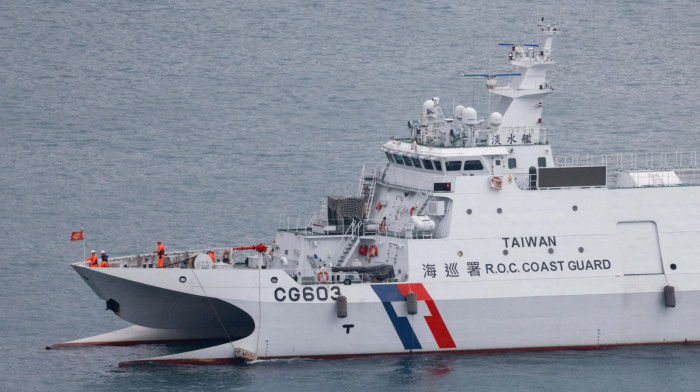
Beijing says it deployed naval forces to monitor a U.S. warship near Sabina Shoal, while Taiwan reports a separate confrontation with a Chinese coast guard vessel near the Pratas Islands.
You can download the AnewZ application from Play Store and the App Store.




What is your opinion on this topic?
Leave the first comment