Oil producing nations agree on cooperation roadmap in Baku
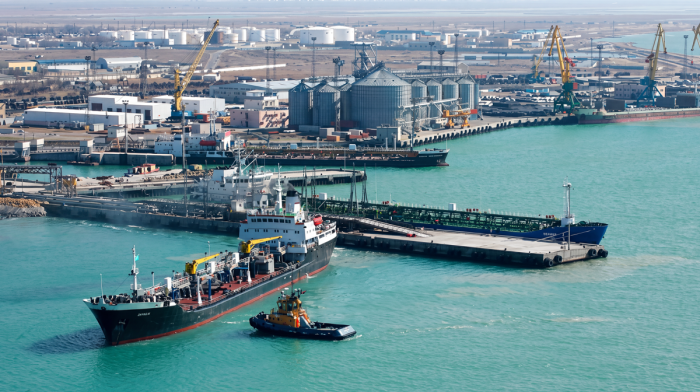
Officials from more than 20 oil producing countries have agreed on a roadmap aimed at strengthening international oil industry cooperation at a meetin...
Japan’s tourism boom is adding pressure on local authorities to expand accommodation taxes as cities and prefectures seek to manage rising visitor numbers and fund services amid record international arrivals.
The country's tourism rebound is giving fresh urgency to local debates over accommodation taxes, as cities and prefectures look for ways to cover the costs of increased visitor numbers.
The pressure comes as arrivals reach new highs. According to Nippon.com, citing Japan National Tourism Organization data, Japan welcomed a record 42.7 million international visitors in 2025, up from 36.9 million in 2024 and well above the pre-pandemic 2019 level of 31.9 million.
The same data showed visitor spending also rose to a record ¥9.5 trillion in 2025, underlining tourism's growing role in the economy even as crowded districts, transport hubs and popular attractions come under increasing strain.
Accommodation taxes are one tool local governments can use to channel a portion of tourism spending into destination management, infrastructure and public services. For travellers, however, the growing use of such levies adds to the overall cost of visiting Japan.
Officials and tourism operators are now balancing the benefits of record visitor numbers with the need to keep destinations sustainable and enjoyable for both residents and visitors.

U.S. President Donald Trump announced the reimposition of a U.S. naval blockade on all Iranian ports and warned that power plants and bridges could be targeted next week unless Tehran returns to negotiations.
The United States carried out a third consecutive night of airstrikes against Iran, targeting military capabilities around the Strait of Hormuz as Donald Trump announced the reinstatement of a blockade on Iranian shipping and proposed a 20% fee on cargo passing through the strategic waterway.
The death toll from the fire at a live music pub in Bangkok has climbed to 32 after two more victims died from their injuries, according to Thailand's Police Hospital.
Ukraine and Russia exchanged fresh attacks on Tuesday, with Kyiv targeting shipping and energy infrastructure inside Russia while Moscow launched another large-scale missile and drone assault on Ukrainian cities.
The U.S. military announced that it has completed a new wave of strikes against Iranian military targets under U.S. President Donald Trump's orders. The operation targeted command centres, air defence systems, missile and drone facilities, and coastal surveillance sites across multiple locations.
Afghanistan and Türkiye are considering a tourism agreement to promote historic and religious sites, ease travel and train tourism workers, Afghan authorities said after talks in Kabul on Monday.
The European Union's General Court has dismissed Ryanair's appeals against an Italian state aid scheme approved by the European Commission in 2020 to support airlines during the COVID-19 pandemic.
Georgia and the European Union have held their first working-level talks in Brussels following the EU's decision to suspend visa-free travel for holders of Georgian diplomatic, service and official passports.
Tourism operators in eastern Latvia say repeated incursions by stray military drones linked to the war in Ukraine are driving visitors away from one of the country's most popular summer destinations, threatening hundreds of small businesses that rely on seasonal trade.
TUI has reported sustained demand for holidays despite the Iran war, as the world’s biggest travel company posted lower-than-expected quarterly losses and said bookings for the second half of the year remained strong.
You can download the AnewZ application from Play Store and the App Store.
What is your opinion on this topic?
Leave the first comment