The crew of NASA’s Artemis II mission are preparing to return to Earth after completing a groundbreaking journey around the Moon, with a Pacific Ocean splashdown expected off the coast of San Diego at around 01:00 BST (12:00 GMT).
The four astronauts aboard the Orion spacecraft have spent the past 10 days travelling farther from Earth than any human mission since the Apollo 13 mission, marking a significant step forward in efforts to return humans to the lunar surface.
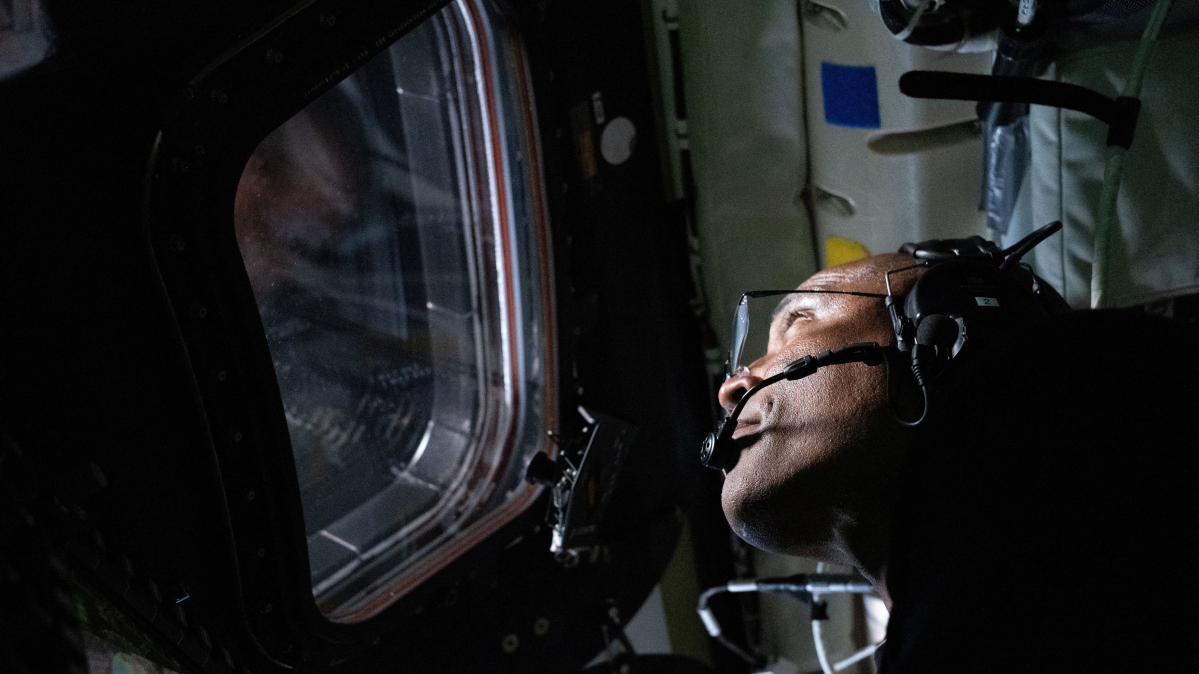
Speaking to reporters during a live broadcast from space, pilot Victor Glover said the crew would be bringing back extensive material from the mission, including data, images and personal accounts.
“There’s a lot that’s already been shared,” he said, “but much of what we’ve gathered is coming back with us. There are many more pictures and many more stories to tell.”
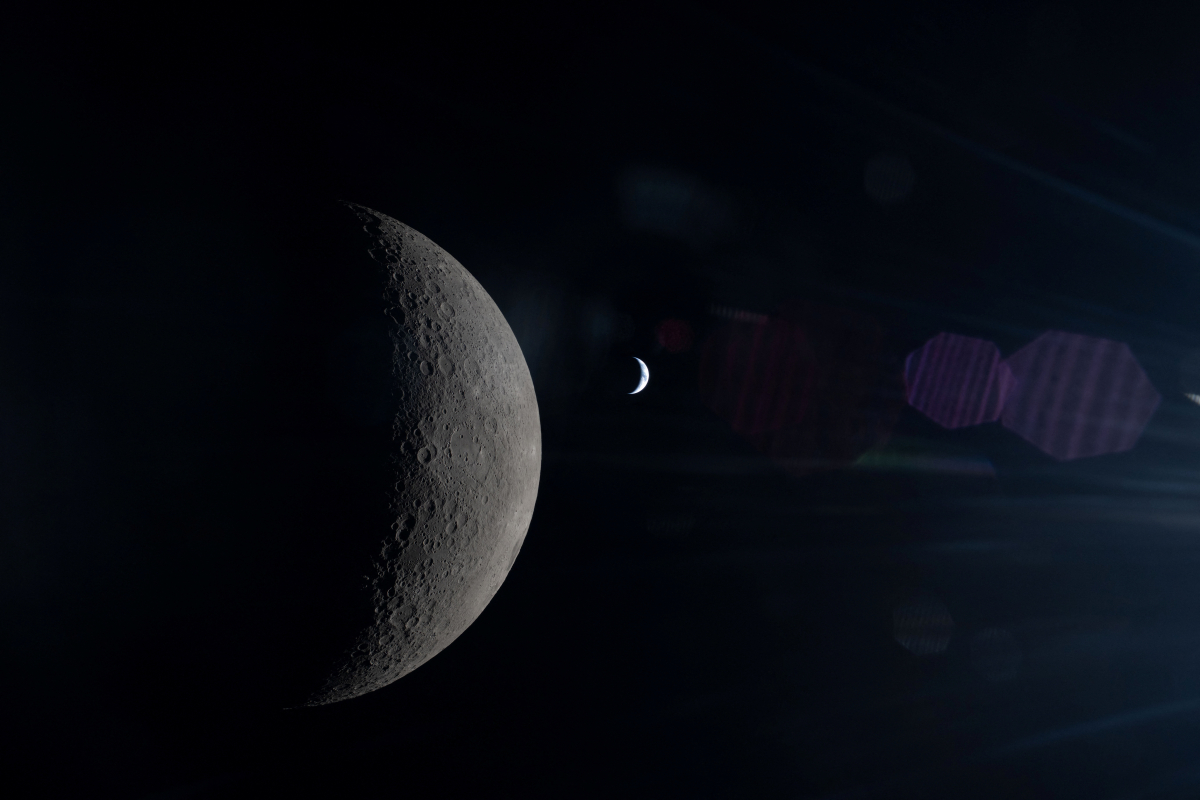
The mission did not involve a lunar landing, but the spacecraft flew around the Moon’s far side - a region not visible from Earth. While previously imaged by robotic missions, this marked one of the first times astronauts have directly observed parts of the area, including large impact craters and ancient volcanic plains.
Commander Reid Wiseman said the mission included critical scientific observations, particularly during a period of around 40 minutes when communication with Earth was lost.
Despite the workload, he said the crew took a brief moment to reflect during that time.
“We paused for a few minutes to take it all in,” he said, adding that the experience of being so far from Earth was difficult to fully describe.
Crew members also highlighted personal moments during the mission. Wiseman described naming a lunar crater after his late wife as the most emotional point of the journey, while Glover pointed to witnessing a lunar eclipse from deep space as a standout experience.
Mission specialist Christina Koch said she would miss the sense of teamwork developed during the flight, describing it as a key part of life on board.
The astronauts also used their final public appearances to emphasise the broader significance of the mission. Wiseman described the current period as a “golden age of space travel”, while Glover said he hoped the mission would inspire future generations.
Attention is now turning to the spacecraft’s return, widely regarded as one of the most technically demanding phases of the mission. Orion is expected to re-enter Earth’s atmosphere at high speed, generating intense heat and causing a temporary communications blackout.
Parachutes will deploy in stages to slow the capsule before it lands in the Pacific, where recovery teams - supported by the USS John P. Murtha - will retrieve the crew.
Following recovery, the astronauts will undergo medical checks before being transported to Johnson Space Center in Texas.





















What is your opinion on this topic?
Leave the first comment