Bill Clinton denies knowledge of Epstein crimes in Capitol Hill testimony
Former U.S. President Bill Clinton said on Friday (27 February) that he had no knowledge of the crimes committed by Jeffrey Epstein and would not have...
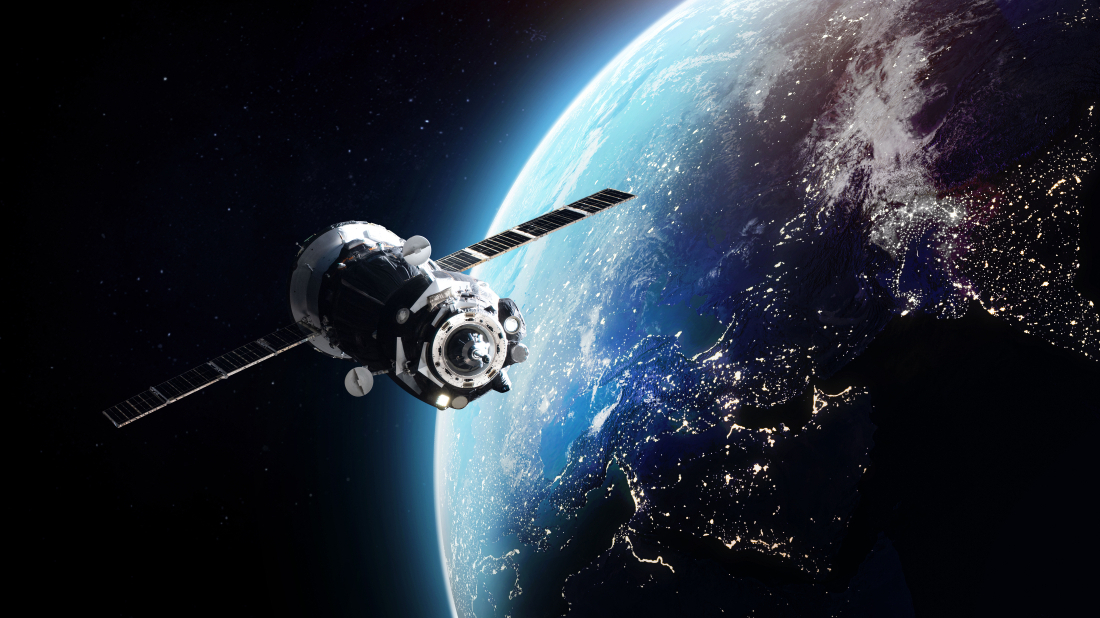
The European Commission has proposed a new EU Space Act to create a unified and competitive single market for space services and data, in a move to strengthen Europe’s position in the rapidly growing global space sector.
The regulation, presented on Wednesday (25 June), seeks to streamline fragmented national rules, ensure fair competition, and protect EU space infrastructure, while offering targeted support for small and medium-sized enterprises across the space industry.
“This fragmentation is bad for business, bad for competitiveness, bad for our future in space,” said EU Commissioner for Defence and Space Andrius Kubilius, calling the initiative essential to securing Europe’s economic and strategic interests in space.
“The Space Act will allow us to grow in space. And growth in space means growth and jobs on Earth and in space,” he added.
The plan would apply to both EU and non-EU commercial operators, though it excludes military space activities.
The move comes as Europe faces growing pressure to catch up with major players like the U.S. and China, which have scaled up both public and private investment in space technologies.
The global space economy, valued at €572 billion ($668 billion) in 2023, is forecast to nearly triple by 2035, potentially reaching €1.6 trillion ($1.87 trillion), according to the Commission.
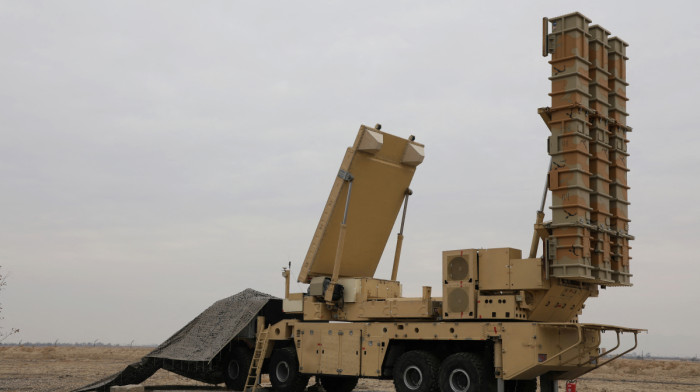
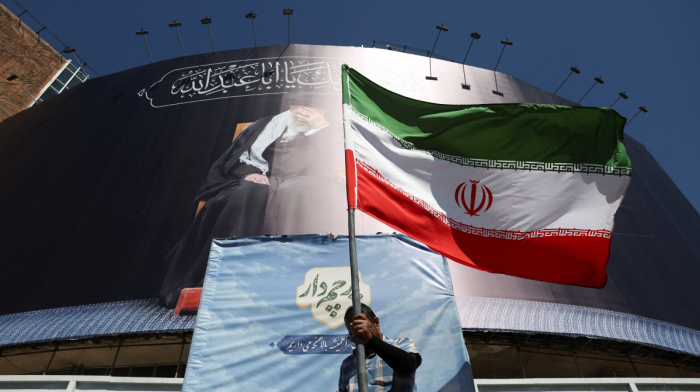
Tensions between the U.S. and Iran are escalating, with Washington ordering a significant military build-up in the region and multiple countries evacuating diplomatic staff amid fears of further instability.
The death toll from heavy rains and flooding in Brazil’s Minas Gerais state has risen to 46, authorities said, with 21 people still reported missing. The storms triggered landslides and widespread flooding, displacing thousands across Juiz de Fora and Uba.
The situation in Cuba was heating up and called for restraint following a deadly incident involving a Florida-registered speedboat off the coast of the Caribbean island, the Kremlin said on Thursday (26 February).
Syria’s economy is showing clear signs of recovery, with economic activity accelerating in recent months, the International Monetary Fund (IMF) said on Wednesday.
Pakistani air strikes hit a weapons depot on the western outskirts of Kabul overnight, triggering hours of secondary explosions that rattled homes across the Afghan capital and left residents fearing further violence.
South Korea will soon cease to be one of the few countries where Google Maps does not function fully, after its security-conscious government reversed a two-decade-old policy and approved the export of high-precision map data to overseas servers.
New research suggests 40,000-year-old carved objects from south-western Germany bear repeated marks arranged in organised sign sequences similar to early proto-cuneiform, although they are not regarded as a form of writing.
The chief executive of Google DeepMind, Demis Hassabis, has called for more urgent research into the risks posed by artificial intelligence, warning that stronger safeguards are needed as systems become more advanced.
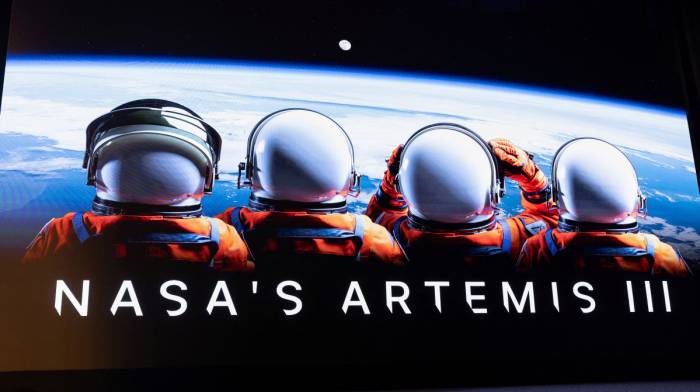
NASA successfully completed a critical fueling rehearsal on Thursday (19 February) for its giant moon rocket, Artemis II, after earlier hydrogen leaks disrupted preparations for the next crewed lunar mission. The launch is scheduled for 6 March, according to the latest information from NASA.
ByteDance will take steps to prevent the unauthorised use of intellectual property on its artificial intelligence (AI) video generator Seedance 2.0, the Chinese technology firm said on Monday.
You can download the AnewZ application from Play Store and the App Store.
What is your opinion on this topic?
Leave the first comment