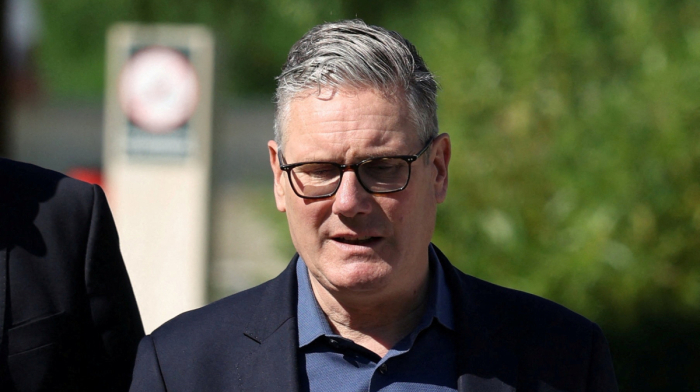
Mojtaba Khamenei: Global reactions trail Iran’s new supreme leader, oil prices rise
Iran named Mojtaba Khamenei to succeed his father Ali Khamenei as supreme leader on Monday (9 March), signaling th...
Character.AI will ban under-18s from chatting with its AI characters and introduce time limits, following lawsuits alleging the platform contributed to a teenager’s death.
Character.AI, a popular chatbot platform, said on Thursday it will restrict access for minors amid growing scrutiny of how artificial intelligence interactions affect children’s mental health.
The California-based company announced that users under 18 will be blocked from engaging in open-ended conversations with its AI characters, and a two-hour daily usage limit will take effect by 25 November.
The decision follows several lawsuits, including one filed by the mother of a 17-year-old who alleges an AI character encouraged her son to take his own life.
Character.AI, which allows users to create and chat with humanlike AI “characters,” said it will introduce age-verification checks to identify minors. Similar measures are being explored across the tech sector, though experts note they are often flawed and raise privacy concerns.
Face scans and ID uploads, for example, can be inaccurate or intrusive, critics say. “They have not addressed how they will operationalise age verification, how they will ensure their methods are privacy-preserving, nor have they addressed the possible psychological impact of suddenly disabling access to young users,” said Meetali Jain, executive director of the Tech Justice Law Project.
The company said it is developing child-focused features, including AI-assisted tools for creating videos, stories and livestreams, alongside an AI safety lab.
A study by Common Sense Media found that more than 70 % of teenagers have used AI companion platforms, with about half doing so regularly. Experts warn that such tools can foster emotional dependency and that stronger safeguards are needed to protect young users.
The Azerbaijani State Security Service has said it has stopped Iran committing terror attacks against four targets in the country: Baku-Tbilisi-Ceyhan pipeline, the Israeli Embassy in Azerbaijan, a leader of the Mountain Jews religious community and the "Ashkenazi" synagogue.
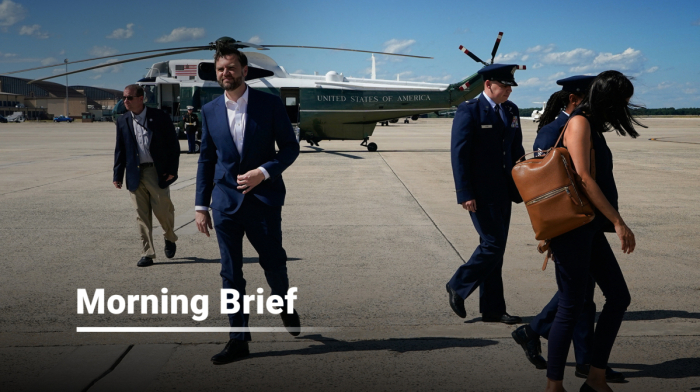
Trump says the United States "don’t need people that join wars after we’ve already won," targeting his criticism at UK Prime Minister Keir Starmer. Israel continues to fire missles at strategic sites in Iran and Gulf regions report more strikes from Iran.
Baku has completed its evacuation of staff from the Azerbaijan Consulate General in Tabriz, while most employees from the Azerbaijan Embassy in Tehran have also returned.
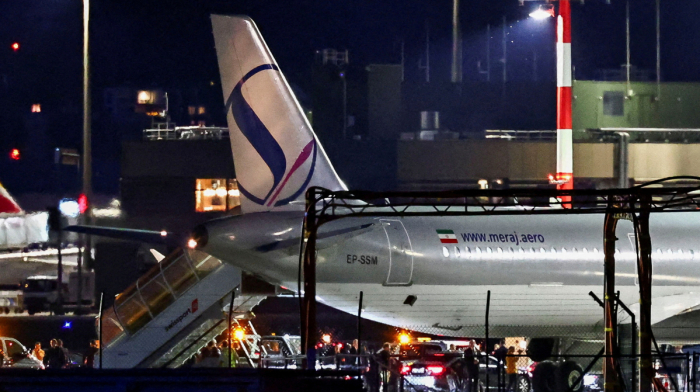
Tehran’s Mehrabad Airport came under attack in heavy airstrikes on early Saturday morning (7 March), Iranian news agencies reported.
U.S. President Donald Trump threatened further attacks on Iran on Saturday (7 March), while the United Arab Emirates and Saudi Arabia continued to shoot down missiles in their airspace. Meanwhile, Iran’s President Masoud Pezeshkian said Tehran would stop attacking its neighbours.
Chinese electric vehicle giant BYD is pushing to make charging an electric car almost as quick and convenient as filling up a traditional petrol vehicle - a move that could help remove one of the biggest barriers to wider electric vehicle adoption.
South Korea will soon cease to be one of the few countries where Google Maps does not function fully, after its security-conscious government reversed a two-decade-old policy and approved the export of high-precision map data to overseas servers.
New research suggests 40,000-year-old carved objects from south-western Germany bear repeated marks arranged in organised sign sequences similar to early proto-cuneiform, although they are not regarded as a form of writing.
The chief executive of Google DeepMind, Demis Hassabis, has called for more urgent research into the risks posed by artificial intelligence, warning that stronger safeguards are needed as systems become more advanced.
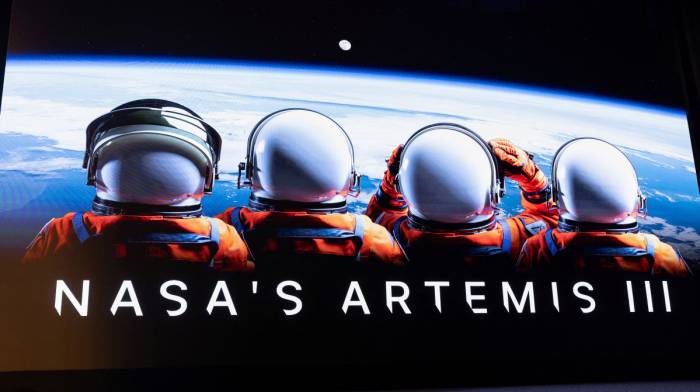
NASA successfully completed a critical fueling rehearsal on Thursday (19 February) for its giant moon rocket, Artemis II, after earlier hydrogen leaks disrupted preparations for the next crewed lunar mission. The launch is scheduled for 6 March, according to the latest information from NASA.
You can download the AnewZ application from Play Store and the App Store.
What is your opinion on this topic?
Leave the first comment