U.S. officials and lawmakers are alarmed over a meeting last month where Trump administration members met sanctioned Russian envoy Kirill Dmitriev to draft a plan to end the Ukraine conflict, sources say.
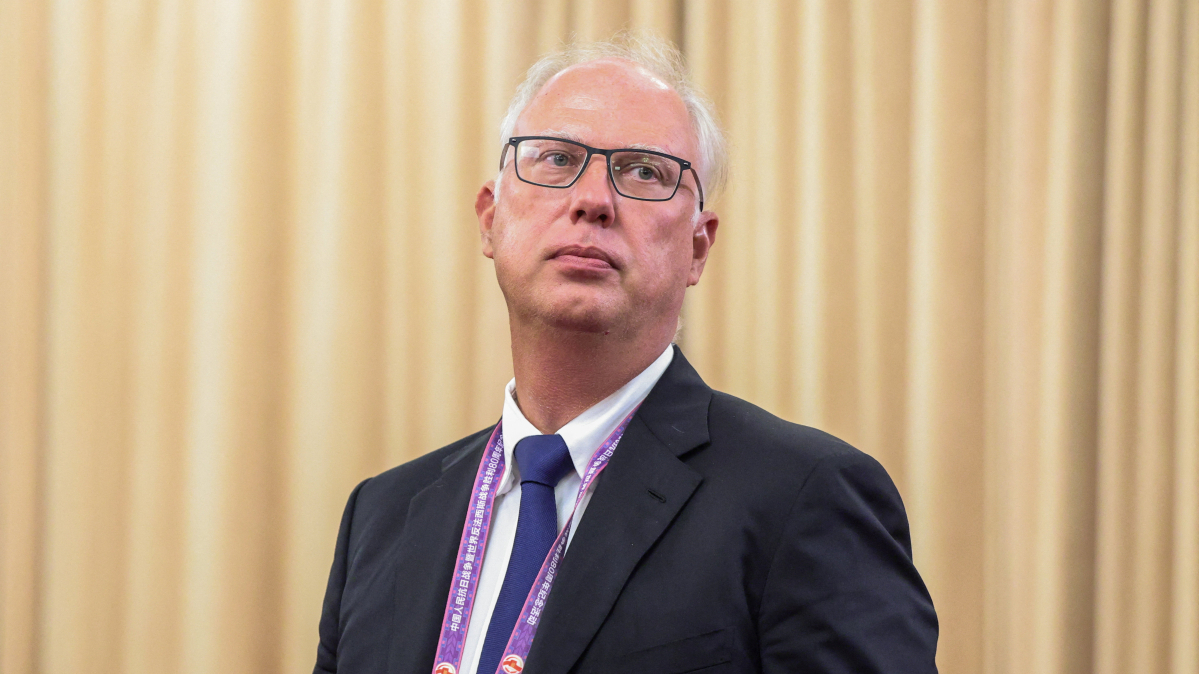
The meeting, held in Miami at the end of October, brought together Trump’s special envoy Steve Witkoff, his son-in-law Jared Kushner, and Dmitriev — head of the Russian Direct Investment Fund (RDIF), one of Russia’s largest sovereign wealth funds. Dmitriev, a close ally of President Vladimir Putin, has played a leading role in Moscow’s dialogue with Washington over Ukraine and reportedly met Witkoff several times this year.
A senior U.S. official said the Trump administration granted him a special waiver to enter the country despite existing sanctions.
Dmitriev and RDIF were blacklisted by Washington in 2022 after Russia’s full-scale invasion of Ukraine, effectively prohibiting American entities from dealing with them.
The Miami meeting reportedly produced a 28-point proposal to end the conflict. The plan, revealed by Axios earlier this week, surprised many within the U.S. government and caused confusion among embassies in Washington and across Europe.
It has been criticised by Ukraine and its allies for being overly favourable to Moscow. President Volodymyr Zelenskyy vowed on Friday that he would “not betray Ukraine’s interests.”
The proposal, which includes significant concessions from Kyiv, appears inconsistent with the administration’s recently tougher approach to Russia, including new sanctions on its energy sector.
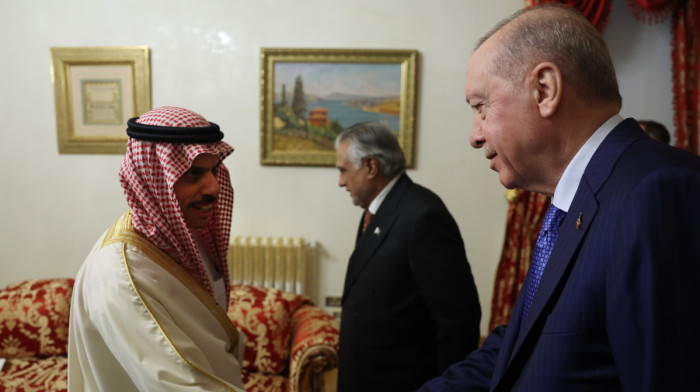
It remains unclear whether Dmitriev arrived in Miami with pre-set Russian conditions and whether those were reflected in the final text. Two sources also said Ukrainian Defence Minister Rustem Umerov was in Miami earlier this week to discuss the plan with Witkoff. One of them claimed that Witkoff shared details of the plan with Umerov during that visit and that the United States passed the proposal to Ukraine via Türkiye on Wednesday before presenting it directly in Kyiv on Thursday.
Umerov described his involvement as merely “technical” and denied substantive discussions. Dmitriev and the Ukrainian Embassy in Washington did not respond to requests for comment.
White House spokeswoman Karoline Leavitt said any peace plan “must offer security guarantees and deterrence for Ukraine, Europe and Russia” while also providing economic incentives to both sides. “This plan was crafted to reflect the realities of the situation and to find the best win-win scenario, where both parties gain more than they must give,” she added.
President Trump said on Friday he expected Zelenskyy to sign the plan by Thanksgiving, with reports suggesting Washington has warned Kyiv that military aid could be reduced if it does not comply.
Officials caught off guard
Several senior figures at the State Department and National Security Council were reportedly excluded from the process. Special Envoy for Ukraine Keith Kellogg — who had been working on peace negotiations and is expected to step down in January — was also sidelined, according to two sources.
One senior official said Secretary of State Marco Rubio had been briefed on the 28-point proposal, though it was unclear when. State Department spokesman Tommy Pigott insisted Rubio “has been closely involved throughout the process… speaking with both sides to facilitate the exchange of ideas for a durable peace.”
However, other officials disputed this account.
“There was no coordination; no one at State had seen this, not even Rubio,” one said, noting that the plan included material previously rejected by the secretary.
The episode has raised alarm both within the administration and on Capitol Hill that Witkoff and Kushner bypassed established channels and produced a proposal that serves Russian interests. The document includes demands long voiced by Moscow — that Ukraine cede some eastern territories still under its control, recognise Crimea as Russian, and renounce NATO membership.
“This so-called ‘peace plan’ has serious flaws,” said Senator Roger Wicker, chairman of the Senate Armed Services Committee.
“Ukraine should not be pressured into surrendering its lands to one of the world’s most notorious war criminals in Vladimir Putin.”
Experts echoed the criticism. Dara Massicot of the Carnegie Endowment for International Peace noted, “Putin said today the plan he saw is a ‘basis’ for a future agreement — likely signalling that Moscow intends to push for more concessions on top of what is already an unfavourable proposal for Kyiv. One week seems an ambitious timeline.”
Concerns over Dmitriev
The administration’s engagement with Dmitriev has also raised concerns within the intelligence community, according to one U.S. official. Dmitriev has previously used his position at RDIF to build ties with Western governments and businesses, even under sanctions. The CIA declined to comment.
During Trump’s first term, Dmitriev sought to re-establish relations between Washington and Moscow. A 2017 meeting with Erik Prince — former head of Blackwater and Trump ally — featured in Special Counsel Robert Mueller’s 2019 report, which examined links between the Trump team and Russia. The report found no evidence of coordination to influence the 2016 election.
Dmitriev also collaborated with Kushner during the pandemic, arranging deliveries of Russian ventilators to the U.S., which Treasury officials feared might breach sanctions.
In recent years, Dmitriev has appeared on American television and at the World Economic Forum in Davos promoting closer trade relations between the two countries.
At the Miami meeting, he reportedly advanced similar themes and also met Republican Representative Anna Luna of Florida to discuss U.S.-Russia trade. A RIA video shows Luna receiving a box of chocolates bearing Putin’s image from Dmitriev during their meeting at the Faena Hotel — owned by Len Blavatnik, a Russian-born billionaire with longstanding business ties to sanctioned oligarch Viktor Vekselberg. Witkoff’s company, the Witkoff Group, has joint ventures with Blavatnik’s firm, including in Miami.




















What is your opinion on this topic?
Leave the first comment