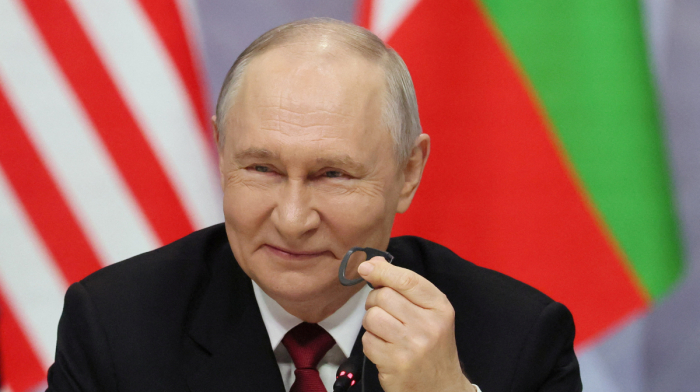
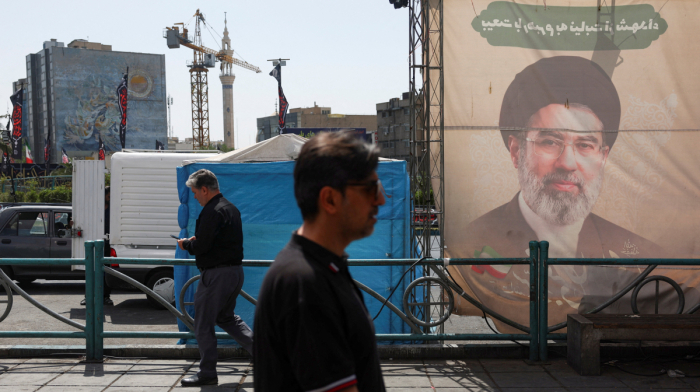
Ayatollah Ali Khamenei: Iran’s supreme leader for 35 years dies at 86
Ayatollah Ali Khamenei, Iran’s supreme leader for 35 years and the country’s highest political and religi...
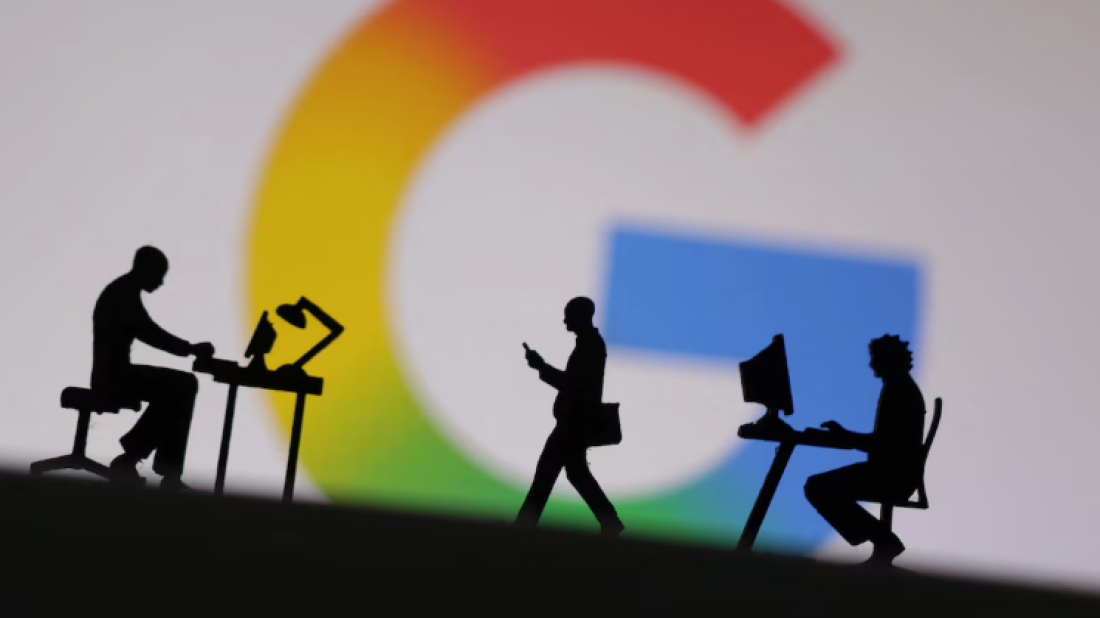
Britain’s competition regulator may force Google to rank businesses more fairly in search results and provide consumers with alternative services, using new powers to regulate tech giants.
The UK’s Competition and Markets Authority (CMA) announced on Tuesday it plans to designate Google with “strategic market status,” giving it enhanced authority to ensure fairer search rankings and greater transparency. This move, expected to be finalized in October, could require Google to improve access to rival search services, support data portability, and simplify integration with AI assistants.
Google warned that overly harsh regulation could hinder innovation and new features in the UK. CMA Chief Executive Sarah Cardell emphasized that while Google has brought many benefits, these actions aim to boost competition and innovation, benefiting businesses and consumers alike. The CMA’s approach seeks to balance curbing tech dominance without stifling economic growth, in contrast to broader EU regulations. Additional investigations into Google’s Android operating system and mobile market are also underway.
Follow the latest developments and global reaction after the U.S. and Israel launched “major combat operations” in Iran, prompting retaliation from Tehran.
Tensions between the U.S. and Iran are escalating, with Washington ordering a significant military build-up in the region and multiple countries evacuating diplomatic staff amid fears of further instability.
Two people were killed and around 40 injured when a tram derailed in central Milan on Friday (27 February), a spokesperson for the local fire service said.
Governments across the region responded swiftly to Israel’s strikes on Iran, closing airspace, issuing travel advisories and activating contingency plans amid fears of escalation.
Pakistani air strikes hit a weapons depot on the western outskirts of Kabul overnight, triggering hours of secondary explosions that rattled homes across the Afghan capital and left residents fearing further violence.
South Korea will soon cease to be one of the few countries where Google Maps does not function fully, after its security-conscious government reversed a two-decade-old policy and approved the export of high-precision map data to overseas servers.
New research suggests 40,000-year-old carved objects from south-western Germany bear repeated marks arranged in organised sign sequences similar to early proto-cuneiform, although they are not regarded as a form of writing.
The chief executive of Google DeepMind, Demis Hassabis, has called for more urgent research into the risks posed by artificial intelligence, warning that stronger safeguards are needed as systems become more advanced.
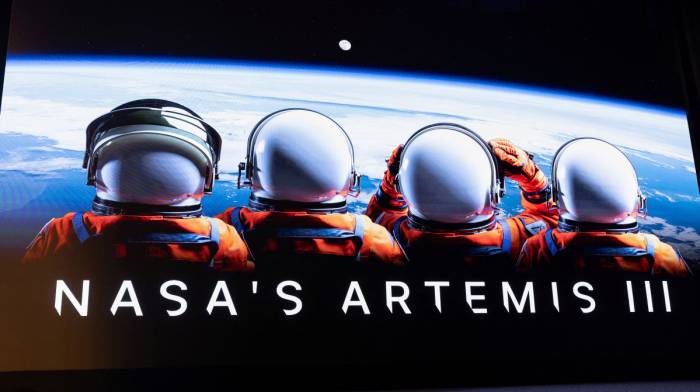
NASA successfully completed a critical fueling rehearsal on Thursday (19 February) for its giant moon rocket, Artemis II, after earlier hydrogen leaks disrupted preparations for the next crewed lunar mission. The launch is scheduled for 6 March, according to the latest information from NASA.
ByteDance will take steps to prevent the unauthorised use of intellectual property on its artificial intelligence (AI) video generator Seedance 2.0, the Chinese technology firm said on Monday.
You can download the AnewZ application from Play Store and the App Store.
What is your opinion on this topic?
Leave the first comment