Day three of the U.S.-Iran conflict: Further strikes and oil price surge
The U.S.-Iran crisis has entered its third day, with further strikes reported across the Middle East and the death toll rising. Oil prices have sur...
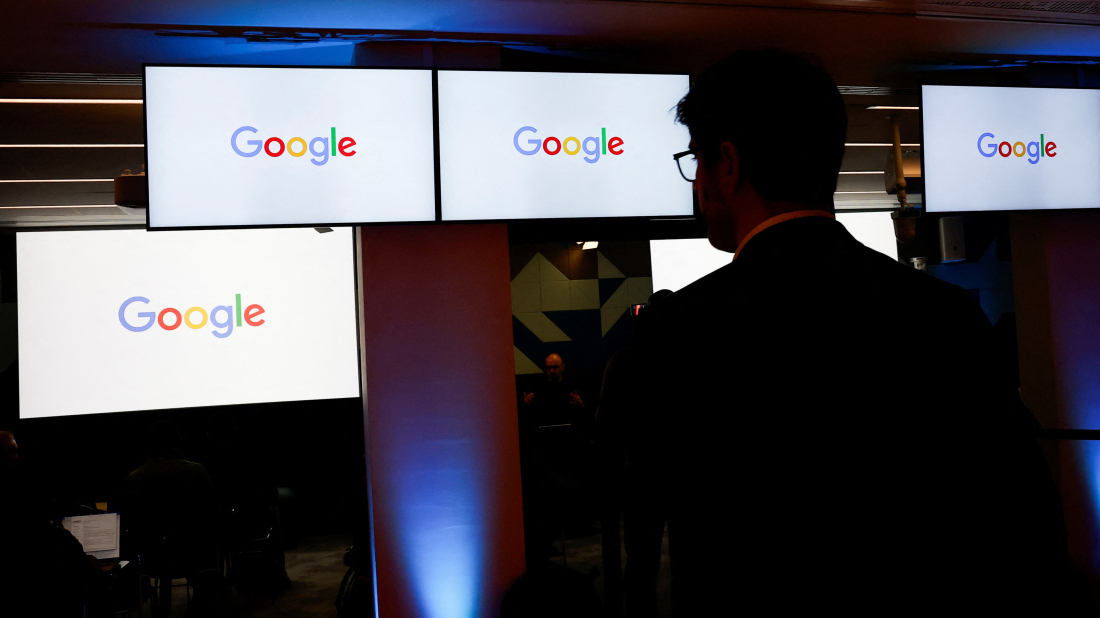
The Court of Justice of the European Union (CJEU) has ruled that Google’s refusal to allow Enel’s JuicePass app access to its Android Auto platform constitutes an abuse of its dominant market position, siding with Italy’s antitrust authority.
The decision, which is final and cannot be appealed, comes after the Italian watchdog fined Google 102 million euros in 2021 for blocking the e-mobility app - a tool designed to help drivers navigate and send messages safely while on the road.
Google had argued that its decision was based on security concerns and the absence of a clear template for refusing compatibility, contending that implementing interoperability would compromise the integrity of its platform. The company challenged the fine at the Italian Council of State, which subsequently sought guidance from the CJEU. Although Google has since enabled the requested feature, its stance during the dispute has raised broader questions about the responsibilities of dominant firms to ensure interoperability.
In its judgment, the CJEU noted, “A refusal by an undertaking in a dominant position to ensure that its platform is interoperable with an app of another undertaking, which thereby becomes more attractive, can be abusive.” However, the court also acknowledged that a company could justify its refusal if no standard template exists or if compatibility poses a security risk. In such cases, the dominant firm is expected to develop an appropriate template within a reasonable timeframe.
A Google spokesperson stated, “We prioritise building the features drivers need most because we believe that innovation should be driven by user demand, not specific companies' requests.” The spokesperson added that at the time of the request, the feature was relevant for only 0.04% of cars in Italy.
The ruling is expected to guide future actions by other dominant companies in similar situations. The Italian Council of State will now rule on Google’s appeal in line with the CJEU decision, as stakeholders across the technology and automotive sectors await further developments.
Follow the latest developments and global reaction after the U.S. and Israel launched “major combat operations” in Iran, prompting retaliation from Tehran.
Saudi Arabia’s state oil giant Saudi Aramco closed its Ras Tanura refinery on Monday following an Iranian drone strike, an industry source told Reuters as Tehran retaliated across the Gulf after a U.S.-Israeli attack on Iranian targets over the weekend.
The Kremlin is utilising the recent United States and Israeli military strikes on Iran to validate its ongoing war in Ukraine. Russian officials are pointing to the escalation in the Middle East as evidence that Western nations do not adhere to international rules.
The Middle East crisis intensifies after the deadly attack on Iran's Supreme Leader Ali Khamenei's compound on Saturday that killed him, other family members and senior figures. Iran has launched retaliatory strikes on U.S. targets in the region.
Ayatollah Alireza Arafi has moved into a pivotal constitutional role following the death of Supreme Leader Ayatollah Ali Khamenei, becoming the clerical member of Iran’s temporary leadership council under Article 111 of the Constitution of the Islamic Republic of Iran.
South Korea will soon cease to be one of the few countries where Google Maps does not function fully, after its security-conscious government reversed a two-decade-old policy and approved the export of high-precision map data to overseas servers.
New research suggests 40,000-year-old carved objects from south-western Germany bear repeated marks arranged in organised sign sequences similar to early proto-cuneiform, although they are not regarded as a form of writing.
The chief executive of Google DeepMind, Demis Hassabis, has called for more urgent research into the risks posed by artificial intelligence, warning that stronger safeguards are needed as systems become more advanced.
NASA successfully completed a critical fueling rehearsal on Thursday (19 February) for its giant moon rocket, Artemis II, after earlier hydrogen leaks disrupted preparations for the next crewed lunar mission. The launch is scheduled for 6 March, according to the latest information from NASA.
ByteDance will take steps to prevent the unauthorised use of intellectual property on its artificial intelligence (AI) video generator Seedance 2.0, the Chinese technology firm said on Monday.
You can download the AnewZ application from Play Store and the App Store.
What is your opinion on this topic?
Leave the first comment