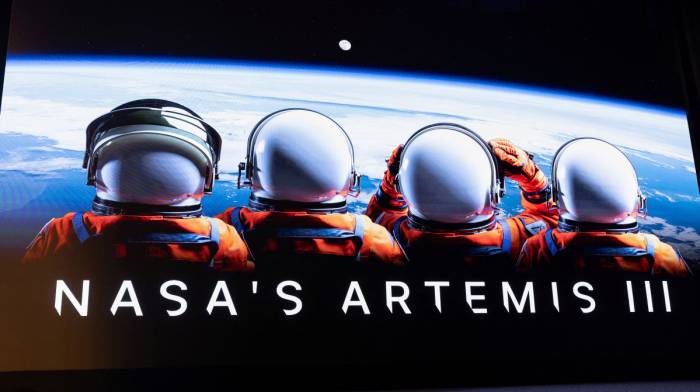
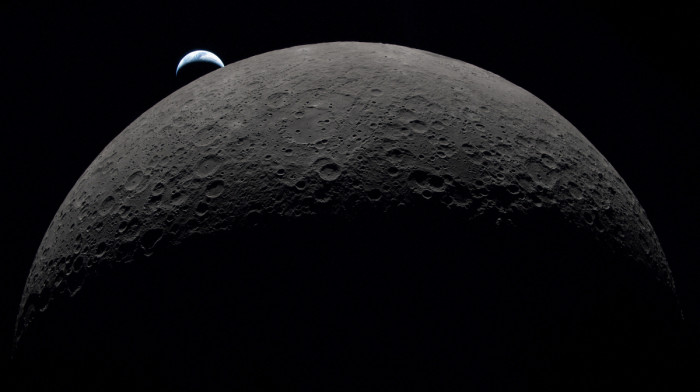
Humanity’s return to the Moon is about far more than planting flags and collecting samples. Under NASA’s Artemis programme, the goal is to establish a lasting human presence, with lunar rovers set to play a vital role in making that vision possible.
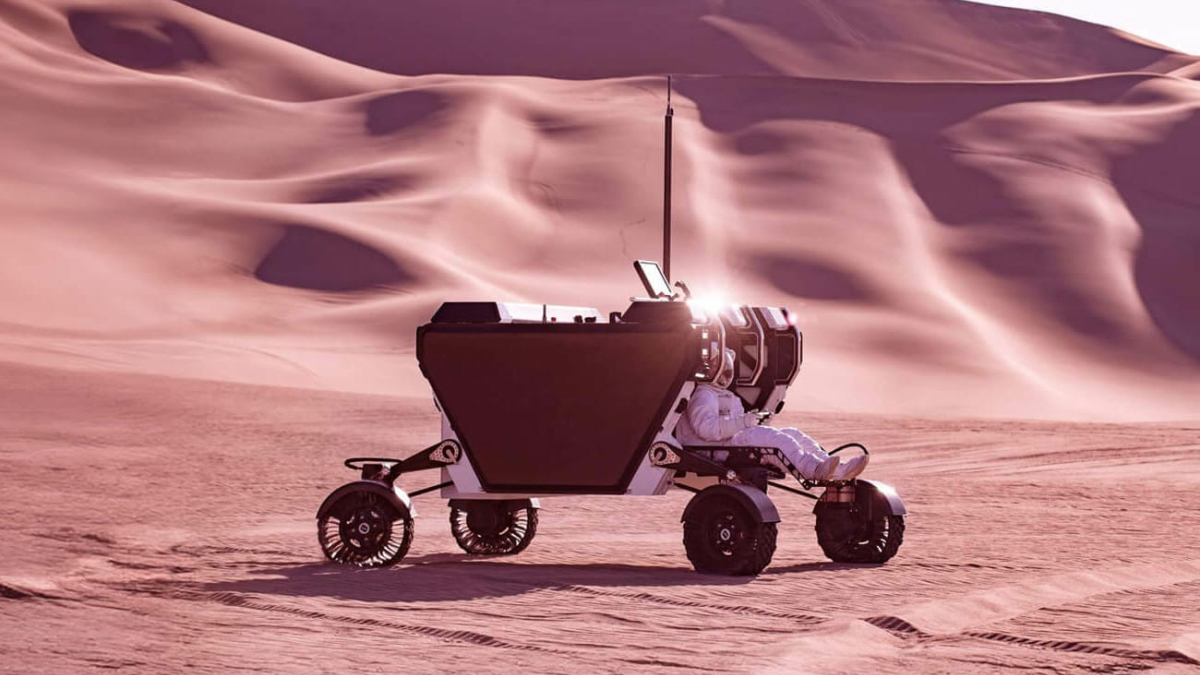
Mobility will be central to that ambition, and Astrolab is among the companies selected by NASA to help make it possible.
Speaking to AnewZ’s Prime Time, Kelly Randell, Head of Civil Space at Astrolab, described the company’s selection as a major milestone in a journey that has been years in the making.
“We are really honoured that NASA has selected us as one of the providers of the next lunar terrain vehicle for the Artemis programme,” Randell said, noting that Astrolab’s vision has always been to create a rover capable of carrying astronauts while also operating robotically on the Moon.
For the company, the announcement represents the culmination of a long-held ambition. Randell said Astrolab founder and CEO Jaret Matthews established the company to develop advanced planetary mobility systems to support future lunar missions. NASA’s selection of Astrolab as a provider of a crewed lunar rover marks a significant step towards turning that vision into reality.
Engineering challenges on the Moon
Designing a vehicle for the Moon is anything but straightforward.
Asked about the engineering challenges involved, Randell highlighted the extreme conditions lunar rovers must endure. One of the biggest hurdles is surviving the lunar night, when temperatures can range from around 120–130°C in sunlight to approximately -200°C in darkness and permanently shadowed regions.
According to Randell, engineers must build systems capable of keeping critical equipment warm in extreme cold while also preventing instruments from overheating in intense heat. Achieving that balance is essential if rovers are to operate reliably for extended periods on the lunar surface.
Another major obstacle is lunar dust. Randell described it as highly abrasive, resembling tiny shards of glass. Because the dust is electrostatically charged, it clings to equipment, potentially affecting moving parts, solar panels and camera systems. Developing technologies that can withstand or repel the dust remains a key focus for Astrolab’s engineering teams.
Building a lunar economy
Beyond transportation, Randell sees Astrolab’s technology playing a critical role in the development of future lunar infrastructure. She explained that the rover is designed to serve as a “last-mile cargo and logistics” solution, capable of transporting equipment, supplies and astronauts across the lunar surface.
As NASA and its partners deploy landers carrying scientific instruments, power systems and other infrastructure, rovers will be needed to move those assets from landing sites to operational locations. Randell said this capability will be essential for building power, data and communications networks that can support a sustainable human presence on the Moon.
“The mobility piece is going to be really critical,” she said, emphasising that future missions will increasingly operate farther from landing zones, requiring dependable surface transport.
Inspiring the next generation
Randell also had a message for young people aspiring to work in the space sector. She challenged the common belief that careers in space exploration are limited to astronauts, scientists and engineers.
Instead, she stressed the importance of curiosity, collaboration and a willingness to learn. Building a future lunar economy, she said, will require people with diverse skills and backgrounds working together to achieve ambitious goals.
“For me, one of the biggest things is curiosity,” Randell said. “The desire to learn, the desire to grow and work together will be really critical as we build the Moon base off planet.”
As NASA pushes ahead with Artemis, Astrolab’s rovers could become some of the most important vehicles ever built, helping astronauts explore farther, transport vital supplies and lay the foundations for humanity’s next chapter beyond Earth.



















What is your opinion on this topic?
Leave the first comment