Search and rescue teams from several countries have rescued a 44-year-old security guard who survived for more than a week beneath the ruins of a collapsed shopping centre in Venezuela, offering a rare moment of hope amid an earthquake disaster that has claimed thousands of lives.
Hernan Alberto Gil was pulled from the rubble of the nine-storey Galerias Playa Grande shopping centre in the coastal state of La Guaira on Thursday after rescuers spent days trying to reach him.
The rescue operation, led by teams from El Salvador and Chile, began on Monday after signs emerged that Gil was still alive beneath the debris.
Delicate operation
According to El Salvador's President Nayib Bukele, rescuers were able to provide Gil with water through tubing while engineers worked to establish a safe route through the unstable structure.
Because of the risk of further collapse, rescue workers were forced to dig two separate tunnels before finally reaching the trapped man.
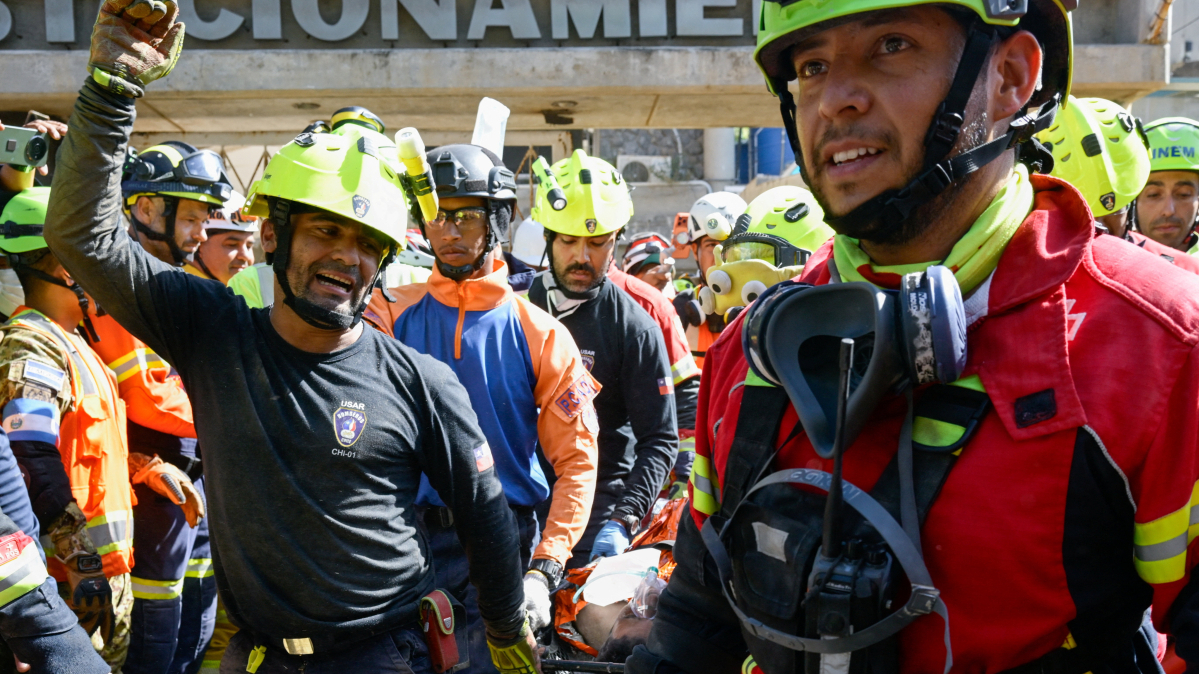
Images from the scene showed Gil being carried from the wreckage on a stretcher before being placed in an ambulance as rescuers, journalists and bystanders cheered.
"This rescue was made possible thanks to the joint efforts of teams from Chile, the U.S., Portugal, Mexico, Costa Rica, Venezuela and El Salvador, who worked tirelessly to remove debris, stabilise the structure and clear a path to reach Hernan," Bukele said.
Chile's firefighting service said the operation took around 70 hours and that Gil was in good condition following his rescue.
Disaster devastation
The rescue came nearly eight days after two powerful earthquakes measuring magnitude 7.2 and 7.5 struck Venezuela's northern coast less than a minute apart.
Government figures released on Wednesday put the death toll at 2,295, making it one of the country's deadliest natural disasters in decades.
Thousands remain unaccounted for. An unofficial online registry widely used by families searching for loved ones listed around 38,600 people as missing on Thursday, down from a peak of nearly 60,000 in the immediate aftermath of the earthquakes.
Communications problems have complicated rescue efforts, with mobile phone services remaining unreliable across large parts of La Guaira, the region hardest hit by the disaster.
A United Nations envoy said this week that the organisation was procuring 10,000 body bags for Venezuela, while estimates from the U.S. Geological Survey suggested the final death toll could ultimately exceed 10,000.
Civilian-led response
Although Venezuelan authorities have maintained a visible security presence, much of the rescue and relief effort has been carried out by civilians, volunteers and international teams.
Residents have spent days searching for relatives using shovels, pickaxes and, in some cases, their bare hands. They have been joined by firefighters, doctors, nurses, civil protection workers and volunteers from numerous international rescue missions.
Many of the soldiers involved in rescue operations reportedly volunteered to assist civilians at collapsed buildings and housing complexes.
Relief workers have repeatedly complained about a shortage of heavy machinery needed to remove large concrete slabs and reach trapped survivors more quickly.
Communities fill gaps
In the days following the disaster, thousands of civilians transported food, water and essential supplies into affected areas, particularly La Guaira.
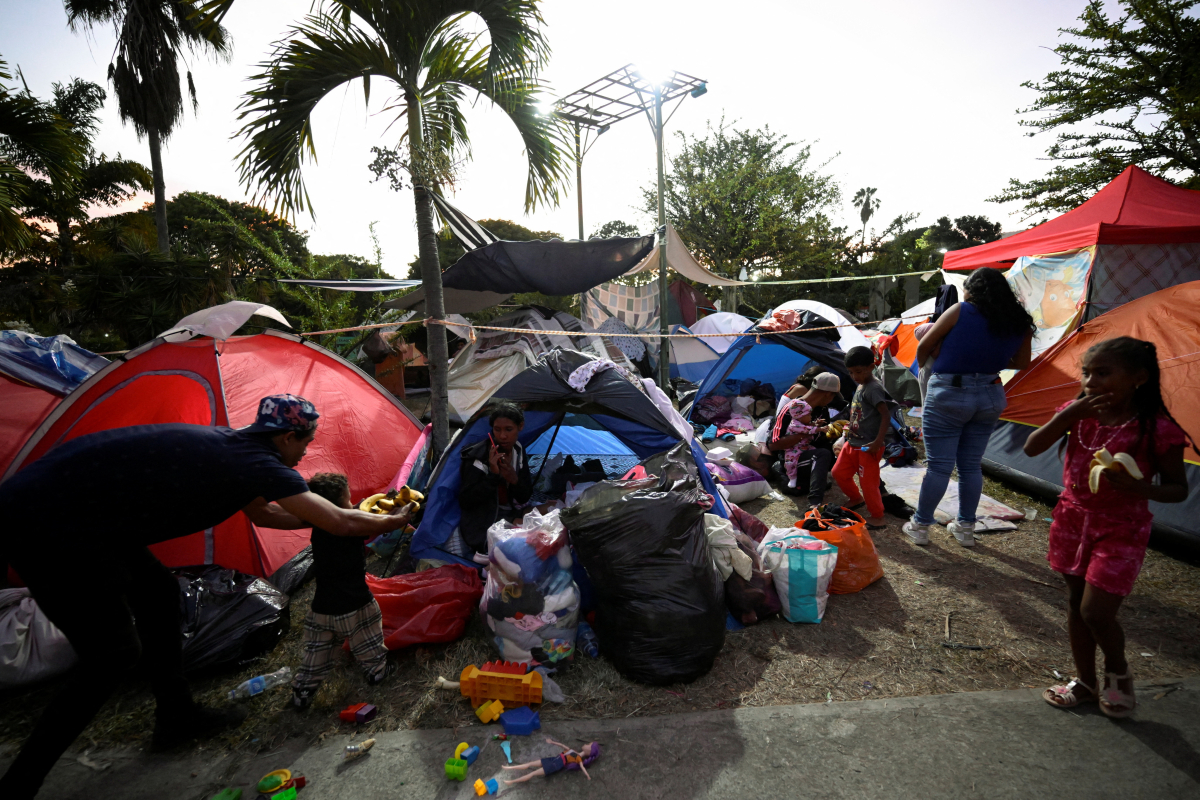
Volunteers have since established shelters for displaced residents, creating their own systems for registration, accommodation and support while coordinating with local authorities.
The government temporarily restricted access to the disaster zone last week, arguing that heavy traffic was hindering emergency vehicles. The measures were only briefly enforced.
Concerns over security
The disaster response has also been overshadowed by allegations of misconduct by some officials.
Videos circulating on social media appeared to show security personnel removing valuables from damaged buildings. While Reuters was unable to independently verify the footage, the Interior Ministry said four crime scene police officers had been detained and dismissed for allegedly appropriating assets found among the ruins.
Meanwhile, some international rescue teams have begun winding down their operations. Teams from Germany and Switzerland have completed their missions, although rescue workers from more than a dozen countries remain on the ground.
Hope amid tragedy
Gil's rescue represents one of the most remarkable survival stories to emerge from the catastrophe and provides a rare moment of hope in a disaster that has devastated communities across Venezuela's northern coast.
As rescue crews continue searching collapsed buildings and families await news of missing relatives, authorities face the immense challenge of managing a humanitarian crisis that shows little sign of easing.












What is your opinion on this topic?
Leave the first comment