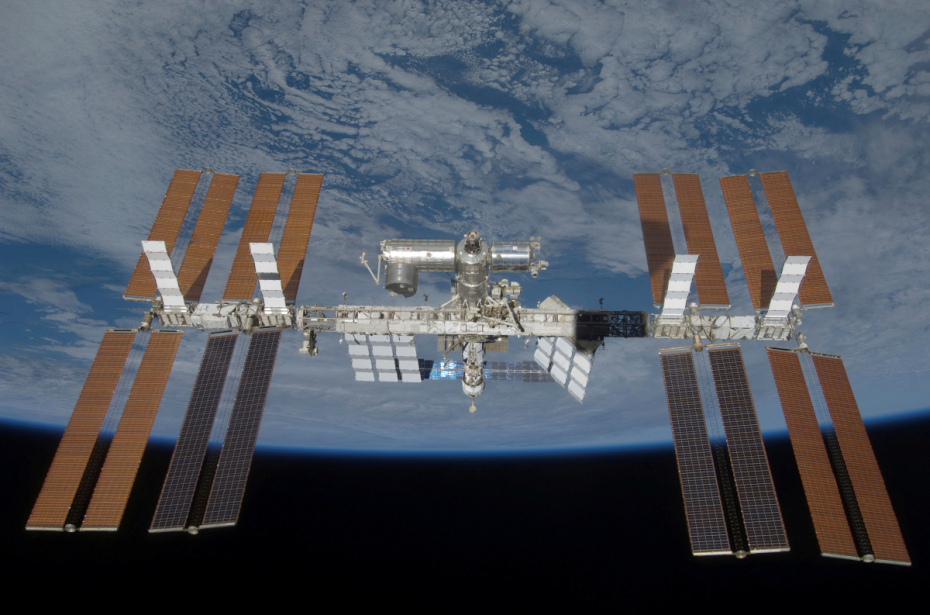
Five astronauts aboard the International Space Station (ISS) were instructed to take shelter and prepare for a possible evacuation on Friday after an air leak in the Russian segment of the orbital outpost worsened, according to NASA.
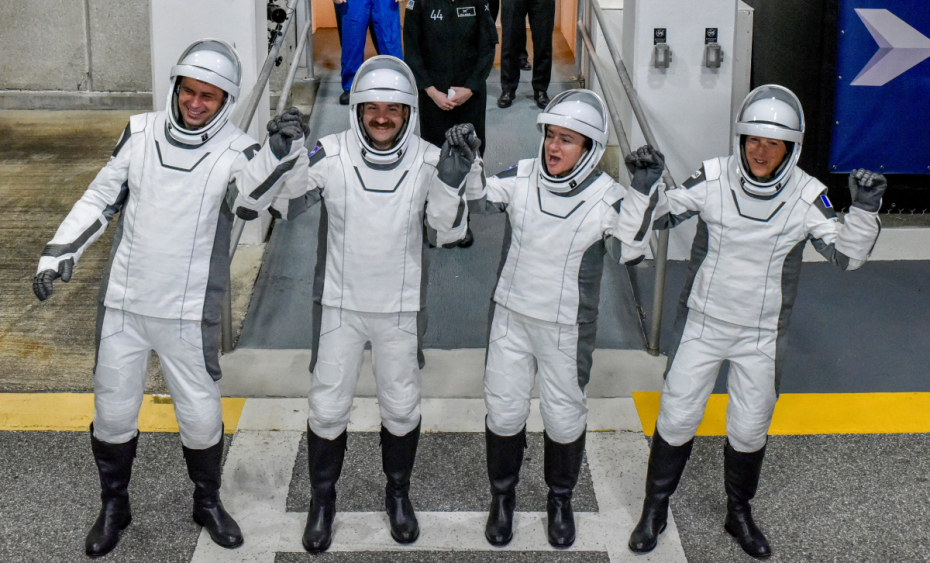
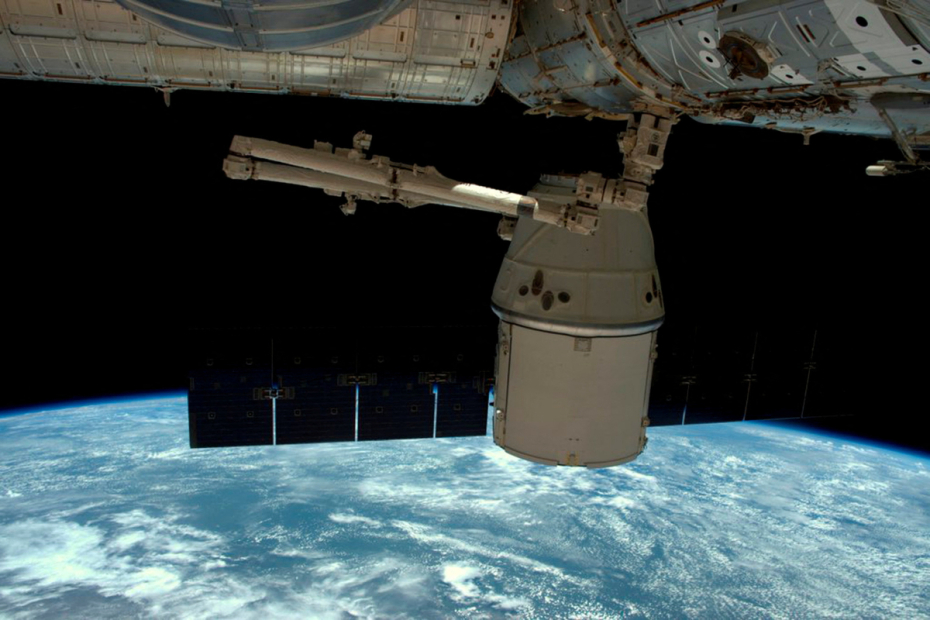
The four members of NASA’s Crew-12 mission, two American astronauts, one French astronaut and one Russian cosmonaut, together with another U.S. astronaut, were directed by mission control in Houston to move into their docked SpaceX Crew Dragon spacecraft at 9:04 a.m. Eastern Time (13:04 GMT).
The precautionary measure remained in place for around two hours before NASA authorised the astronauts to return to the station while engineers assessed the leak and its rate of air loss.
Long-running leak issue in Russian module
NASA and Russia’s space agency, Roscosmos, have been investigating recurring air leaks in the Zvezda service module, a critical section of the ISS where astronauts live and work.
Roscosmos said specialists had identified two separate leaks on Friday. One was sealed quickly, while preparations were made to repair the second. The agency stressed there was no immediate danger to the crew or the station’s systems.
According to a senior NASA official, the leak rate increased significantly during the day, rising from approximately one pound of air per day to two pounds.
Disagreement over repair approach
The station currently hosts seven astronauts. The Crew-12 mission includes NASA astronauts Jessica Meir and Jack Hathaway, European Space Agency astronaut Sophie Adenot, and Roscosmos cosmonaut Andrey Fedyaev, who arrived at the ISS in February.
They are joined by NASA astronaut Christopher Williams and Roscosmos cosmonauts Sergey Kud-Sverchkov and Sergei Mikayev, who reached the station in November.
NASA officials reportedly objected to a proposed repair method by the Russian crew, who planned to use a saw to gain access to the suspected leak location. The disagreement prompted mission controllers to order the safe-haven procedure as a precaution.
NASA later lifted the order after Roscosmos suspended the repair work.
“We look forward to working with Roscosmos on a collaborative approach to address the leaks,” NASA spokesperson Bethany Stevens said.
Rare safety measure
Safe-haven procedures are uncommon aboard the ISS and are typically triggered by potential threats such as space debris or changes in cabin pressure. Despite several incidents over the years, astronauts have never been forced to abandon the station during its 27-year operational history.
Debate over ISS future continues
The incident comes as lawmakers in the United States consider legislation that would extend the ISS programme by two years, allowing operations to continue until 2032.
The proposal is supported by Republican Senator Ted Cruz and Democratic Senator Maria Cantwell, the leading members of the Senate Committee on Commerce, Science and Transportation. Supporters argue that an extension would provide additional time for commercial companies to develop successor space stations while helping the United States maintain its position in an increasingly competitive space environment, particularly as China expands its presence in orbit.
Negotiations continue in both chambers of Congress as lawmakers seek agreement on the measure.
Read more:












What is your opinion on this topic?
Leave the first comment