South Caucasus emerges as bridge between Europe and Asia
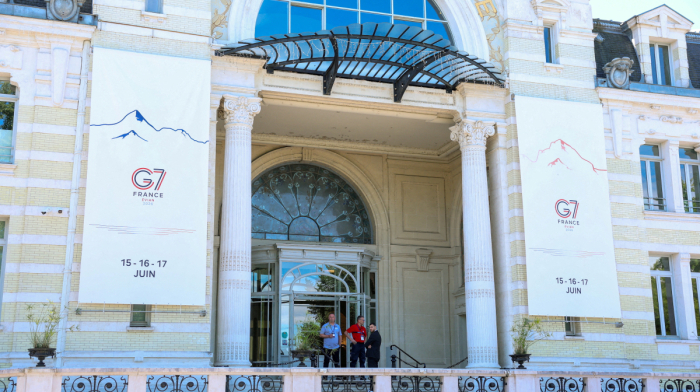
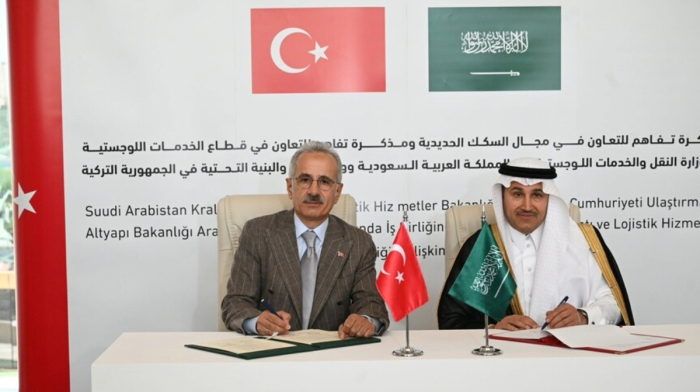
Europe is increasingly viewing the South Caucasus not as a region of frozen conflicts, but as a space of opportunity, stability and strategic connecti...
Elon Musk-owned artificial intelligence firm xai has acquired a 1-million-square-foot property in southwest Memphis, the Greater Memphis Chamber reported on Friday.
The move comes as the startup ramps up plans to expand its Colossus supercomputer—a key component in Musk’s strategy to enhance its AI infrastructure and compete with rivals like Openai.
According to the Chamber, the new property purchase builds on xai’s December announcement outlining an ambitious expansion to house at least one million graphics processing units (GPUs) as part of the Colossus project. The facility is expected to support the growing demand for AI computing power and is described as being “well on the path to the supercluster size” that xai envisions.
The investment is part of a broader trend in the tech industry where companies are scaling up their data center and supercomputing capabilities amid intensifying competition. However, the expansion of AI infrastructure has drawn criticism from environmental activists, who warn that data centers can consume large amounts of energy.
In related developments, the Memphis Chamber noted that xai’s new facility follows an $80 million water recycling plant and features the world’s largest deployment of Tesla Megapacks for data center operations. Additionally, it was reported on Wednesday that Tesla will soon break ground on a 1-million-square-foot factory in Texas to manage and store its Megapack energy products.
xai’s strategic expansion is seen as a significant step in Musk’s broader efforts to solidify his company’s position in the competitive AI landscape, particularly as tensions have risen with competitors in the sector.
Liverpool confirmed direct qualification to the UEFA Champions League round of 16 with a 6-0 win over Qarabağ at Anfield in their final league-phase match. Despite the setback, Qarabağ secured a play-off spot, with results elsewhere going in the Azerbaijani champions’ favour on the final matchday.
China is supplying key industrial equipment that has enabled Russia to speed up production of its newest nuclear-capable hypersonic missile, an investigation by The Telegraph has found, heightening concerns in Europe over Moscow’s ability to threaten the West despite international sanctions.
Storm Kristin has killed at least five people and left more than 850,000 residents of central and northern Portugal without electricity on Wednesday (28 January), as it toppled trees, damaged homes, and disrupted road and rail traffic before moving inland to Spain.
U.S. Secretary of State Marco Rubio said the Iranian government is likely weaker than at any point in recent history, warning that protests could reignite despite a violent crackdown that has killed thousands.
Russian President Vladimir Putin said he was ready to assist in rebuilding Syria’s war-damaged economy as the country's interim President Ahmad al-Sharaa made his second visit to Moscow in less than four months on Wednesday (28 January).
China has approved the first batch of Nvidia's H200 artificial intelligence (AI) chips after Washington allowed limited sales, paving the way for major Chinese technology companies to gain access to processors that remain far ahead of domestic alternatives.
TikTok has reached a confidential settlement in a landmark lawsuit over youth mental health, leaving Meta and YouTube to face a jury in California as the first major trial of its kind gets underway.
China has successfully completed its first metal 3D printing experiment in space, marking a significant step forward in the country’s efforts to develop in-orbit manufacturing capabilities.
A faint hand outline found in an Indonesian cave has been dated to at least 67,800 years ago, making it the oldest known example of rock art and offering new insight into early human migration across Southeast Asia.
New modelling suggests Mars shapes some of Earth’s long-term orbital rhythms, including shorter eccentricity cycles and a 2.4-million-year pattern that vanishes without its gravitational pull.
You can download the AnewZ application from Play Store and the App Store.
What is your opinion on this topic?
Leave the first comment