



12:49 CET
Yemen's Houthis
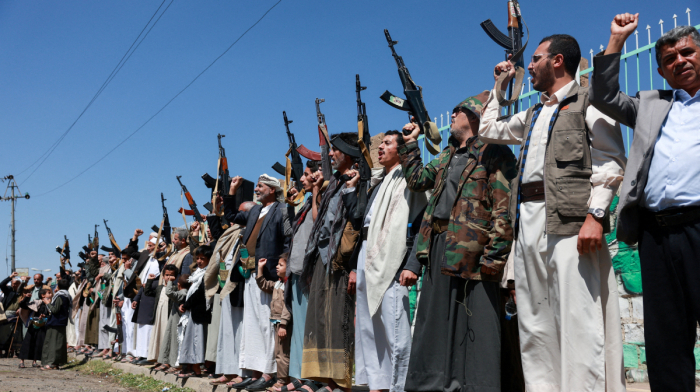
Three Saudi nationals killed in attacks on Riyadh airport
Saudi Arabia's civil aviation authority ...
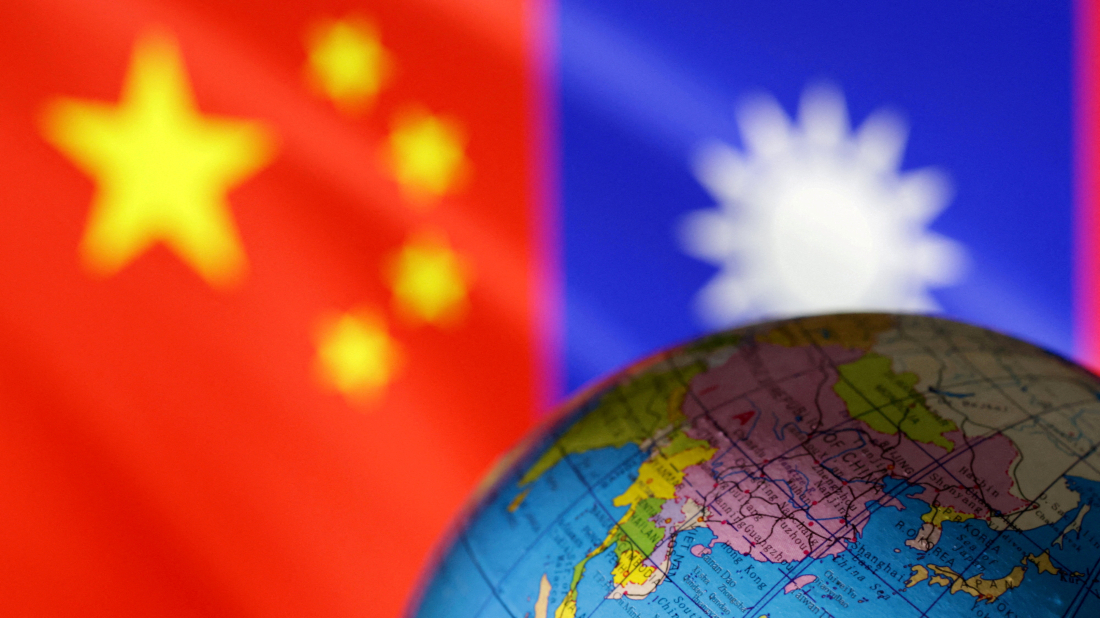


Taiwan's President Lai Ching-te urged China on Friday to "unclench its fists" and not take any unilateral actions, saying ahead of expected Chinese war games around the island that Beijing would not win any respect for military drills.
Taiwan's President Lai Ching-te urged China on Friday to "unclench its fists" and not take any unilateral actions, saying ahead of expected Chinese war games around the island that Beijing would not win any respect for military drills.
China, which claims democratically governed Taiwan as its own territory, is expected to launch another round of exercises in response to Lai's trip to the Pacific, which has included stopovers in Hawaii and the U.S. territory of Guam, according to security sources.
Speaking to reporters in the Pacific Islands nation of Palau on the final day of his tour, Lai said he hoped China, which has condemned his visits to the United States, would return to the rules-based international order.
"It's better to open your hands than to clench your fists. Only by doing so can China win respect from the international community," Lai said in comments carried live on Taiwanese television.
"No matter how many military drills China stages and how many ships and aircraft they dispatch to intimidate regional countries, China will not win the respect from any country," he added, urging Beijing to stop "unsettling and regrettable" unilateral actions.
Asked about possible Chinese drills, Lai said Taiwan's engagement with the world "should not be used by authoritarian countries as an excuse for provocation".
Taiwan's government has a full grasp of the security situation in the region and has made the "best preparations" to ensure the security of the Taiwan Strait separating the island from China, he said.
Beijing detests Lai, branding him a "separatist", and has rejected multiple offers of talks by him.
Lai rejects Beijing's sovereignty claims, saying only Taiwan's people can decide their future and that Taiwan has a right to engage with the rest of the world.
Lai reiterated that while Taiwan wants engagement with China, he cannot have any illusions about peace and that Taiwan must continue to strengthen its defences.
Peace is priceless and there are no winners in a war, he added, repeating comments he made in Hawaii after visiting a memorial to the 1941 Japanese attack on Pearl Harbor.
China has staged two rounds of war games around Taiwan so far this year, one in May shortly after Lai's inauguration and another in October following his national day speech.
In Guam on Thursday, Lai spoke with U.S. congressional leaders, including House of Representatives Speaker Mike Johnson, ahead of Donald Trump returning to the White House on Jan. 20.
Trump unnerved Taiwan during the U.S. presidential campaign, saying the island "should pay us for defence" and that Taiwan had taken virtually all of the U.S. semiconductor industry's business.
Lai said Taiwan enjoys strong bipartisan support in the United States and that he was optimistic that he can deepen ties with the incoming U.S. administration.
"Taiwan is confident that we can continue to deepen cooperation with the new U.S. government and resist the expansion of authoritarianism."

Saudi Arabia's civil aviation authority ...

Azerbaijan is prepared to chair the Commonwealth of Independent States (CIS) in 2028, the country's President Ilham Aliyev has said. He made th...
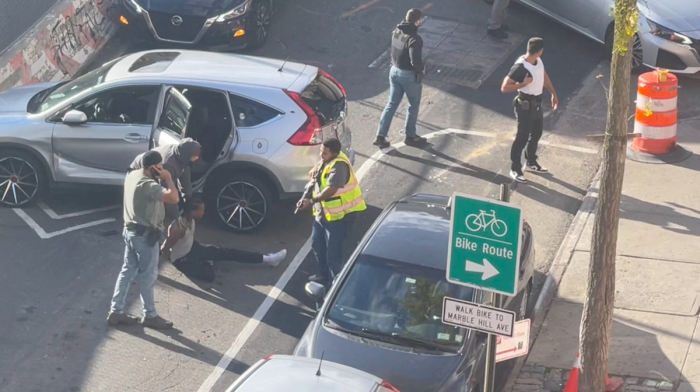
U.S. federal immigration agents shot and wounded a man in a car with a five-year-old boy inside in New York City’s Bronx neighbourhood on Thu...
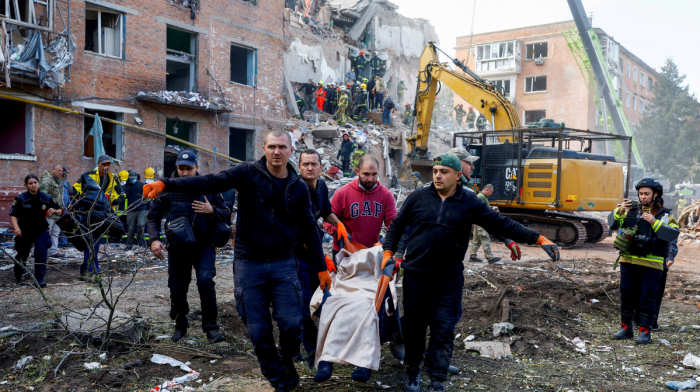
Russia struck Ukraine overnight in one of the biggest attacks of the conflict, killing at least 19 people, Kyiv's Foreign Ministry said on Wednesday. Around 70 missiles were fired at Ukraine during the attack, as well as drones, the Ministry said.
Azerbaijan is prepared to chair the Commonwealth of Independent States (CIS) in 2028, the country's President Ilham Aliyev has said. He made the remarks as regional leaders met at the CIS Council of Heads of State meeting in Awaza, Turkmenistan.
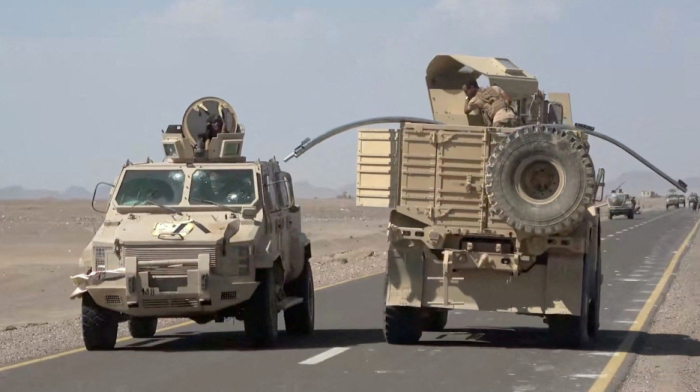
The Saudi-led coalition says it has carried out a series of military operations against Houthi targets in Yemen after attacks on two Saudi airports left three people dead and dozens injured.
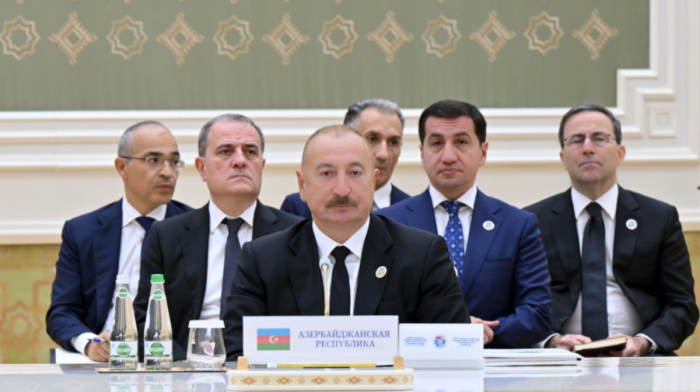
Azerbaijan and the five Central Asian states have signed two key documents at the 8th Consultative Meeting of Heads of State in Turkmenbashi, formalising a broader framework for regional cooperation in transport, trade, energy, digitalisation and security.
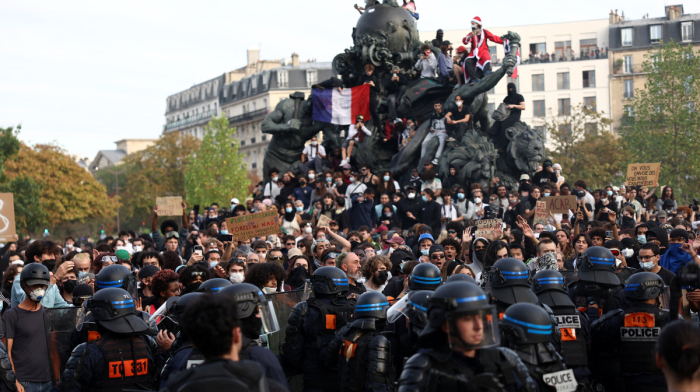
It started with classrooms. Too many students, not enough teachers, deteriorating buildings and growing anxiety over what comes after high school. But within weeks, a movement that began outside French lycées had spread across the country.
Saudi Arabia's civil aviation authority said on Friday that three Saudi nationals were killed and several people were injured in two attacks on King Khalid International Airport in Riyadh on Thursday (8 October).
Azerbaijan is prepared to chair the Commonwealth of Independent States (CIS) in 2028, the country's President Ilham Aliyev has said. He made the remarks as regional leaders met at the CIS Council of Heads of State meeting in Awaza, Turkmenistan.
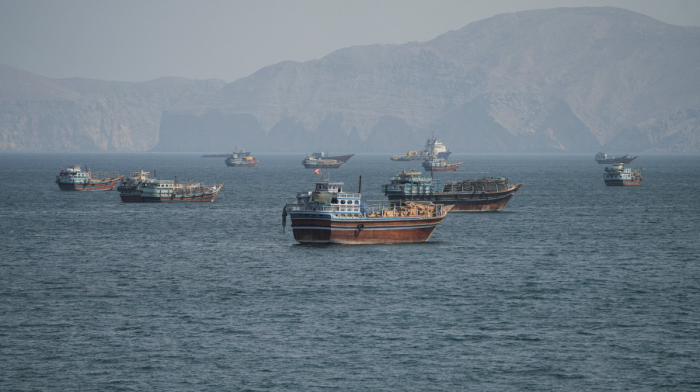
Several powerful explosions reported in the south of the Strait of Hormuz on Thursday may have been triggered by oil tankers hitting naval mines, Iranian state broadcaster IRIB has reported, citing unnamed military sources.
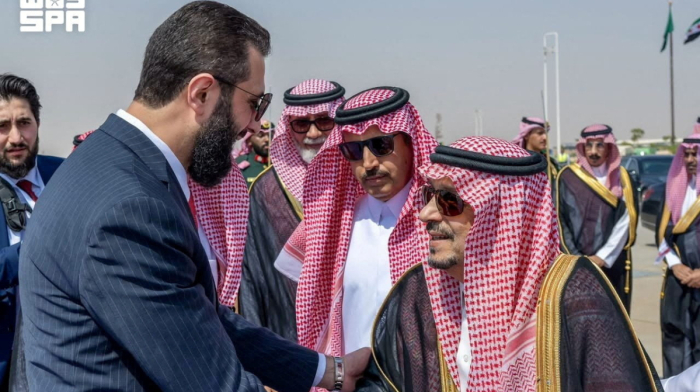
Syria is carefully considering providing military assistance to key ally Saudi Arabia amid an escalating war against the Iran-backed Houthis in Yemen, a U.S. official and a Syrian military official briefed on the matter said.
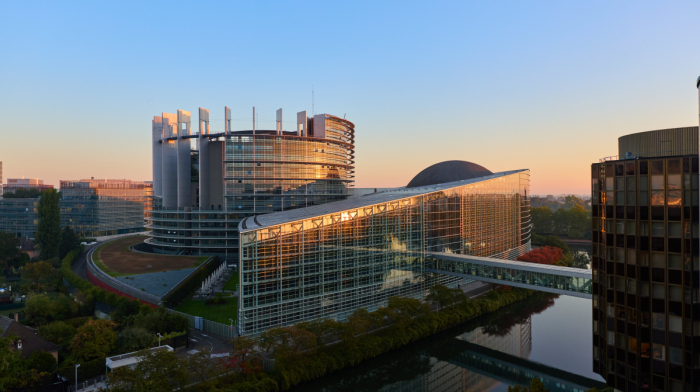
The European Parliament has adopted a resolution condemning Georgian Dream’s attempt to ban opposition parties and calling for targeted sanctions against senior Georgian officials.
You can download the AnewZ application from Play Store and the App Store.




What is your opinion on this topic?
Leave the first comment