'All very positive': U.S. President Trump hails call with China's President Xi
U.S. President Donald Trump held an “excellent” phone call with Chinese President Xi Jinping on Wednesday, (4 February), to discuss trade, energy,...
Entrepreneur Nelson Yang is reaching back into Taiwan's history to turn the humble banana plant into an unlikely sustainable textile. Taiwan is now the world's dominant producer of advanced semiconductors but the yellow fruit, still widely grown on the island, was once a source of patriotic pride.
Yang's Farm to Material, headquartered in the central Changhua rural belt, is turning banana fibre into textiles he hopes will one day supply global sneaker brands.
"Back in 2008, European (sneaker) brands told us that they were hoping to find a way for food and materials to be produced in parallel, meaning that food and materials are yielded from the same land," he told Reuters.
"So we've been working based on that concept. What we're doing now is making sure that all our material sources come from food or leftovers from agriculture or the food industry. We then transform those leftovers into usable materials."
Under Japanese colonial rule from 1895-1945, Taiwan was renowned for its fruit, especially pineapples and bananas, and in the 1960s, the island branded itself the "banana kingdom" to boost exports, now long since overtaken by the tech industry.
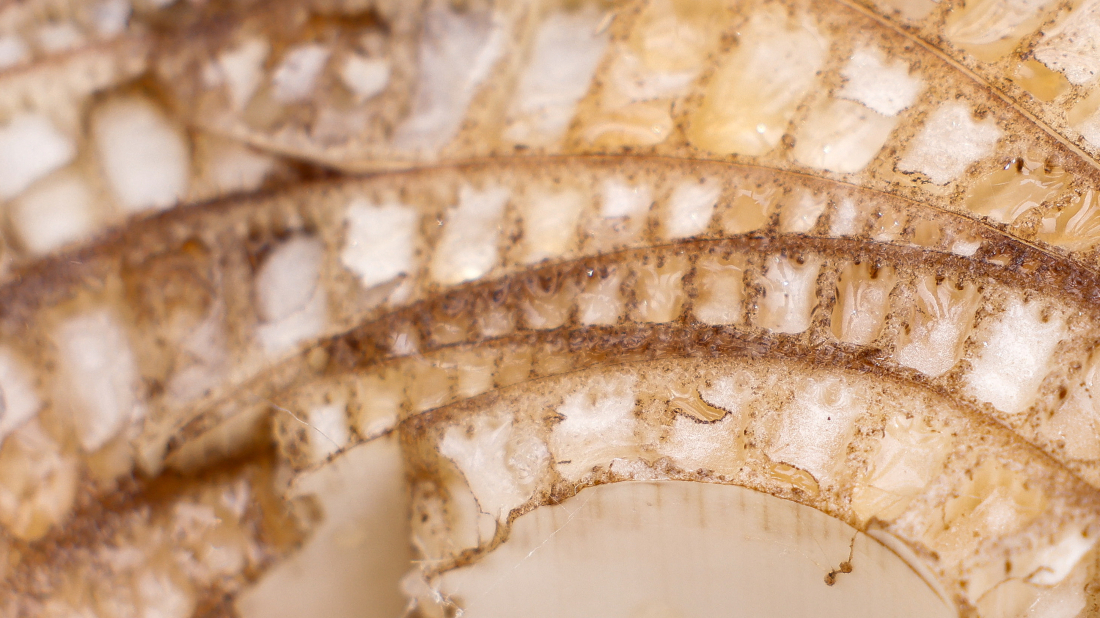
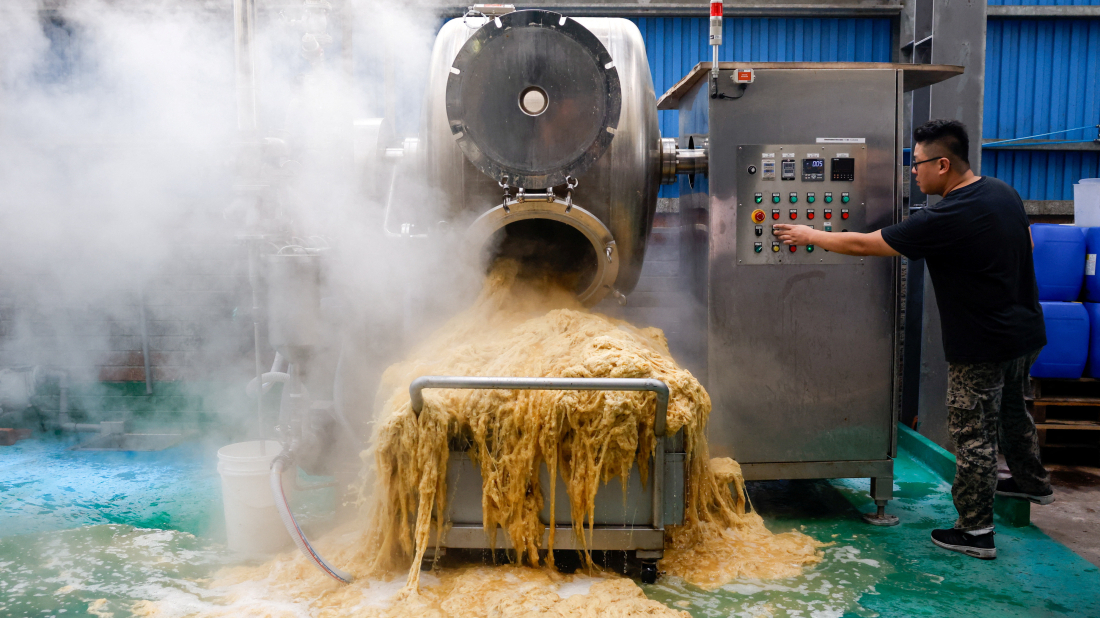
Yang's company takes the middle section of the banana plant, known as the pseudostem and normally abandoned in the field after harvest, then crushes and dries it to produce the fibres that can make clothing.
Some of the fibres are turned into yarn that can be blended with cotton for socks and can also be turned into vegan leather.
The business is still in its infancy with no orders from apparel companies.
"Banana fibre actually performs better than regular cotton in terms of water consumption, absorbency, and supply stability, making it highly promising for future applications," said Charlotte Chiang, director of the innovation and sustainable design department at the Taiwan Textile Federation.
"Banana fibre could become a new highlight for Taiwan in the field of biomass fibre in the textiles industry."

Cuba’s Deputy Foreign Minister Carlos Fernández de Cossío has denied that Havana and Washington have entered formal negotiations, countering recent assertions by U.S. President Donald Trump, while saying the island is open to dialogue under certain conditions.
Talks with the U.S. should be pursued to secure national interests as long as "threats and unreasonable expectations" are avoided, President Masoud Pezeshkian posted on X on Tuesday (3 February).
Ukrainian President Volodymyr Zelenskyy accused Russia on Tuesday (3 February) of exploiting a U.S.-backed energy ceasefire to stockpile weapons and launch large-scale drone and missile attacks on Ukraine ahead of peace talks.
Rivers and reservoirs across Spain and Portugal were on the verge of overflowing on Wednesday as a new weather front pounded the Iberian peninsula, compounding damage from last week's Storm Kristin.
Paris prosecutors have summoned X chairman Elon Musk and former chief executive Linda Yaccarino for questioning in April as part of their probe into the X social media network, they said on Tuesday.
Wall Street ended sharply lower on Tuesday as investors worried about artificial intelligence (AI) creating more competition for software makers, keeping them on edge ahead of quarterly reports from Alphabet and Amazon later this week.
U.S. stock markets finished mixed on Wednesday (28 January) as investors reacted calmly after the Federal Reserve left interest rates unchanged, a decision that had been widely expected and largely priced in.
The S&P 500 edged to a record closing high on Tuesday, marking its fifth consecutive day of gains, as strong advances in technology stocks offset a sharp selloff in healthcare shares and a mixed batch of corporate earnings.
Chevron is in talks with Iraq’s oil ministry over potential changes to the commercial framework governing the West Qurna 2 oilfield, one of the world’s largest producing assets, after Baghdad nationalised the field earlier this month following U.S. sanctions imposed on Russia’s Lukoil.
Argentina's economic activity shrunk 0.3% in November compared with the same month last year, marking the first monthly contraction of 2025, data from Argentina's national statistics agency showed on Wednesday.
You can download the AnewZ application from Play Store and the App Store.
What is your opinion on this topic?
Leave the first comment