Turkish President Recep Tayyip Erdogan has emphasized that deepening energy cooperation between Türkiye and Azerbaijan is not only advancing mutual interests but also reinforcing energy security for Europe and the wider region, as geopolitical risks continue to test global supply chains.
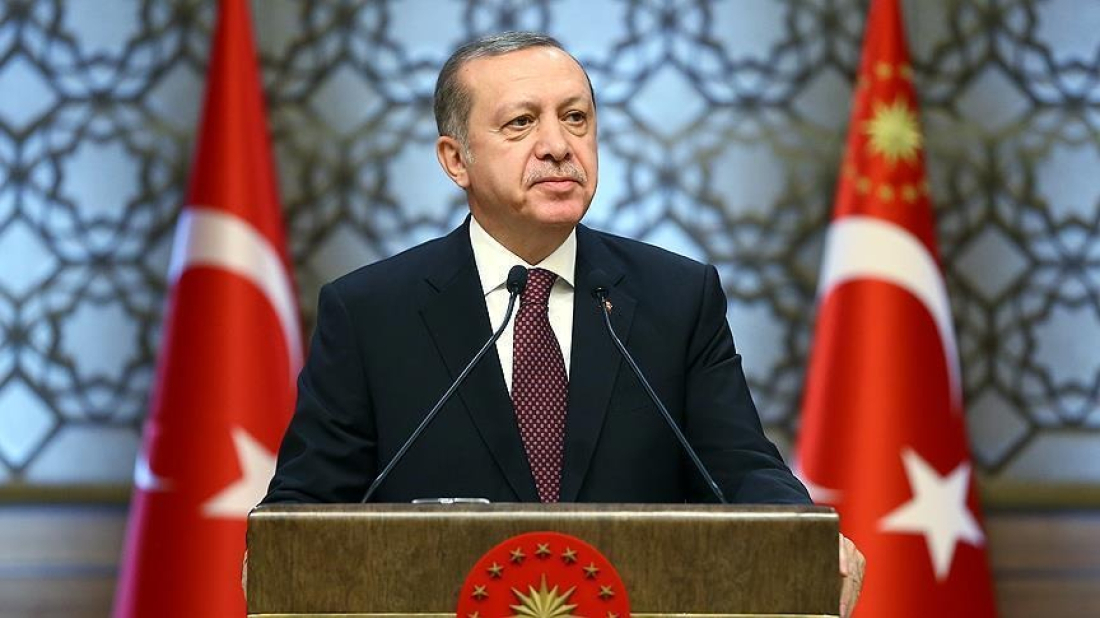
In a message read by Turkish Energy and Natural Resources Minister Alparslan Bayraktar at the opening of Baku Energy Week, Erdogan highlighted the enduring strategic value of joint energy projects. “Our cooperation, marked by key infrastructure such as the Baku-Tbilisi-Ceyhan oil pipeline, South Caucasus gas pipeline (Baku-Tbilisi-Erzurum), and the Trans-Anatolian Natural Gas Pipeline (TANAP), continues to benefit both nations and Europe’s energy security,” Erdogan said.
New Pipeline and Power Connectivity Projects
The Turkish president pointed to the successful launch of the Igdir–Nakhchivan natural gas pipeline in March 2025 as the latest example of energy-driven regional integration. The pipeline, which connects eastern Türkiye with Azerbaijan’s Nakhchivan exclave, aims to secure energy access and strengthen bilateral resilience in energy supply.
Erdogan also stressed the importance of enhancing electricity interconnection between the two countries. He announced that Türkiye has signed a memorandum of understanding with Azerbaijan, Georgia, and Bulgaria for the development of a green electricity corridor, enabling cross-border electricity transmission and trade, including renewable sources.
“We aim to complete this project, another historic step for the energy security and prosperity of our region, as soon as possible,” Erdogan said.
Focus on Natural Gas and Regional Integration
President Erdogan further noted the growing strategic role of Azerbaijan in supplying natural gas to both Türkiye and Europe, particularly amid current geopolitical disruptions and energy supply uncertainties.
“In the coming period, we have an important opportunity to strengthen our cooperation on the export of Turkmen gas through Azerbaijan and Türkiye,” he stated, referencing ongoing efforts to establish a southern corridor for gas that bypasses traditional routes through Russia.
The export of Turkmen gas via Azerbaijan and Türkiye is expected to diversify Europe’s energy imports, reduce dependency on single-source suppliers, and boost economic development in Central Asia and the Caucasus.
Strategic Outlook
Erdogan’s remarks come at a time when global energy markets remain highly volatile, and energy security has become a top priority for European nations in the wake of the Russia–Ukraine conflict. The expansion of Türkiye–Azerbaijan energy cooperation reflects a long-term alignment on regional stability, infrastructure development, and export diversification.
With TANAP serving as the backbone of the Southern Gas Corridor and new power infrastructure on the horizon, both Ankara and Baku are positioning themselves as critical energy gateways connecting Central Asia, the South Caucasus, and Europe.









What is your opinion on this topic?
Leave the first comment