Iran strikes: Why now and what next for the leadership in Tehran?
Journalist and International Affairs Commentator, Tom Gross, joined AnewZ from Tel Aviv to tell us why he thinks the attack happened now and whether t...
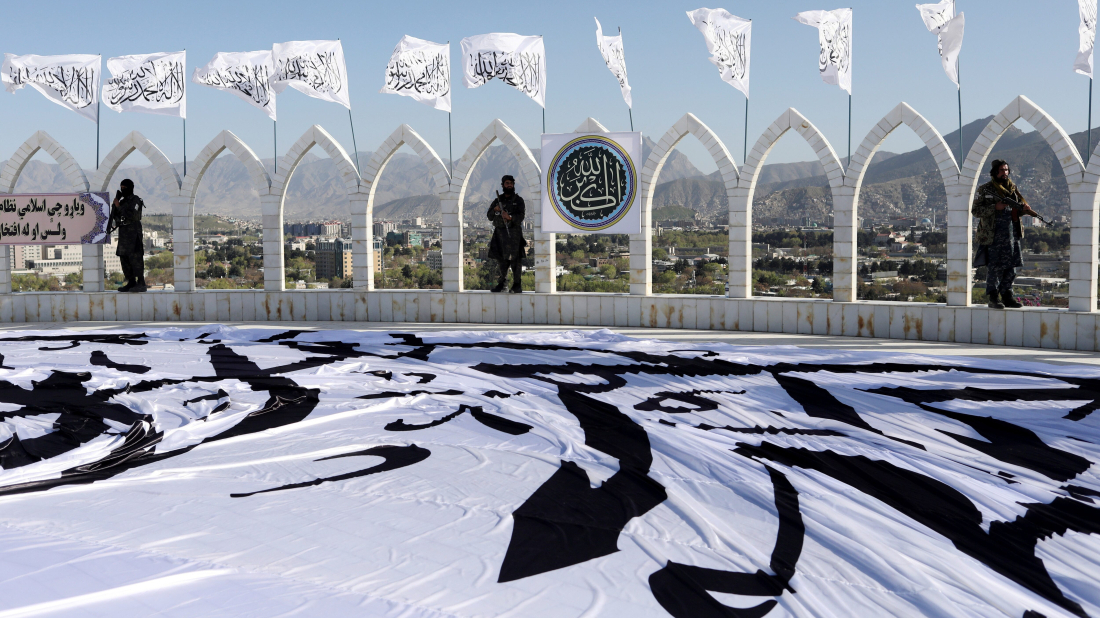
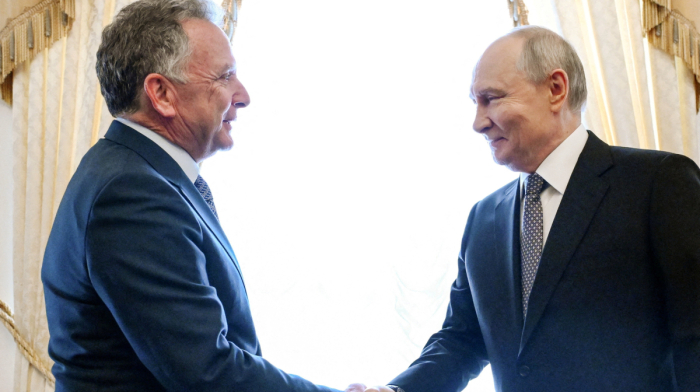
Russia has officially accepted the Taliban's nomination of an ambassador to Moscow, the Afghan foreign ministry said in a statement on Sunday, as economic and political ties grow between the two sanctions-hit nations.
Russia in April suspended its ban on the Taliban, which it had designated for more than two decades as a terrorist organisation, in a move that paved the way for Moscow to normalise ties with the leadership of Afghanistan.
No country has formally recognised the Taliban's government, which took over the country in 2021 as U.S.-led forces withdrew.
"We hope this new phase will allow both countries to expand cooperation in various fields," said Amir Khan Muttaqi, the Taliban's acting foreign minister, in a statement.
China in 2023 became the first country to accept a diplomat at ambassador level from the Taliban and several countries have since followed, including Pakistan which announced it would upgrade the position this week. Diplomats say formally presenting ambassadorial credentials to a foreign head of state signals a step towards recognition.

Follow the latest developments and global reaction after the United States and Israel launched "major combat operations" in Iran, prompting retaliation from Tehran.
Tensions between the U.S. and Iran are escalating, with Washington ordering a significant military build-up in the region and multiple countries evacuating diplomatic staff amid fears of further instability.
Two people were killed and around 40 injured when a tram derailed in central Milan on Friday (27 February), a spokesperson for the local fire service said.
Pakistani air strikes hit a weapons depot on the western outskirts of Kabul overnight, triggering hours of secondary explosions that rattled homes across the Afghan capital and left residents fearing further violence.
Iran’s top diplomat said that the next round of nuclear talks is expected in less than a week after what he described as “progress in the most serious exchanges” between Tehran and Washington. The statement follows the third round of nuclear talks on Thursday (26 February) in Geneva.
Journalist and International Affairs Commentator, Tom Gross, joined AnewZ from Tel Aviv to tell us why he thinks the attack happened now and whether this could mark the beginning of the end for the Iranian leadership.
Follow the latest developments and global reaction after the United States and Israel launched "major combat operations" in Iran, prompting retaliation from Tehran.
Following the U.S.-Israel strikes, Iran has called for an urgent meeting of the United Nations Security Council to be held on Monday (2 March), and vowed strong retaliation to the attacks. Touraj Shiralilou sent this update from Tehran.
The international reaction to the U.S. and Israel’s strikes on Iran came in fast and strong.
Governments across the region responded swiftly to Israel’s strikes on Iran, closing airspace, issuing travel advisories and activating contingency plans amid fears of escalation.
You can download the AnewZ application from Play Store and the App Store.
What is your opinion on this topic?
Leave the first comment