Iran executes man accused of spying for Israel
Iran has executed a man accused of spying for Israel’s Mossad intelligence service, the country’s judiciary reported on Wednesday, 7 January, amid...
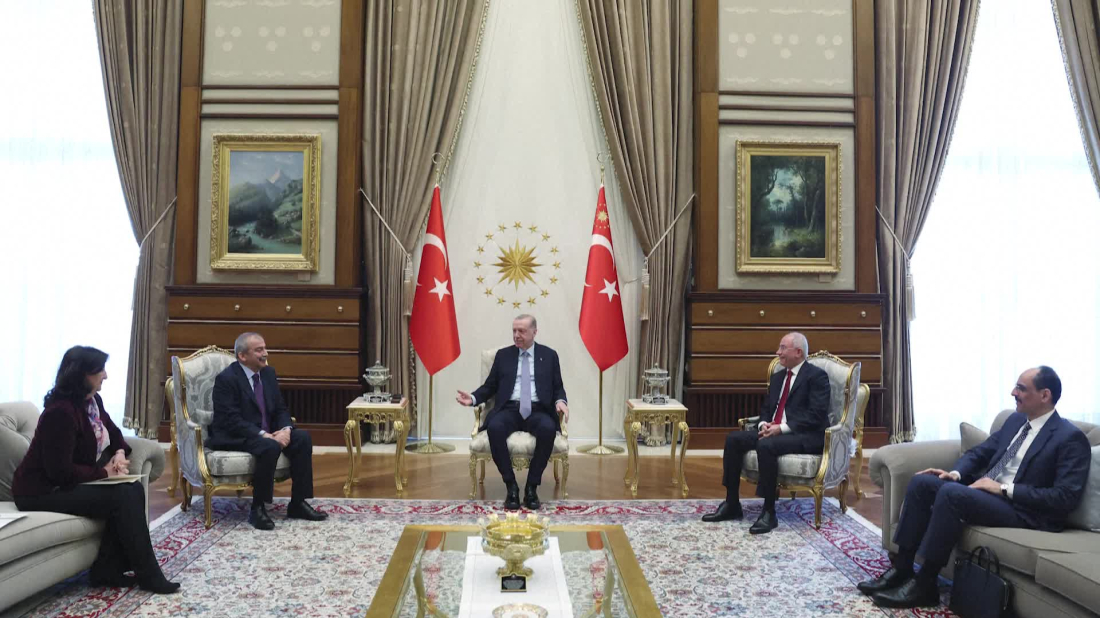
Turkish President Recep Tayyip Erdogan held a significant meeting with officials from the pro-Kurdish Democratic Party (DEM) on Wednesday, April 10, to discuss the next steps in the ongoing ceasefire process with Kurdish militants.
The meeting included Sirri Sureyya Onder and Pervin Buldan, two DEM Party lawmakers who had previously met with PKK leader Abdullah Öcalan in prison. Öcalan’s call for the PKK to dissolve itself in February had marked a pivotal moment in the peace talks.
For Buldan, the meeting with Erdogan marked a historic moment. Speaking to the press outside the Türkiye parliament before heading to the presidential palace, Buldan emphasized that this was the first time Erdogan had engaged with a member of the delegation that met Öcalan. She explained that the conversation would revolve around the progress of the ceasefire process, with both sides offering their views and suggestions for the future.
The meeting, which lasted about 85 minutes, was a key opportunity for both sides to exchange perspectives on the ongoing peace process. A formal statement is expected to be released later Thursday, according to the DEM Party.
The Kurdish insurgency, which began in 1984, has claimed the lives of more than 40,000 people and left tens of thousands injured, including members of Türkiye's security forces, militants, and civilians. The violence has had a profound impact on both Türkiye society and its long-standing efforts to resolve the conflict.

Germany’s foreign intelligence service secretly monitored the telephone communications of former U.S. President Barack Obama for several years, including calls made aboard Air Force One, according to an investigation by the German newspaper Die Zeit.
Israeli media report that Israeli Prime Minister Benjamin Netanyahu chaired a lengthy security meeting that reportedly focused on the country’s regional threats, including Gaza, Lebanon, and Iran.
At the end of last year, U.S. President Donald Trump was reported to have raised the Azerbaijan–Armenia peace agenda during a conversation with Israel’s prime minister, warning that if peace were not achieved, Washington could raise tariffs on both countries by 100 percent.
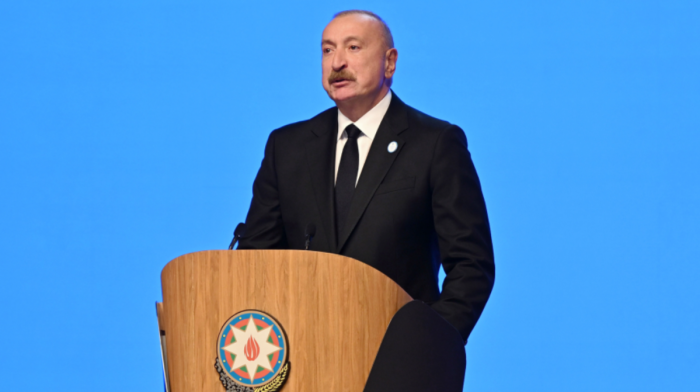
President Ilham Aliyev said 2025 has politically closed the Armenia-Azerbaijan conflict, as a Trump-era reset in U.S. ties, new transport corridors and a push into AI, renewables and defence production reshape Azerbaijan’s priorities.
Dmitry Medvedev has warned that Ukrainian President Volodymyr Zelenskyy could face the same fate as Venezuelan leader Nicolás Maduro, following what he described as a U.S. ‘abduction’ of the Venezuelan president.
Iran has executed a man accused of spying for Israel’s Mossad intelligence service, the country’s judiciary reported on Wednesday, 7 January, amid an intensifying campaign against alleged foreign agents.
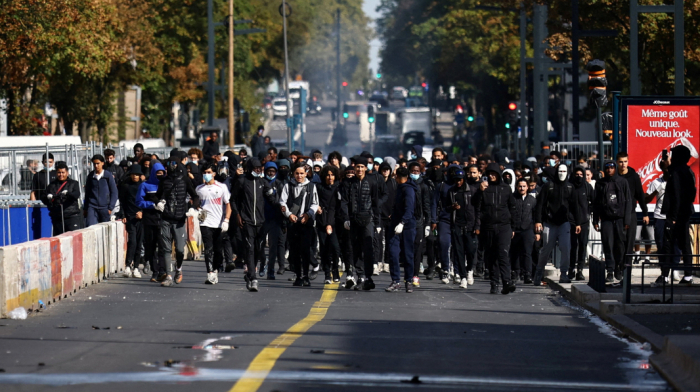
Protests continued into another day in Iran, with crowds returning to the streets despite mounting pressure from the authorities. By scale and spread, the unrest has entered its most significant phase so far.
International law remains codified through treaties, charters, and resolutions, but enforcement depends largely on political will. When major powers choose not to comply, there is no global authority capable of compelling implementation.
President Ilham Aliyev has said Azerbaijan is not considering participation in any combat or peace enforcement mission in the Gaza Strip, stressing that any discussion of involvement depends on a clearly defined international mandate, the nature of the mission, and the consent of all parties.
Iran has denounced the U.S. detention of Venezuelan President Nicolás Maduro, describing the operation as an ‘abduction’ and calling for his immediate release.
You can download the AnewZ application from Play Store and the App Store.
What is your opinion on this topic?
Leave the first comment