AnewZ Morning Brief - 14 March, 2026
Start your day informed with AnewZ Morning Brief. Here are the top news stories for the 13rd of March, coveri...
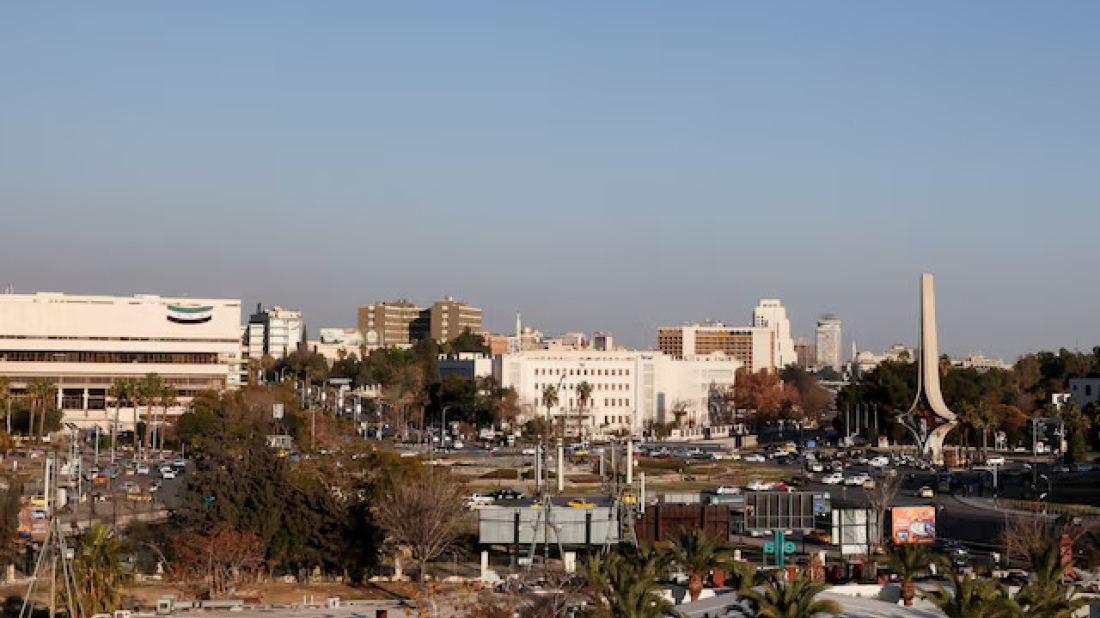
Syria has welcomed a United Nations resolution aimed at investigating human rights abuses and improving the country’s record following 13 years of brutal civil conflict under former President Bashar al-Assad’s regime.
The resolution, which calls on Syria’s new government to support inquiries into crimes committed since the conflict began in 2011, passed unanimously at the Human Rights Council in Geneva on Friday.
The move signals a shift in the stance of the 47-member council, now showing increased support for Syria’s efforts to reform and address past violations. “Such international support serves as a strong incentive to continue the path of reform,” said Haydar Ali Ahmad, Syria’s ambassador to the UN in Geneva.
The resolution comes amid significant changes in Syria’s political landscape. Rebels led by Ahmed al-Sharaa, now president of the new transitional government, seized control of Damascus in December, prompting former President Assad to flee to Russia. The 13-year conflict has resulted in the disappearance of more than 100,000 people, alongside widespread reports of torture and the use of chemical weapons.
Under mounting pressure to demonstrate a clear break from its past, Syria’s new government welcomed the resolution. “We are proud of Syria’s positive and constructive participation in drafting the resolution for the first time,” said Foreign Minister Asaad al-Shibani in a statement posted on social media.
Members of the Human Rights Council urged Syria to uphold the commitments outlined in the resolution, including the establishment of a Commission of Inquiry to investigate serious crimes committed during the war. British Ambassador to the UN Simon Manley described the killing of hundreds of Alwaite civilians in March as a “chilling reminder of the deep wounds” left by the conflict, emphasizing the need for justice and accountability.
The resolution is expected to bolster international efforts to address past abuses and support Syria’s transition toward greater transparency and reform in its human rights practices.

Israel and Iran continued to exchange strikes on Friday (13 March), as the U.S. and French militaries reported deaths in Iraq, and the U.N. launched a $325 million appeal to help Lebanon, where a seventh of the population have left their homes since fighting began.
Israeli Prime Minister Benjamin Netanyahu issued veiled threats to Iran’s new Supreme Leader, Mojtaba Khamenei, and Hezbollah on Thursday (12 March), during his first press conference since the conflict with Iran began.
The U.S. should shut down its military bases in the Middle East, Iran's new Supreme Leader Mojtaba Khamenei said on Thursday (12 March). His words were read out by a broadcaster on state Iranian television.
At least 64 people have been killed in southern Ethiopia following recent landslides and floods, the regional government’s communications office said on Thursday (12 March), citing local police
Ayman Ghazali, a 41-year-old U.S. citizen born in Lebanon, crashed his truck into the hallway of a Detroit-area synagogue on Thursday (12 March) while children attended preschool. Security personnel shot him dead during the confrontation, and authorities said no one else was seriously injured.
A widening conflict involving Iran, the United States and Israel has triggered escalating military strikes across the Middle East, disrupted shipping through the strategic Strait of Hormuz and raised concerns over global energy supplies. This live report tracks the latest developments.
All six U.S. service members aboard a plane that crashed in western on Iraq on Thursday have died, the U.S. military confirmed on Friday (13 March). Meanwhile, one French soldier was killed in a drone attack in the Erbil region of northern Iraq, President Emmanuel Macron announced.
The treatment of some detainees in Georgia “has arguably reached the threshold of torture”, a probe into the country’s human rights situation backed by 23 OSCE members has found.
Israeli Prime Minister Benjamin Netanyahu issued veiled threats to Iran’s new Supreme Leader, Mojtaba Khamenei, and Hezbollah on Thursday (12 March), during his first press conference since the conflict with Iran began.
Iran reacted to the UN Security Council resolution condemning attacks on U.S. bases in regional countries, saying it neglected Tehran’s right to self-defence and demonstrated that the world body is being misused as an instrument to serve Washington’s interests.
You can download the AnewZ application from Play Store and the App Store.
What is your opinion on this topic?
Leave the first comment