live Ali Larijani: Israel says Iran Security Chief has been killed, Middle East conflict - 17 March
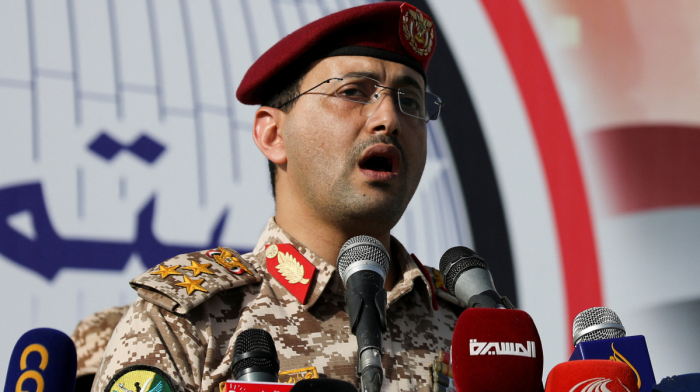
Israel's Defence Minister Israel Katz has said that Iran's security chief Ali Larijani was killed in ta...
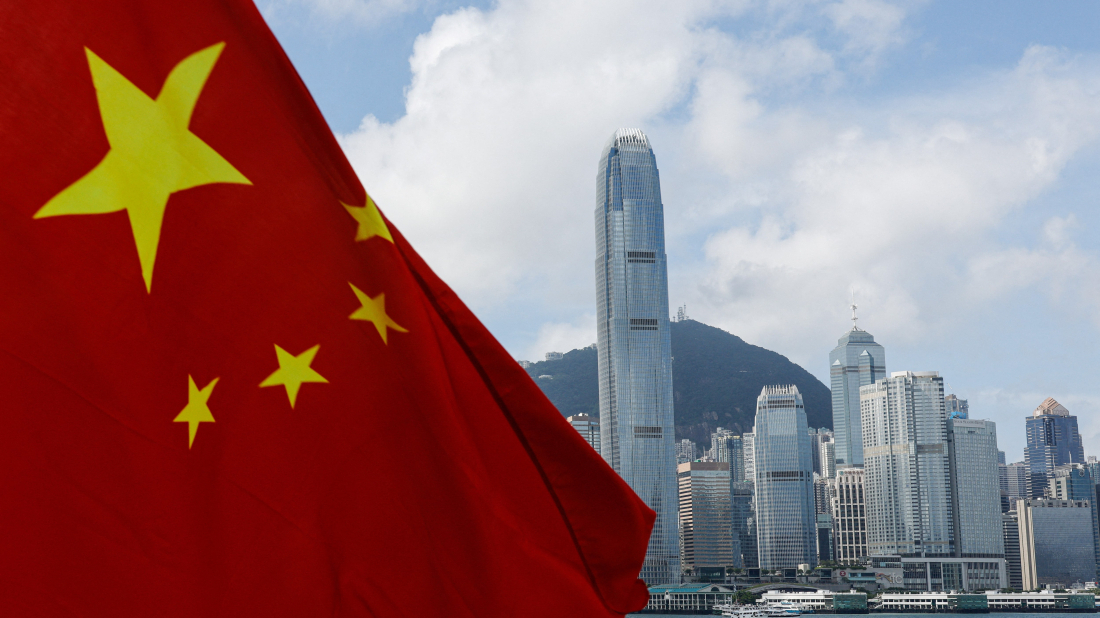
In a retaliatory move against new U.S. tariffs, China’s Commerce Ministry announced Tuesday that it will impose additional tariffs of up to 15% on key U.S. agricultural products, while also expanding controls on business activities with major U.S. companies.
The new tariffs are set to take effect on March 10, with goods already in transit exempt until April 12.
The extra tariffs target several important farm exports, including chicken, pork, soy, beef, wheat, corn, and cotton. Specifically, U.S.-grown chicken, wheat, corn, and cotton will incur an additional 15% tariff, while tariffs on sorghum, soybeans, pork, beef, seafood, fruit, vegetables, and dairy products will be increased by 10%.
China is a major importer of American farm products, and its measures come as a response to U.S. President Donald Trump’s recent tariff hikes— which raised duties on Chinese products to 20% and imposed 25% tariffs on imports from Canada and Mexico. Although U.S. agricultural purchases had dipped after the onset of the trade war during Trump’s first term, they later recovered, making this a significant development for U.S. exporters.
The announcement was made just a day before the annual session of China’s parliament, where economic issues including deflation are expected to be key discussion points. The extra tariffs and expanded trade limits underscore the ongoing tit-for-tat escalation between the two nations as each side seeks to protect its domestic industries amid a broader trade dispute.

The other evening, I was fuelling my car at a petrol station in Kenya’s capital. It was one of those small moments most motorists barely notice. The attendant filled the tank, I glanced at the pump price, paid, and drove off.
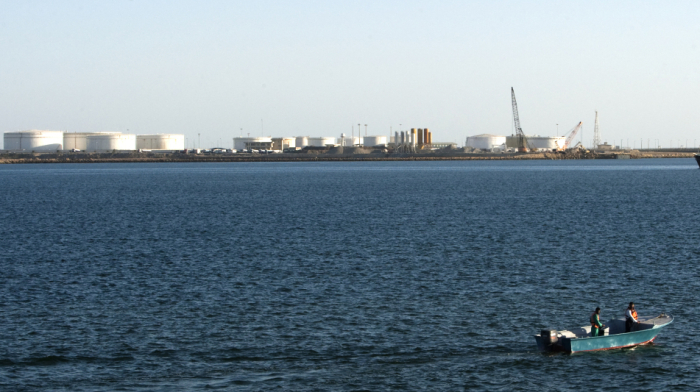
President Trump called on countries to assist in reopening the Strait of Hormuz, while Starmer said the UK is working with allies to restore navigation and stabilise oil markets. It comes as a strike near Iraq’s western border killed several Hashed al-Shaabi fighters, raising regional tensions.
Top U.S. and Chinese economic officials launched a new round of talks in Paris on Sunday (15 March) to resolve issues in their trade truce. The discussions aim to smooth the way for U.S. President Donald Trump’s visit to Beijing to meet Chinese President Xi Jinping at the end of March.
Israel's Defence Minister Israel Katz has said that Iran's security chief Ali Larijani was killed in targeted strikes on the country.
Kazakhstan has adopted a new constitution that could allow President Kassym-Jomart Tokayev to stay in power beyond 2029. The Central Election Commission confirmed that 87.15% of voters backed the constitution in a referendum held on Sunday (17 March).
More than 400 people were killed and around 250 injured in an air strike on a drug rehabilitation hospital in Kabul late on Monday, Afghan officials said, while Pakistan rejected the claim, calling it “false and misleading.”
Kazakhstan’Kazakhstan’s lower house has approved plans for a green energy corridor with Azerbaijan and Uzbekistan. Once implemented, the project would see renewable electricity generated in the two Central Asian countries transmitted to Europe via Azerbaijan.
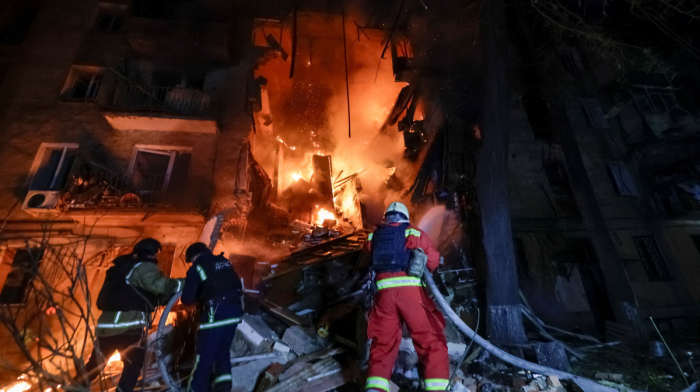
Israel’s Defence Minister Israel Katz has said the country’s military killed two of Iran’s most senior security figures in overnight airstrikes, as tensions across the Middle East continue to escalate.
When the current confrontation around Iran eventually fades into history, the real story for the South Caucasus may not be about missiles or military balances. It is likely to be about ports, railways and trade routes.
The European Union will send a team to Armenia to counter democratic threats ahead of its parliamentary elections in June.
You can download the AnewZ application from Play Store and the App Store.
What is your opinion on this topic?
Leave the first comment