Georgia is seeking closer economic ties with the United Arab Emirates (UAE) as it looks to strengthen its position as a key trade link between Central Asia and Europe amid growing competition over transport routes connecting the two regions.
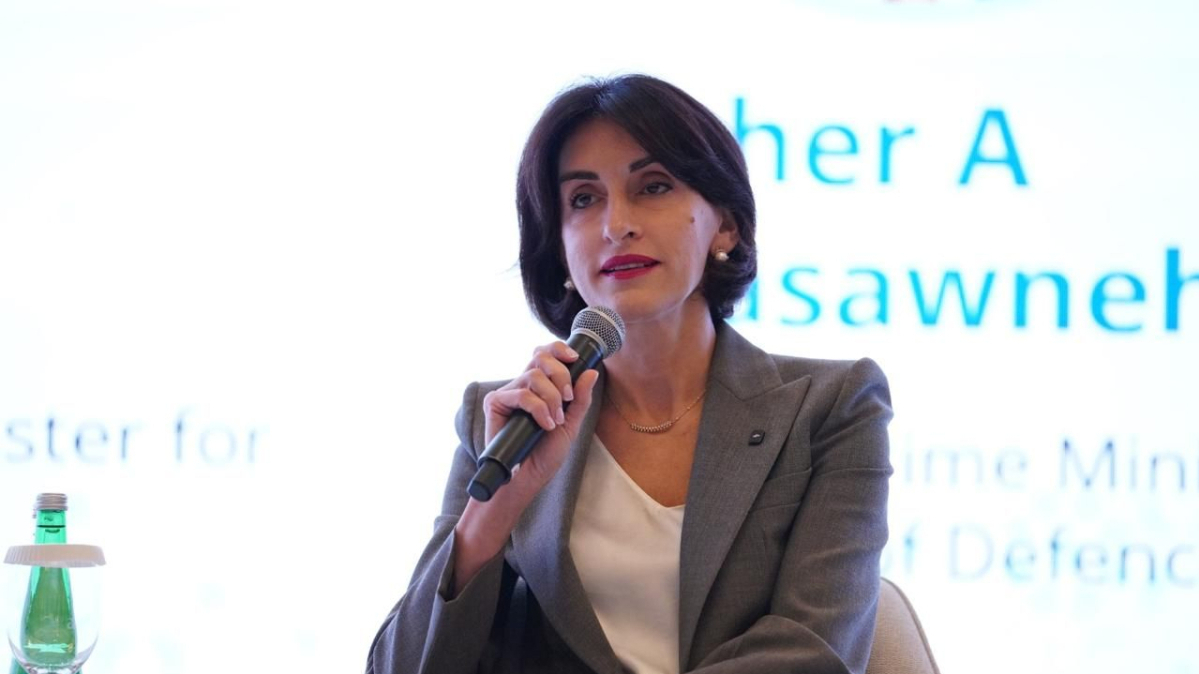
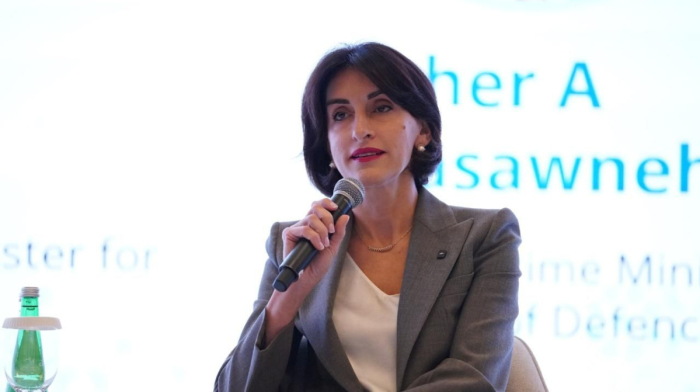
Georgia’s Vice-Prime Minister and Foreign Minister Maka Bochorishvili highlighted the country’s transit potential at the Raisina Middle East conference in Abu Dhabi, outlining opportunities to deepen economic cooperation with the UAE and develop the Middle Corridor trade route.
Speaking at a panel discussion titled “Sustainability, Partnership, and the Path Ahead: The Strategic Future of the Gulf Region,” Bochorishvili highlighted Georgia’s network of 16 free trade agreements, including those with the European Union, China and the UAE.
She said the country's strategic location and trade partnerships offered significant opportunities for regional cooperation, with Georgia-UAE relations extending well beyond bilateral ties.
UAE investment strengthens Middle Corridor links
Bochorishvili stressed Georgia’s importance as a gateway connecting Central Asia to European and global markets, identifying stronger East-West transport links as a priority for future cooperation.
The Middle Corridor stretches from China and Central Asia across the Caspian Sea, through Azerbaijan and Georgia, before reaching Europe via the Black Sea. It has gained prominence as countries look to diversify trade routes and strengthen connections between Asian and European markets.
The UAE already plays a significant role in Georgia’s logistics sector. Abu Dhabi-based AD Ports Group holds a 60 per cent stake in Tbilisi Dry Port, a rail-linked logistics facility connecting Georgia’s railway network with its Black Sea ports. The project is part of wider efforts to improve freight transport and boost trade along the Middle Corridor.
Economic ties have also been strengthened by the Georgia-UAE Comprehensive Economic Partnership Agreement, which came into force in June 2024. It aims to raise annual non-oil trade between the two countries from $481 million to $1.5 billion within five years.
Infrastructure investment key to Georgia's ambitions
Bochorishvili said Georgia, Azerbaijan and Türkiye had already laid the groundwork for stronger regional connectivity through major transport and energy projects. However, she acknowledged that conflicts following the collapse of the Soviet Union had prevented the South Caucasus from fully realising its potential as a regional transport hub.
The minister called for greater infrastructure investment, more diversified economic partnerships and stronger cooperation built on trust. She warned that relying too heavily on individual partners could undermine long-term economic sustainability.
Despite its strategic location and extensive trade agreements, Georgia still faces challenges in translating its geographic advantages into a competitive international transit network. Its long-term success will depend on expanding transport capacity, improving logistics efficiency and ensuring reliable connections across regional infrastructure.
Bochorishvili’s remarks in Abu Dhabi underline Georgia’s ambition to position itself as a vital link between Central Asia, the Gulf and Europe, with the Middle Corridor at the centre of its efforts to expand trade and attract investment.














What is your opinion on this topic?
Leave the first comment