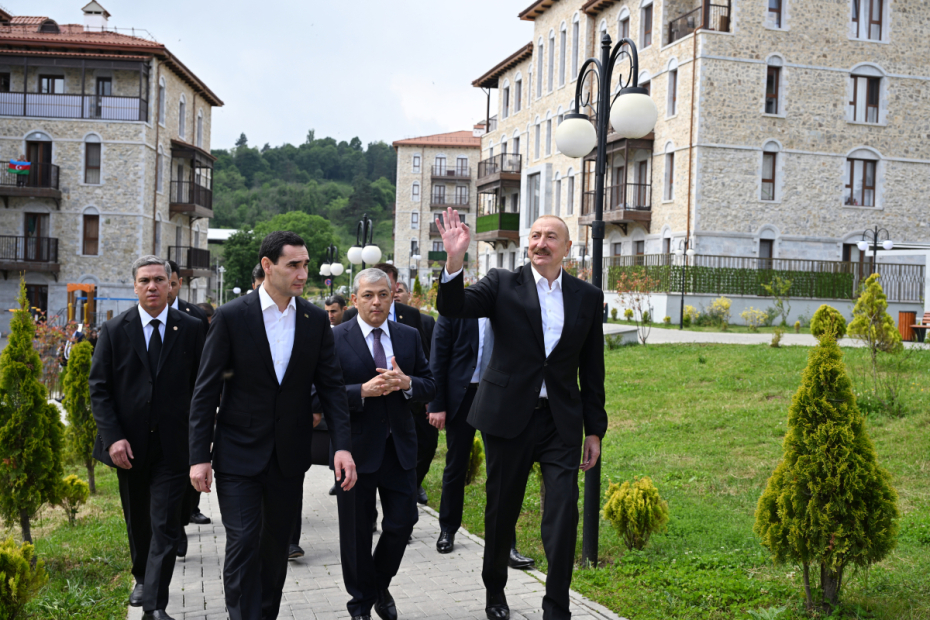
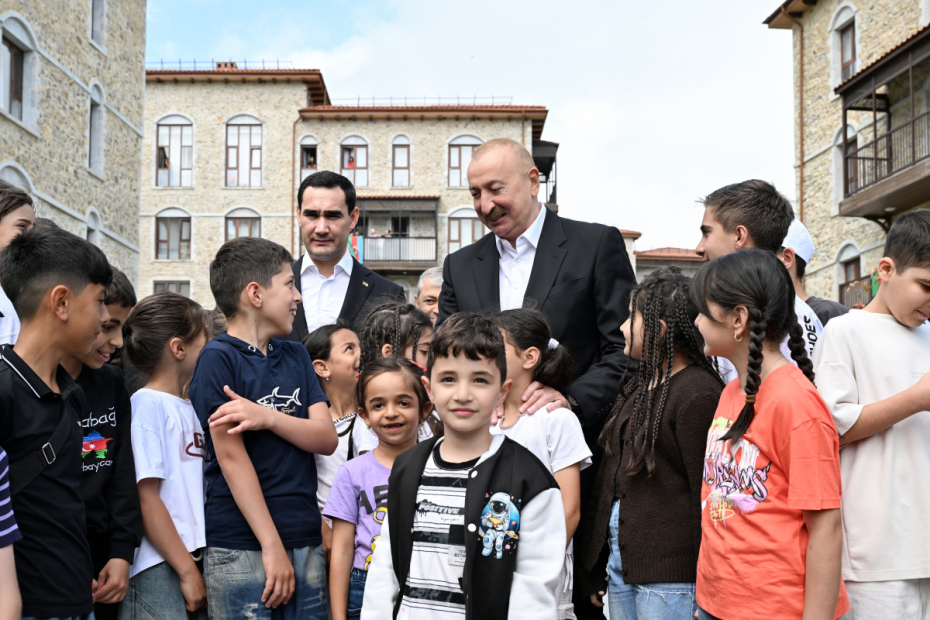
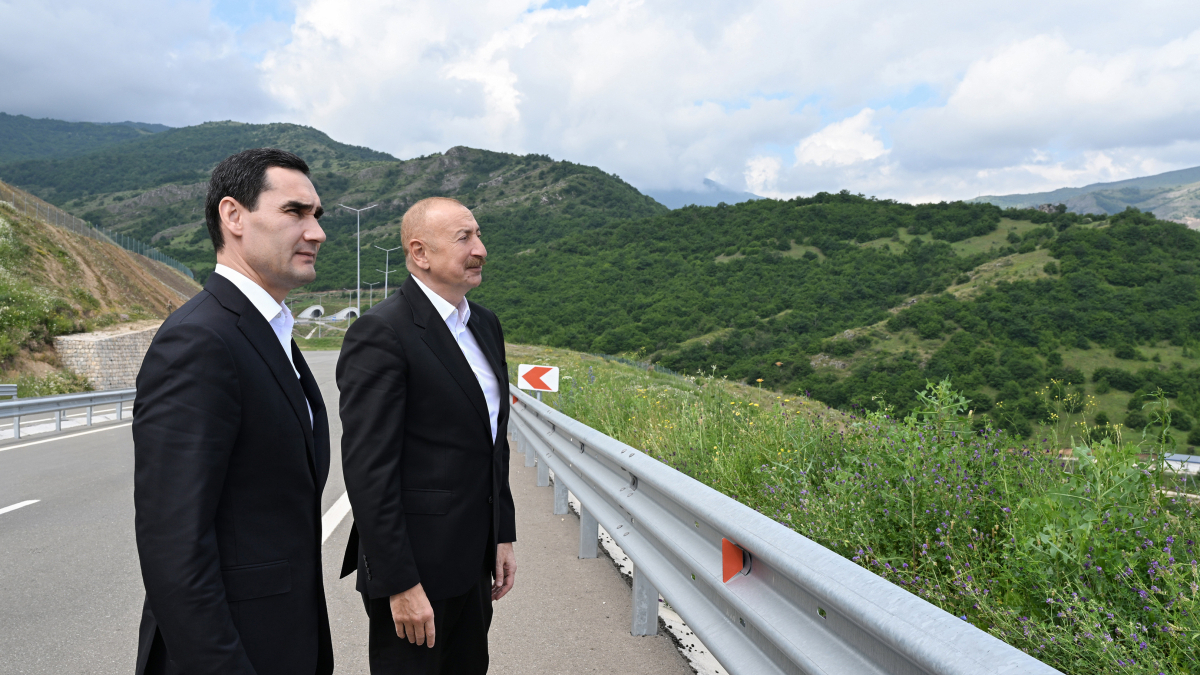
The visit also took on symbolic importance as the two leaders travelled to the liberated cities of Shusha and Fuzuli, areas Azerbaijan regained after decades of occupation.
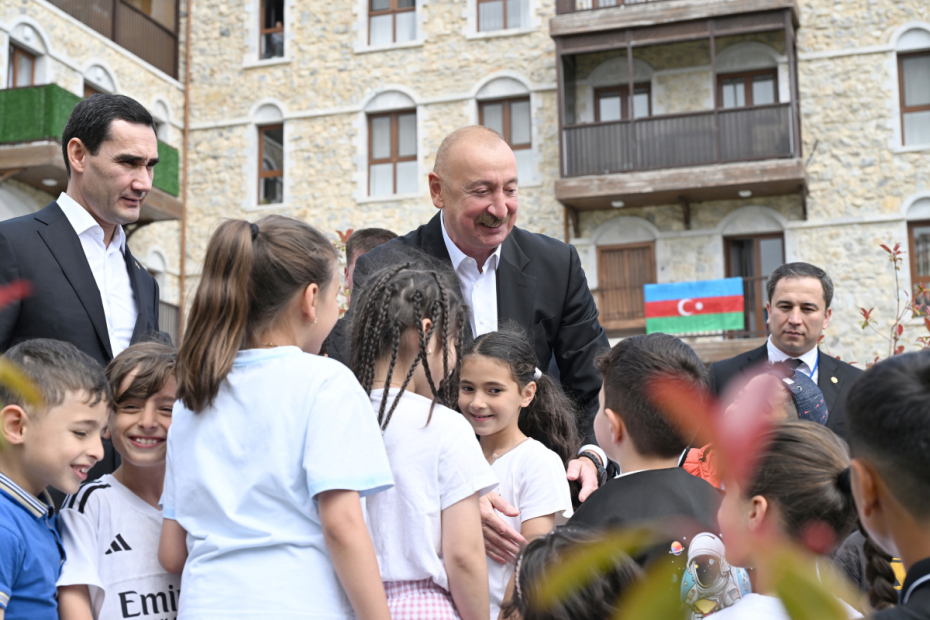
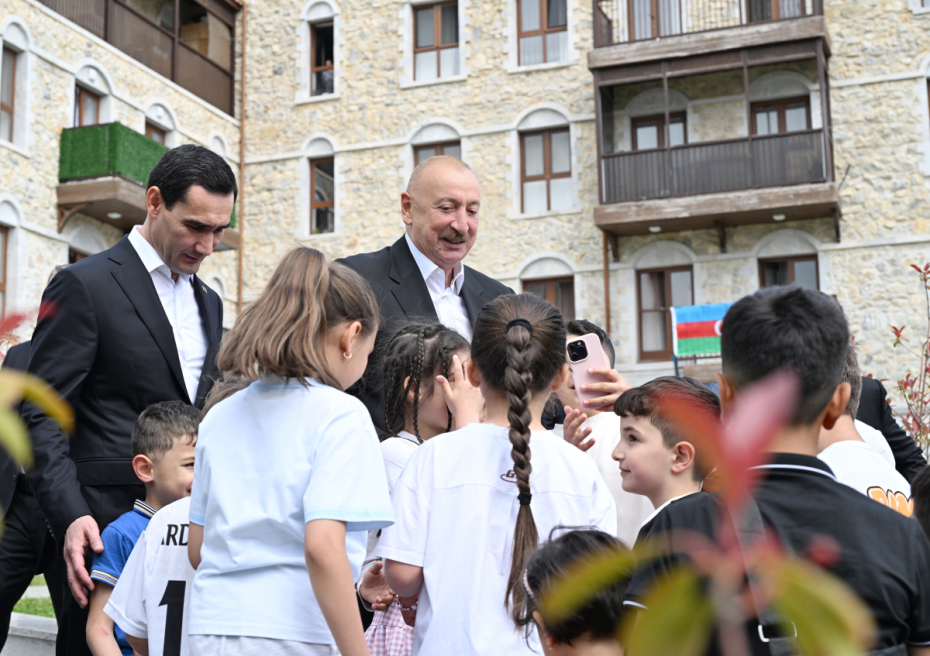
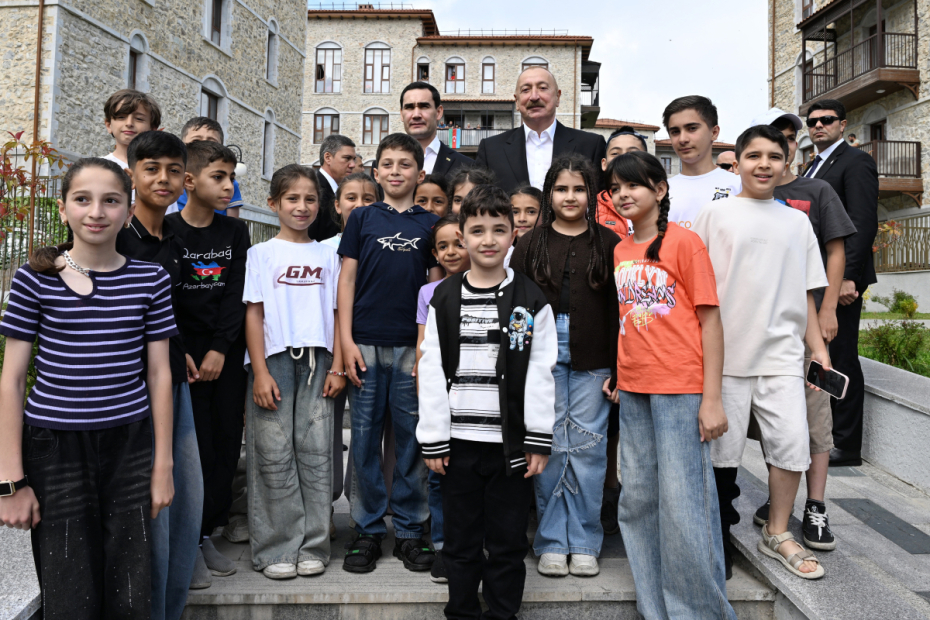
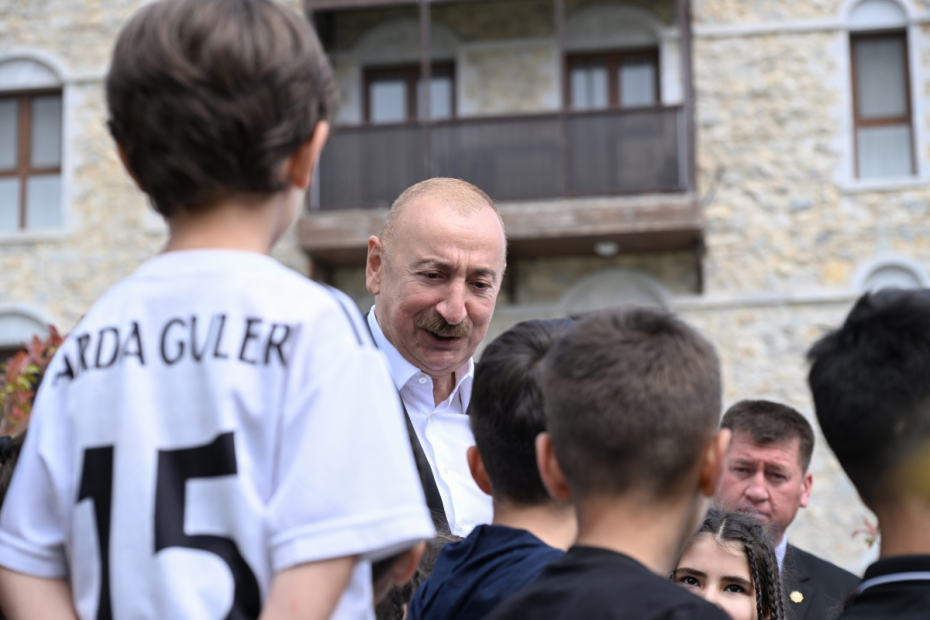
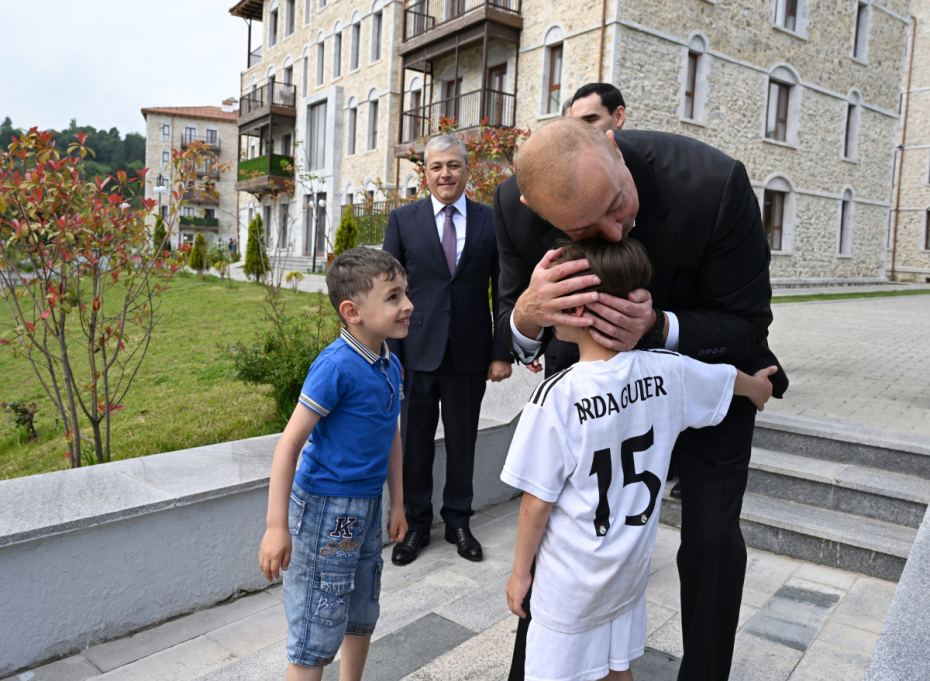
In Shusha, Presidents Ilham Aliyev and Serdar Berdimuhamedov also visited the city’s first newly built residential complex, a key project in its post-liberation redevelopment. The complex, constructed on nearly eight hectares, includes 23 buildings and 450 apartments of varying sizes.
Officials said the housing has been allocated to former internally displaced persons returning after years of displacement, as well as to public sector workers, highlighting efforts to restore normal life in the city. Landscaping, green spaces and modern amenities have been incorporated as part of the broader reconstruction plan.
In nearby Fuzuli, the leaders were shown sites devastated during the period of occupation, with Azerbaijani officials outlining large-scale reconstruction efforts underway following its liberation. Plans include transforming the city into a modern “Smart City” capable of housing up to 50,000 residents, alongside infrastructure projects aimed at strengthening its role as a regional transport and logistics hub.
Day 1: Ceremonies, energy and trade ties deepen
Azerbaijan’s President Ilham Aliyev plays host to Turkmenistan’s President Sardar Berdimuhamedov on a three-day visit to Baku, in what both sides described as a demonstration of strengthening “brotherly relations” between the two Caspian nations.
A guard of honour was lined up for President Berdimuhamedov at Heydar Aliyev International Airport, decorated with the flags of both nations. He was welcomed by Azerbaijan's First Deputy Prime Minister, Yagub Eyyubov, Deputy Foreign Minister Samir Sharifov and other officials, before holding talks with President Ilham Aliyev.
The two presidents signed a joint statement, and ministers also signed 12 agreements intended to deepen ties across economic, social, energy, transport and diplomatic fields. Specifically:
- Customs and trade data exchange
- Sport
- Labour and social protection
- Healthcare
- Food safety
- Industry, under a programme running from 2026 to 2028
- Energy
- Agriculture
- Central bank and finance cooperation
- Broader economic cooperation
- Foreign ministry cooperation, under a programme running from 2026 to 2029
A relationship built over time
This latest visit builds on a period of intensifying contact between Baku and Ashgabat. In July last year, Gurbanguly Berdimuhamedov, Serdar's father, who stepped down as president in 2022 but retained influence as Chairman of Turkmenistan's Halk Maslahaty, or People's Council, travelled to Baku for a three-day visit described by both governments as a display of "brotherly relations".
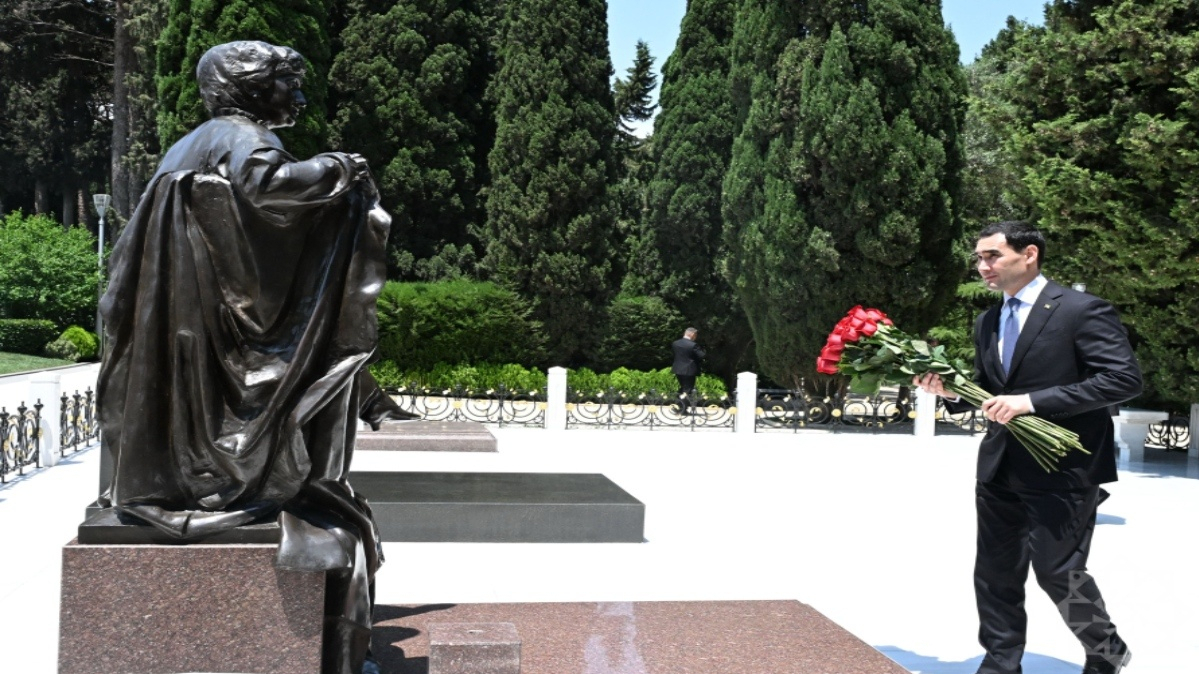
That trip, which followed an earlier visit by Turkmen Foreign Minister Rashid Meredov, centred on energy cooperation and saw the elder Berdimuhamedov lay wreaths at the graves of former president Heydar Aliyev and his wife, gestures widely read as symbolic of the continuity between the two countries' family-led leaderships.
Energy has long been the backbone of the relationship. In 2021, Azerbaijan and Turkmenistan signed a memorandum to jointly develop the Dostluk field in the Caspian Sea, known previously as Kepez to Baku and Sardar to Ashgabat. The field is estimated to hold around 30 billion cubic metres of gas and 50 to 100 million barrels of oil.
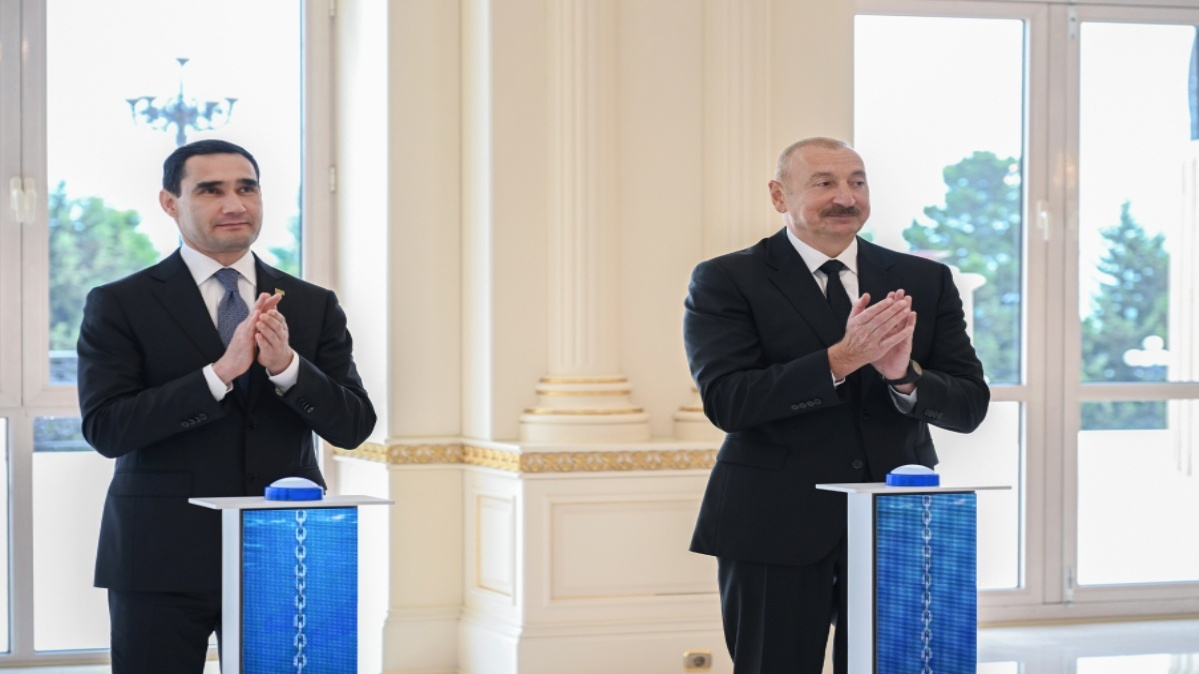
The field's name, meaning "friendship" in both Azeri and Turkmen, has since become shorthand for the wider partnership; Sardar's visit included an online ceremony marking the presentation of a tanker named "Dostlug".
Wider regional stakes
The Dostluk field has also been floated as a potential foundation for the long-discussed Trans-Caspian Gas Pipeline, which would allow Turkmen gas to reach Europe via Azerbaijan, offering an alternative to Russian supplies.
Progress on the pipeline has historically been stalled because of maritime boundary issues, though European efforts to diversify away from Russian energy since 2022 have strengthened interest in the project.
Trade links are also expanding. Increased traffic along the Middle Corridor, which connects China and Central Asia to Europe via the Caspian Sea and the South Caucasus, has encouraged greater use of the route between the ports of Baku and Turkmenbashi, helping both countries diversify their economies beyond hydrocarbons.









What is your opinion on this topic?
Leave the first comment