Britain has announced an additional £8 million ($11 million) to help Pakistan combat illegal migration, human trafficking and organised crime, while praising Islamabad's role in diplomacy that helped secure the recent U.S.-Iran agreement.
The funding was announced during a two-day visit to Islamabad by the British Parliamentary Under-Secretary of State for the Middle East, Afghanistan and Pakistan, Hamish Falconer.
"The news of a U.S.-Iran deal is a hugely significant moment," Falconer said. "Pakistan has played a critical role in brokering this opportunity for regional stability."
The remarks represent some of the strongest public recognition by a Western government of Pakistan's contribution to the diplomatic efforts that preceded the agreement between Washington and Tehran.
UK targets visa fraud, human smuggling and illegal migration
The new funding will focus on strengthening border and visa systems, improving identity verification and information-sharing, and helping Pakistani authorities dismantle people-smuggling and trafficking networks.
British officials said the programme would also support the return of individuals with no legal right to remain in the United Kingdom and fund community-based initiatives aimed at addressing the causes of irregular migration.
The package comes as Britain seeks to tighten migration controls and crack down on abuse of the asylum system.
A recent BBC investigation found evidence that some migrants from Pakistan and Bangladesh were allegedly being coached by advisers to submit fraudulent asylum claims, including fabricated evidence and false accounts of persecution. According to the report, people whose student, work or visitor visas had expired were among those seeking to remain in Britain through the asylum system.
During his visit, Falconer observed a UK-backed initiative that enables Pakistani authorities to identify travellers using fraudulent visas at airports before departure. He is also scheduled to hold discussions with Pakistan's Interior Ministry and Higher Education Commission on efforts to tackle visa abuse.
Security cooperation broadens
The visit also highlighted wider security cooperation between the two countries.
During meetings with Interior Minister Mohsin Naqvi, both sides agreed to expand collaboration on counter-terrorism, police training, institutional capacity-building and efforts to combat human smuggling.
Falconer also discussed tensions between Pakistan and Afghanistan. British officials said he encouraged dialogue between Islamabad and Kabul while offering UK support to address security threats emanating from Afghanistan.istan.
Pakistan seeks diplomatic gains
The British minister's visit comes as Pakistan seeks to translate its role in the Iran diplomacy into broader diplomatic influence.
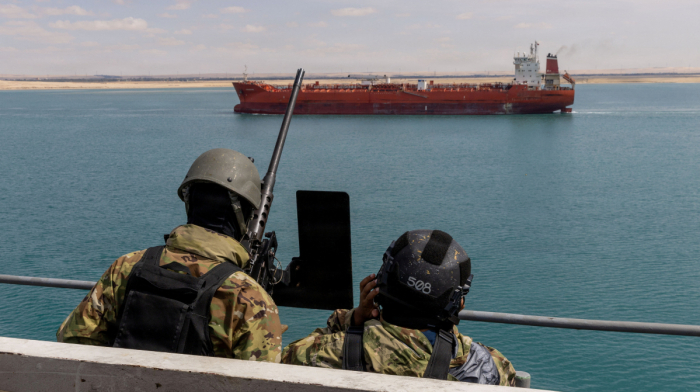
Alongside recognising Islamabad's mediation efforts, Falconer reaffirmed Britain's support for stability in the Middle East and efforts to safeguard freedom of navigation through the Strait of Hormuz, a vital route for global energy supplies.
For Pakistan, the visit delivered both symbolic and practical benefits: international recognition of its diplomatic outreach and new funding aimed at addressing migration and security challenges affecting both countries.















What is your opinion on this topic?
Leave the first comment