Documentary filmmaker Mikael Silkeberg has said that making a film exploring connections between Scandinavia and Azerbaijan helped him better understand his own mixed Nordic identity.
Outsider perspective shaped film
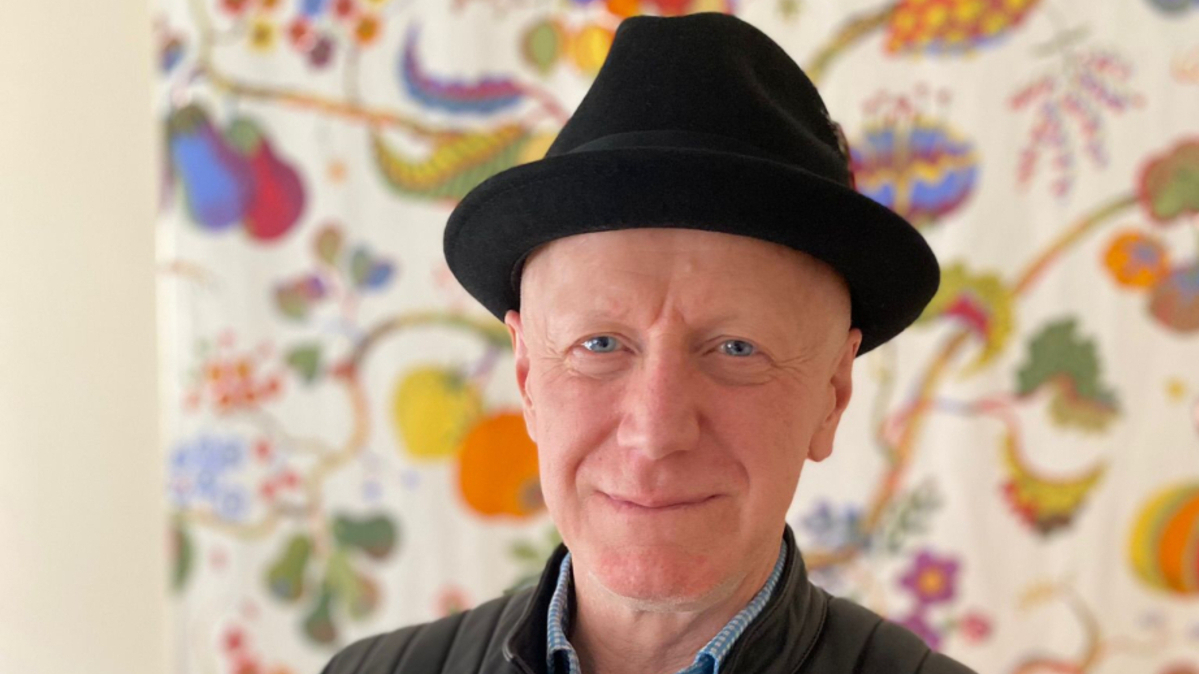
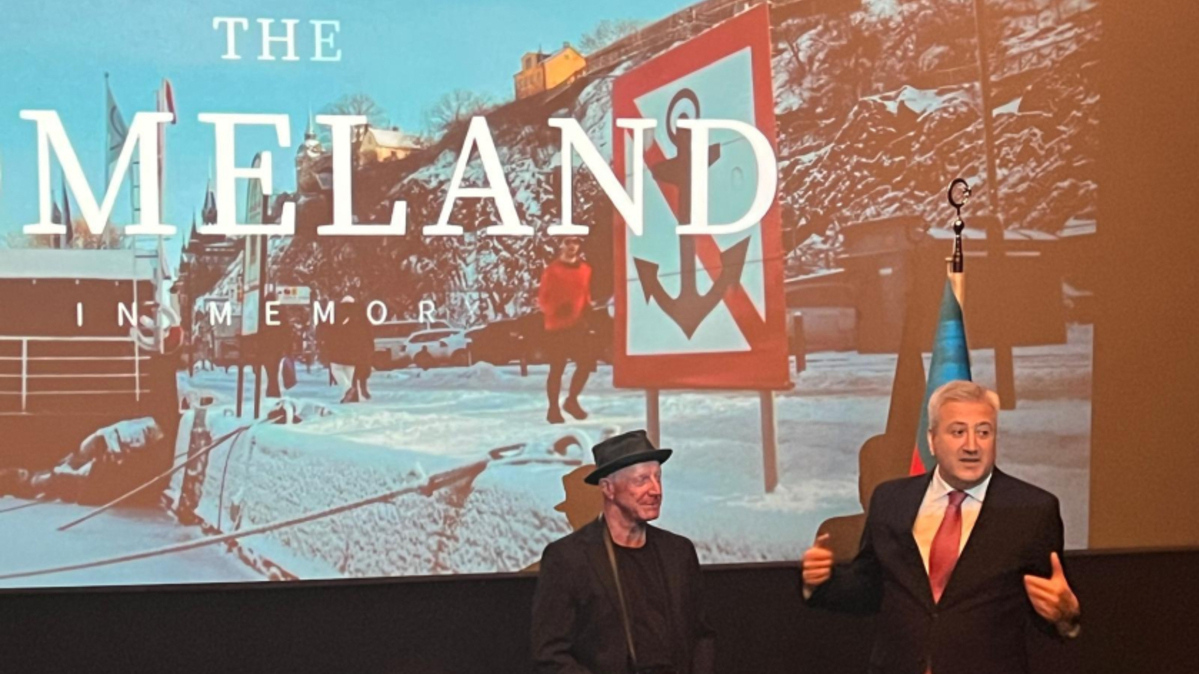
Mikael Silkeberg, a Swedish filmmaker who partly grew up in Denmark, told AnewZ's Nadia Gyane that his experience as an outsider informed his approach to his new film, The Homeland in Memory, which premiered in the Azerbaijani capital, Baku, on Tuesday.
"You know, they mocked me a lot in Denmark when I was growing up as a Swede. [...] And then having the weird identity of speaking broken Swedish when I go back to Sweden...
"Then I understood I will always be an outsider, but I would like to identify myself as a Swede, to the Swedish culture. For me, in a way, this movie was [a way] to discover my own culture and really understand what the different things mean."
The 55-minute documentary begins in the Swedish city of Uppsala, where Silkeberg examines a rare 17th-century manuscript, an early translation of the Gospels into Azerbaijani.
Tracing historical connections
The film then moves to Stockholm, where it explores the Nobel brothers' activities in Baku during the 19th century.
The Swedish Nobel siblings — Robert, Ludvig and Alfred — built an international oil empire in the Azerbaijani capital during the late 19th and early 20th centuries.
The documentary also briefly examines links between other 19th-century Scandinavian figures and the Caucasus before shifting eastwards to Western Azerbaijan.
Preserving cultural memory
There, Silkeberg explores how the region's cultural memory is sustained through traditions, including the art of Azerbaijani ashiqs.
This ancient syncretic folk art centres on a travelling minstrel who combines poetry, storytelling, theatre and dance.
The film also considers Azerbaijani carpets as historical archives, with their patterns, colours and compositions reflecting cultural beliefs and historical contexts.
Created with the support of Azerbaijan's Embassy in Sweden, the documentary was first screened at Stockholm's Filmstaden Sergel cinema in May.
Zaur Ahmadov, Azerbaijan's Ambassador to Sweden, said the film explored "how memory preserves identity beyond geography".
"At its core, the film presents Western Azerbaijan as a cultural landscape sustained through memory, a world of places, traditions, and meanings carried across generations."



















What is your opinion on this topic?
Leave the first comment