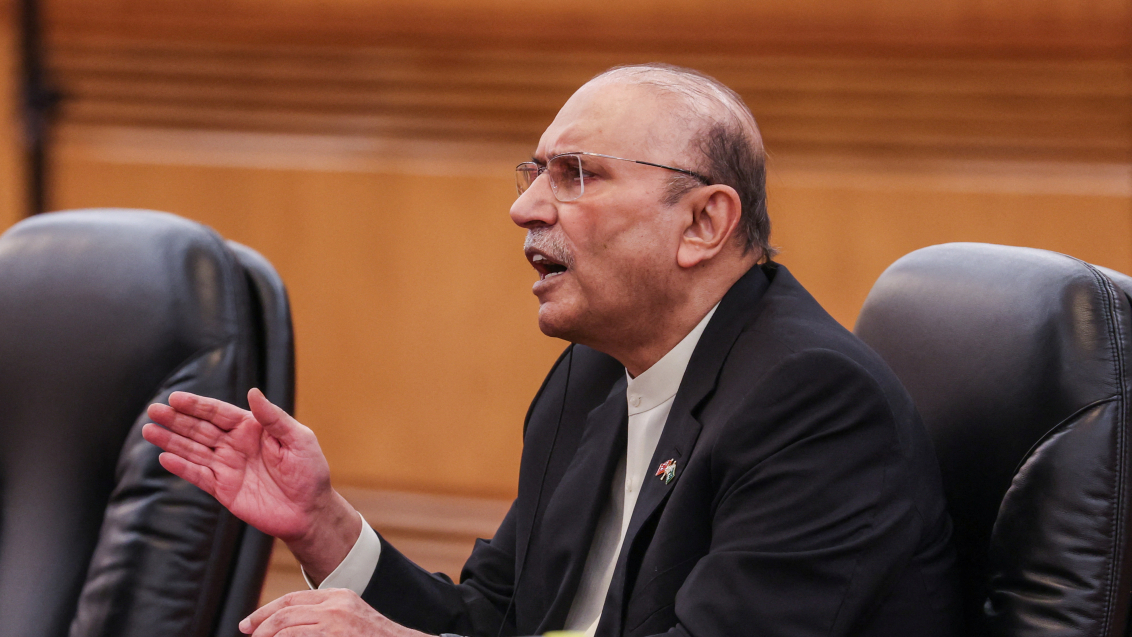
Pakistan’s President Asif Ali Zardari has accused Afghanistan’s authorities of fostering conditions “similar to or worse than pre-9/11”, as tensions between the two neighbours intensify amid a surge in militant attacks inside Pakistan.
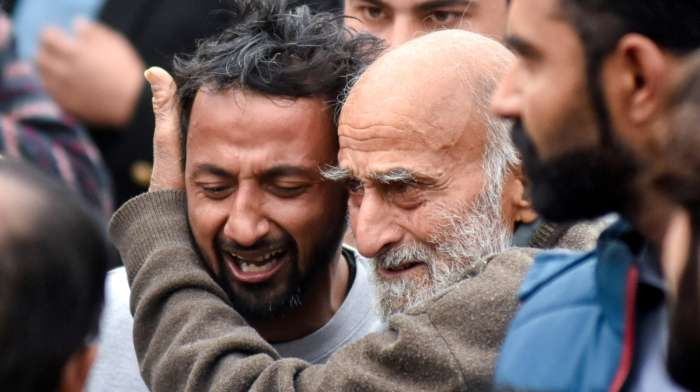
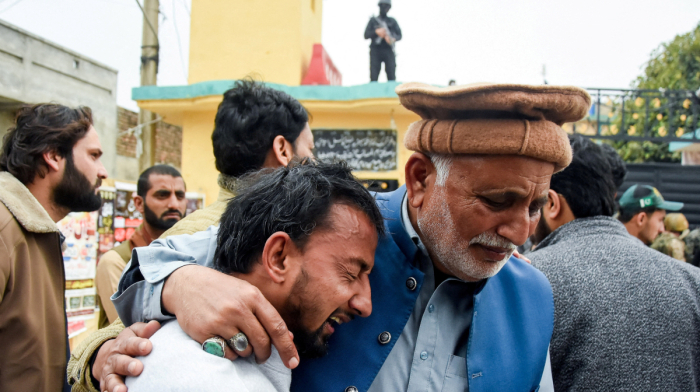
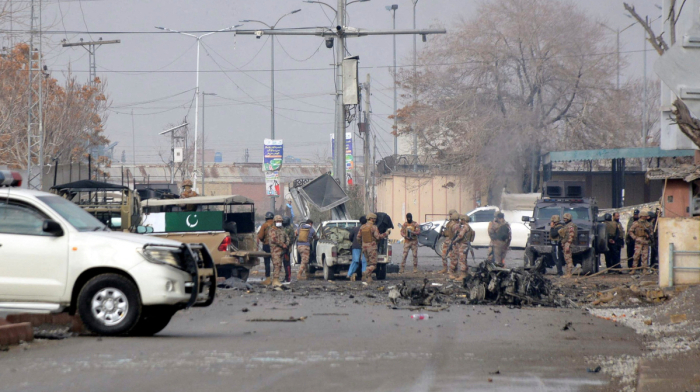
In a statement on Sunday, Zardari thanked world leaders for their support following an attack on a Shia centre for preaching Islam - or imambargah - in Islamabad that killed 36 people and injured more than 160. The militant group Islamic State (IS) claimed responsibility.
Summarising his message of solidarity and warning, the president said the fight against terrorism was a global responsibility, adding, “Pakistan has long maintained that terrorism cannot be confronted by a single country in isolation.”
He said Pakistan’s experience showed that when “terrorist groups are allowed space, facilitation or impunity beyond national borders, the consequences are borne by innocent civilians all over the world.”
Threat to global peace
Without naming specific countries in some parts of the statement, he said certain neighbours had “become partners in crime” by allowing militants to operate from their soil. Referring directly to Afghanistan, he said Pakistan “takes strong exception to the situation ... where the Taliban regime has created conditions similar to or worse than pre-9/11, when terror organisations posed threats to global peace.”
Zardari also accused India of “assisting the Taliban regime and threatening not only Pakistan but regional and global peace.”
Islamabad has repeatedly said armed groups are using Afghan territory to carry out attacks inside Pakistan, a claim the authorities in Kabul deny.
Responding indirectly to such criticism, Afghanistan’s Deputy Prime Minister for Economic Affairs, Abdul Ghani Baradar, said on Sunday that the country would not be intimidated.
Summarising his remarks at a gathering at the Ministry of Defence, he said Afghanistan did not seek conflict, adding, “Afghanistan is not a soft morsel, but a Zaqqum tree” and “cannot be digested by ‘newborn’ children.”
Baradar added that Afghanistan “has harmed no one and does not want to be harmed by anyone,” saying current policies were based on “Islamic law” rather than deception.
The exchange comes amid months of strained relations, cross-border incidents and a rise in attacks inside Pakistan, which Islamabad attributes to militant groups operating from Afghan territory.




















What is your opinion on this topic?
Leave the first comment