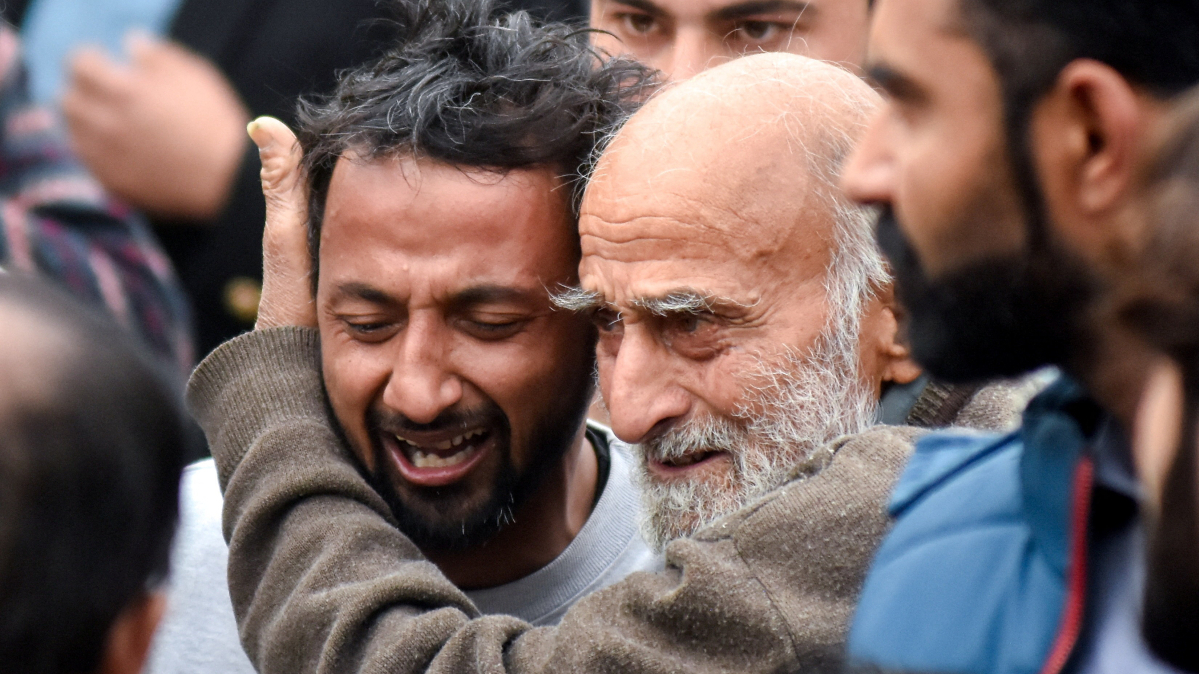
At least 31 people have been killed and scores wounded in a suicide bombing at a mosque in Pakistan’s capital, Islamabad, during Friday prayers, prompting widespread international condemnation.
Pakistani authorities said the attacker struck as worshippers gathered, injuring more than 170 people.
Pakistan’s Defence Minister Khawaja Asif alleged involvement by India and Afghanistan, claims that were swiftly rejected by both countries.
Kabul and New Delhi also condemned the attack and offered condolences to the victims and their families.
Regional leaders were among the first to respond. Kazakhstan’s President Kassym-Jomart Tokayev and Uzbekistan’s President Shavkat Mirziyoyev conveyed condolences to Pakistani President Asif Ali Zardari and Prime Minister Shehbaz Sharif, according to official statements.
Azerbaijan’s Foreign Minister Jeyhun Bayramov and Pakistan’s Deputy Prime Minister and Foreign Minister Muhammad Ishaq Dar also spoke by phone. Bayramov conveyed condolences on behalf of Azerbaijan’s president, government and people, and expressed solidarity with Pakistan.
Dar condemned the attack and reaffirmed Pakistan’s commitment to combating terrorism.
Russian President Vladimir Putin described the bombing as “barbaric”, extending condolences to Pakistan’s leadership and the families of the victims. He said Russia was ready to support Pakistan in counterterrorism efforts, according to the Kremlin.
China’s embassy in Islamabad said Beijing stood “firmly with our Pakistani brothers and sisters in this difficult time”, expressing condolences in a message on the U.S. social media platform X.
Türkiye’s foreign ministry condemned the attack and expressed solidarity with Pakistan in its fight against terrorism, in a statement posted on Turkish social media platform NSosyal.
Iran’s foreign ministry spokesperson Esmail Baqaei said preventing and combating terrorism required “the cooperation and coordination of all countries in the region”, alongside sustained efforts to confront its perpetrators, organisers, supporters and financial backers.
Saudi Arabia and Qatar also condemned the bombing, with their foreign ministries voicing firm opposition to violence against places of worship in separate messages on X.
Somalia’s foreign ministry similarly condemned “violence against civilians and places of worship”.
The United Nations Secretary-General Antonio Guterres condemned the attack in the “strongest terms”, saying assaults on civilians and religious sites were “unacceptable”, according to his spokesperson.
European leaders and diplomats also reacted. The French embassy in Pakistan said, “We stand with Pakistan in opposing all forms of terrorism”. German Ambassador to Pakistan Ina Lepel said she hoped those responsible would be found and “brought to justice”, adding, “We mourn the loss of life”.
UK Foreign Secretary Yvette Cooper said Britain “stands with Pakistan in the fight against terrorism and in support of all communities affected by such senseless violence”.
Canadian Prime Minister Mark Carney said he was “horrified” by the attack and that Canadians were keeping the people of Pakistan, the victims, the wounded and their loved ones “in our thoughts today”.
Australian High Commissioner to Pakistan Timothy Kane said Australia stood with Pakistan during the difficult time and mourned alongside the country.
The U.S. Chargé d’Affaires Natalie A. Baker said the people of Pakistan “deserve safety, dignity, and the ability to practise their faith without fear”, adding that Washington remained committed to supporting Pakistan’s efforts to advance peace, security and regional stability.














What is your opinion on this topic?
Leave the first comment